

As an Amazon Associate, we earn from qualifying purchases. This post contains affiliate links – if you buy through them, we may earn a commission at no extra cost to you.
Choosing the best dog food for labrador retriever puppies involves balancing growth rates, joint support, and the specific energy needs of this active breed. Labs are famous for their appetite, so the shape and density of the kibble often matter as much as the ingredients themselves. You should focus on formulas that manage bone development while fueling their high energy levels. Whether you prioritize breed-specific design or broad nutritional density, the right choice depends on your puppy’s current growth stage and activity. For most owners, the choice splits between the specialized shape of Royal Canin Labrador Puppy or the high-protein, large-breed focus of Purina Pro Plan Large Breed.
1. ROYAL CANIN Labrador Retriever Puppy Dry Dog Food

Best for: Owners who want a kibble shape that slows down fast eaters.
This formula is built specifically for the Labrador Retriever, addressing their unique tendency to eat quickly. The donut-shaped kibble encourages chewing, which helps manage their fast-eating habits during meals.
Growth support is central here, with antioxidants and vitamin E included to help a young immune system stay strong. The recipe also balances calcium and phosphorus to support the bone and joint development that large, growing Labs need. It isn’t for owners seeking a grain-free option, as this formula uses specific grains to support its nutritional profile.
Good if:
- Your puppy eats their food too fast.
- You prefer a breed-specific nutritional approach.
- You want support for healthy stool quality.
Skip it if:
- You’re looking for a grain-free recipe.
- Your puppy prefers small, bite-sized pieces.
2. Purina Pro Plan Large Breed Dry Puppy Food

Best for: Large breed puppies needing a steady, controlled growth rate.
This food focuses on the unique needs of large-breed puppies, providing a formula that supports appropriate growth rather than just rapid weight gain. It features real chicken as the first ingredient to provide high-quality protein for muscle development.
Joint health is supported through the addition of glucosamine, which is helpful for active puppies as they grow. The inclusion of DHA from fish oil is intended to nourish brain and vision development. It isn’t for owners who want a recipe with a limited or exotic protein source, as it relies on chicken.
Good if:
- You need a proven large-breed growth formula.
- You want to prioritize brain and vision development.
- Your puppy thrives on a chicken-based diet.
Skip it if:
- Your puppy has a known sensitivity to chicken.
- You prefer a formula with varied protein sources.
3. Best Breed Dr. Gary’s Retriever Recipe

Best for: Active field-bred Labradors with high energy output.
Developed by a veterinarian, this recipe is designed specifically for retrievers that burn calories at a high rate. The 28% protein content comes from antibiotic-free chicken, aiming to sustain muscle maintenance and high physical performance.
It includes New Zealand Green-Lipped Sea Mussel, which acts as a natural source of glucosamine and chondroitin for joint and connective tissue support. Taurine is added for heart health, which is a specific focus of this veterinarian-developed line. It isn’t for puppies who are less active, as the energy density is tailored for dogs that stay busy in the field.
Good if:
- Your puppy is highly active or field-bred.
- You want a formula with taurine for heart health.
- You prefer a slow-cooked, small-batch manufacturing process.
Skip it if:
- Your puppy isn’t highly active.
- You prefer a larger, mass-market brand availability.
4. VICTOR Hi-Pro Plus Dry Dog Food

Best for: Puppies needing high nutrient density for maximum potential.
This formula is built around the VPRO Blend, a mix of five ingredients designed to support a puppy regardless of their specific genetic needs. It uses real chicken as the first ingredient and includes DHA for brain and vision development.
The recipe is free from corn, wheat, and soy. It includes prebiotics and probiotics to establish a healthy gut, which is vital for a growing puppy’s digestion. It isn’t for owners who prefer a recipe with a lower protein concentration, as this is a high-density formula.
Good if:
- You want a gluten-free grain option.
- You prefer a formula with added probiotics.
- Your puppy needs high-density nutrition.
Skip it if:
- You prefer a lower protein percentage.
- You aren’t looking for a high-performance formula.
5. Blue Buffalo Life Protection Formula Chicken Large Puppy Dog Food

Best for: Owners wanting natural ingredients and added antioxidant protection.
This formula centers on real chicken as the first ingredient to support muscle growth. A standout feature is the LifeSource Bits, a blend of antioxidants, vitamins, and minerals that are cold-formed to keep their potency intact during the cooking process.
The recipe uses wholesome grains to provide energy and support gentle digestion. It also includes DHA and ARA, fatty acids found in mother’s milk, to support brain and eye development. It isn’t for owners who want a recipe without grains, as this formula specifically includes them for balanced nutrition.
Good if:
- You prioritize natural ingredients and antioxidants.
- You want specific support for brain and eye health.
- Your puppy has sensitive digestion.
Skip it if:
- You prefer a grain-free diet.
- You want a formula without added “bits.”
6. Hill’s Science Diet Puppy Large Breed Dry Dog Food

Best for: Owners who prioritize veterinarian-recommended, science-backed nutrition.
As a brand frequently recommended by veterinarians, this formula focuses on balanced minerals to support the bones and teeth of large-breed puppies. It uses high-quality proteins to fuel lean muscle growth during the most important development months.
The antioxidant blend is designed to support the immune system, while fish oil provides DHA for brain and eye health. It isn’t for owners who want a formula with non-traditional or novel protein sources, as it sticks to a standard, science-supported chicken and grain profile.
Good if:
- You want a brand widely trusted by vets.
- You need a standard, reliable growth formula.
- You prioritize bone and joint mineral balance.
Skip it if:
- You’re looking for a unique or limited-ingredient diet.
- You want a high-protein, performance-oriented formula.
7. The Honest Kitchen Puppy Whole Grain Chicken & Superfoods Whole
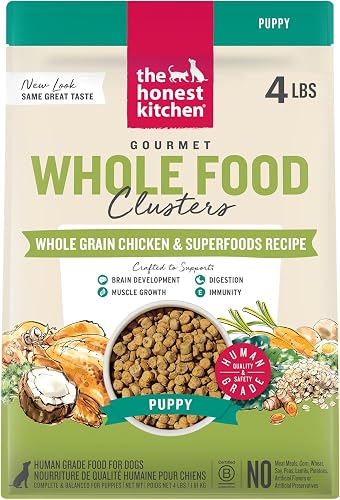
Best for: Owners who demand human-grade quality in their dog’s food.
These clusters are made using a cold-pressed and roasted process. The number one ingredient is cage-free chicken, and it’s free from meat meals or by-products.
Because the ingredients meet human-grade standards, it’s a clean option for puppies with sensitive systems. The bite-sized clusters also function well as training treats, adding versatility to the bag. It isn’t for owners who want a traditional, dry kibble, as the texture and manufacturing method are distinct.
Good if:
- You want human-grade ingredient standards.
- You prefer a formula without meat meals.
- You need a food that doubles as training treats.
Skip it if:
- You prefer traditional extruded kibble.
- You’re on a strict budget for large-volume feeding.
8. Diamond Naturals Large Breed Puppy Dry Dog Food
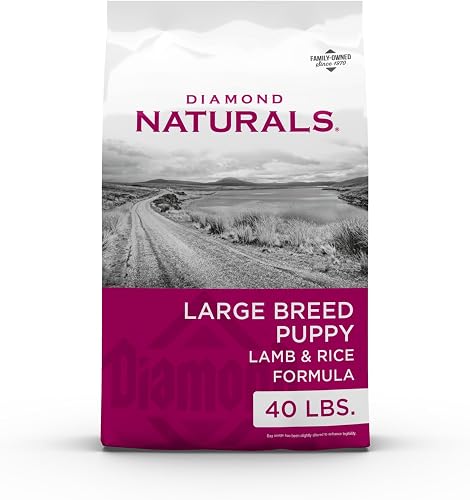
Best for: Puppies that need a lamb-based protein source.
This formula stands out by using pasture-raised lamb as the first ingredient, which is a great alternative for puppies that don’t do well with chicken. It’s specifically formulated with protein and mineral levels that suit the growth requirements of large breeds.
The recipe is straightforward, focusing on the basics of growth without unnecessary fillers. It isn’t for owners who want a formula with a wide array of extra supplements or probiotics, as this is a more basic, ingredient-focused food.
Good if:
- Your puppy needs a lamb-based diet.
- You want a clean, ingredient-focused formula.
- You prefer a large-bag option for convenience.
Skip it if:
- You want a formula with advanced probiotic blends.
- You prefer a chicken-based protein source.
9. Purina ONE Plus Large Breed High Protein Puppy Food

Best for: Owners who want high protein in an accessible formula.
This formula provides high protein content to support growing muscles and heart health. It includes DHA to help with brain and vision development, along with glucosamine to support joint health in large breeds.
The food features a mix of crunchy bites and tender morsels, which can help with palatability for picky eaters. It isn’t for owners who prefer a completely grain-free option or those looking for a premium, boutique-brand manufacturing process.
Good if:
- You want high protein for muscle growth.
- Your puppy likes a mix of crunchy and tender textures.
- You want wide availability and trusted standards.
Skip it if:
- You prefer a boutique or holistic-brand philosophy.
- You’re looking for a grain-free recipe.
10. IAMS Proactive Health Large Breed Puppy Dry Dog Food

Best for: Owners who want a scientifically designed, proactive approach.
This recipe uses chicken as the first ingredient and focuses on the “Proactive 5” health benefits, which cover key areas like immunity, muscle growth, and joint health. It includes Omega-3 DHA to support brain development and trainability.
The levels of calcium are specifically optimized for large-breed bone development, helping to manage their growth rate. It isn’t for owners who want a recipe with exotic ingredients or a wide variety of superfoods, as this is a functional, science-first formula.
Good if:
- You want a formula designed for specific health outcomes.
- You prioritize scientifically measured nutrient levels.
- Your puppy needs support for trainability and brain health.
Skip it if:
- You’re looking for a superfood-heavy recipe.
- You prefer a novel protein source.
Where These Overlap
Many of these formulas, such as Purina Pro Plan Large Breed, Hill’s Science Diet Large, and IAMS Proactive Large Breed, occupy a similar space. They’re all scientifically formulated by major brands to support the specific growth rates of large breeds. If your puppy is doing well on one, switching to another in this group is often seamless because they share similar goals: DHA for brains, glucosamine for joints, and balanced minerals for bones. The real difference usually comes down to the primary protein source—chicken versus lamb—or the inclusion of specific supplements like probiotics. If your dog has no allergies, the choice between these three often comes down to which one your puppy finds most palatable.
Still Not Sure?
How often will I really use this?
Since you’re feeding a growing Labrador puppy, this will be your primary expense and your dog’s main source of fuel for over a year. You need a formula that’s consistent and easy to source locally or via subscription. If you want a brand you can find almost anywhere, look at Purina Pro Plan Large Breed.
What do I already own that this has to work with?
If you already use a specific type of training treat, check the ingredients. If your treats are already chicken-based, you might want to consider a lamb-based food like Diamond Naturals Large Breed to provide a better balance of protein sources in your puppy’s total daily intake.
What am I most likely to regret choosing?
The most common regret is choosing a formula based on marketing rather than your puppy’s specific needs. If your puppy is a fast eater, you’ll regret buying a standard kibble that they gulp down in seconds. For that specific habit, the donut shape of Royal Canin Labrador Puppy is a deliberate design choice that prevents digestive upset.
The choice for your Labrador puppy usually comes down to whether you prefer a breed-specific design, such as Royal Canin Labrador Puppy, or a high-protein, large-breed focused formula like Purina Pro Plan Large Breed. The Association of American Feed Control Officials provides the standard for what constitutes complete and balanced nutrition, which helps ensure that whichever major brand you select meets the baseline for your puppy’s health. Start with a smaller bag to ensure your puppy enjoys the taste and digests it well before committing to a larger supply.
Related guides
Frequently Asked Questions
Does my Labrador puppy need grain-free food?
No, most experts don’t recommend grain-free diets for puppies unless a veterinarian identifies a specific allergy. Most of the top-rated formulas here, including Blue Buffalo Large Puppy and Royal Canin Labrador Puppy, use wholesome grains to provide steady energy and digestive fiber which are vital for a growing, active breed.
When should I switch from puppy to adult food?
You should generally switch your Labrador to adult food between 12 and 15 months of age. Because Labs are a large breed, feeding them a puppy formula for too long can lead to excessive weight gain, while switching too early can deprive them of the calcium needed for bone development.
How much should I feed my Labrador puppy?
Feeding amounts vary based on the specific caloric density of the brand you choose and your puppy’s current weight. Always follow the guidelines on the back of the bag as a starting point, but adjust based on your puppy’s body condition score, as Labs are prone to overeating and obesity.
Can I mix different brands of puppy food?
It’s generally better to stick to one consistent brand to keep their digestion stable. If you must switch, do it slowly over a week or more by mixing the new food with the old, gradually increasing the amount of the new food to prevent stomach upset or loose stools.
Conclusion
Transitioning your pup to a new diet shouldn’t be rushed, so mix in the fresh food gradually over a week to keep their tummy happy. Keep a close eye on their weight as they grow, and you’ll have a healthy, energetic companion by your side for many years to come.