
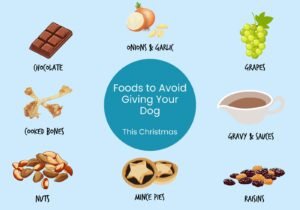
Providing proper dog food is essential for your pet, and the best advice centers on picking balanced, age-appropriate nutrition while avoiding harmful human scraps.
Comparing common feeding habits
| What most people do | What to do instead | Why it matters |
|---|---|---|
| Feeding table scraps | Feeding only dog-safe food | Prevents toxic ingestion risks |
| Guessing portion sizes | Measuring with a cup | Stops long-term weight gain |
| Mixing brands daily | Keeping a consistent diet | Reduces risk of stomach upset |
| Buying based on price | Checking the ingredient label | Ensures meeting nutritional needs |
| Free-feeding all day | Feeding at set times | Helps track appetite changes |
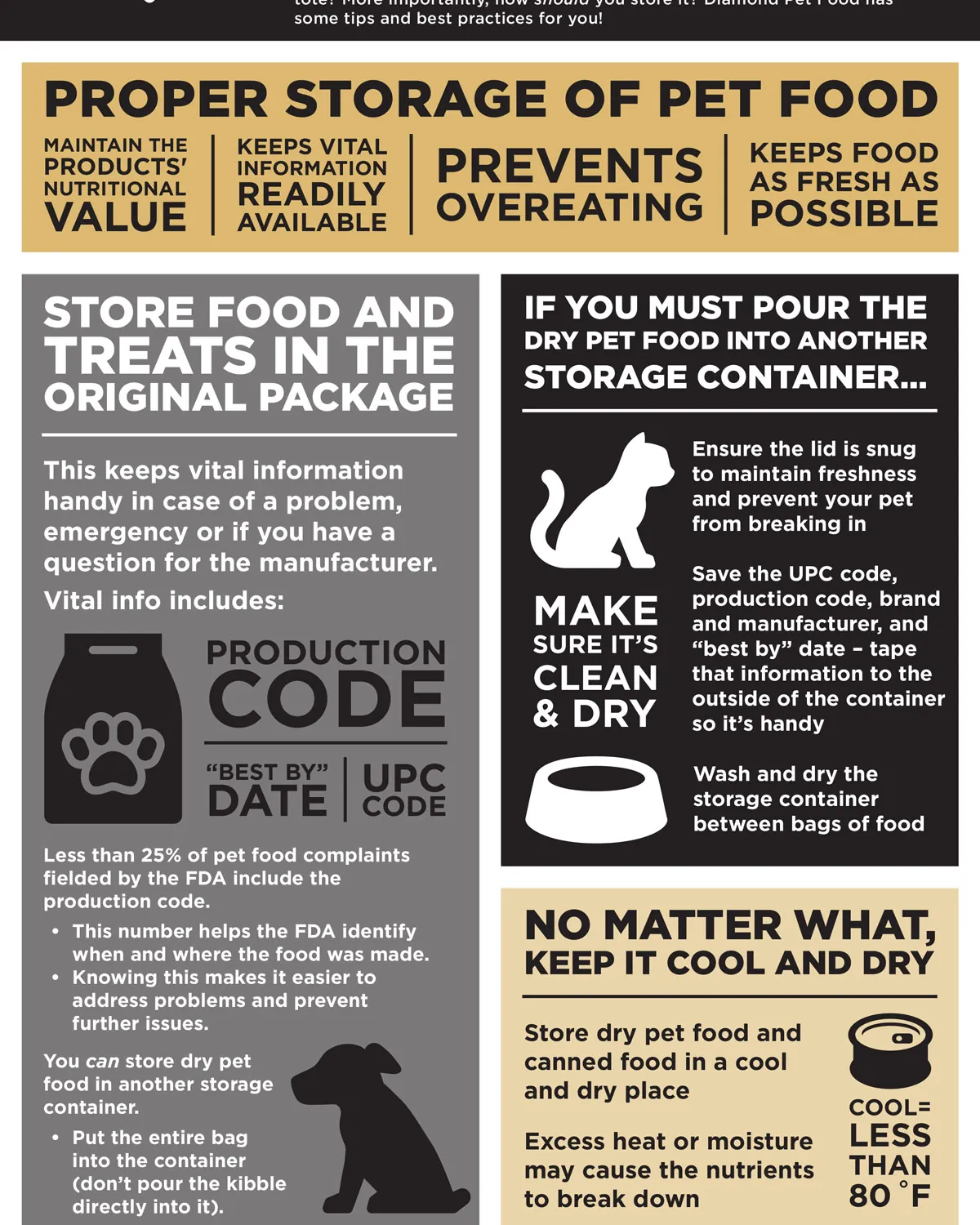
| Ignoring expiration dates | Checking the printed date | Avoids feeding spoiled ingredients |
Prioritize balanced nutrition over trends
Most owners want the best for their pets, but following online trends can lead to missing essential vitamins. You should look for a statement on the packaging from the Association of American Feed Control Officials confirming the product meets nutritional standards for your pet’s specific life stage. If the label doesn’t have this, the food may lack the balance a growing puppy or an aging dog requires.
People often make the mistake of choosing food solely based on the first ingredient listed. This is a mistake because a meat source might contain high water weight, which disappears during processing. Instead, look for a guaranteed analysis on the bag. This section tells you the exact percentage of protein, fat, and fiber, which is a much better way to judge the quality of the meal you’re serving.
Manage portions to prevent obesity
You should never eyeball the amount of food you put in the bowl. Even small extras can add up to significant weight gain over a month. If you’re using a standard measuring cup, stick to it for every meal. If your dog is a small breed, even a 10-gram error per meal can represent a large portion of their daily calorie needs.
Always adjust the amount based on your dog’s activity level and age. If your dog is currently at a healthy weight, keep the amount the same. If you notice they’re gaining weight, reduce the portion by about 10% and monitor their body condition over two weeks. If they’re still gaining, consult your vet to rule out medical issues before cutting more calories.
Avoid dangerous human foods
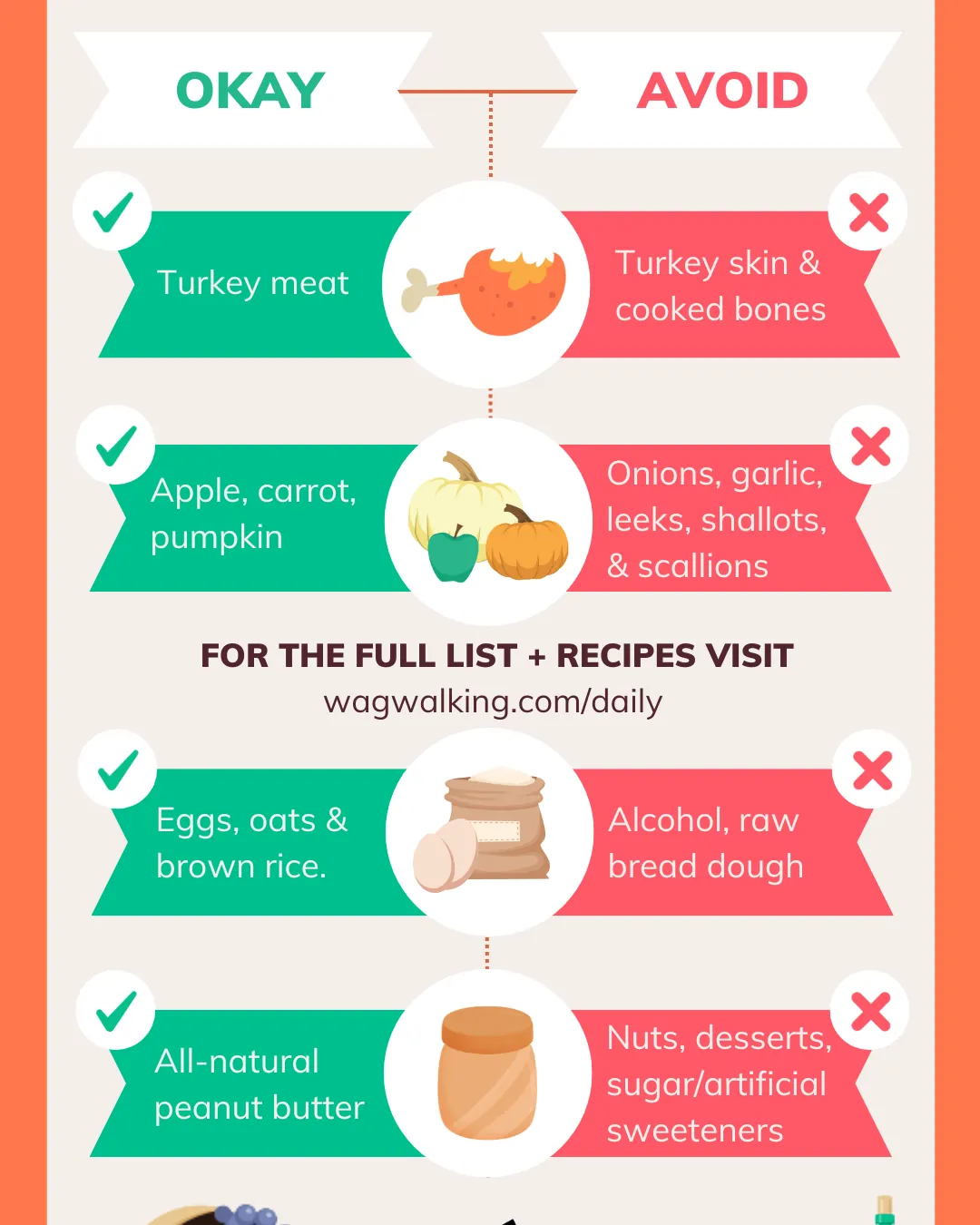
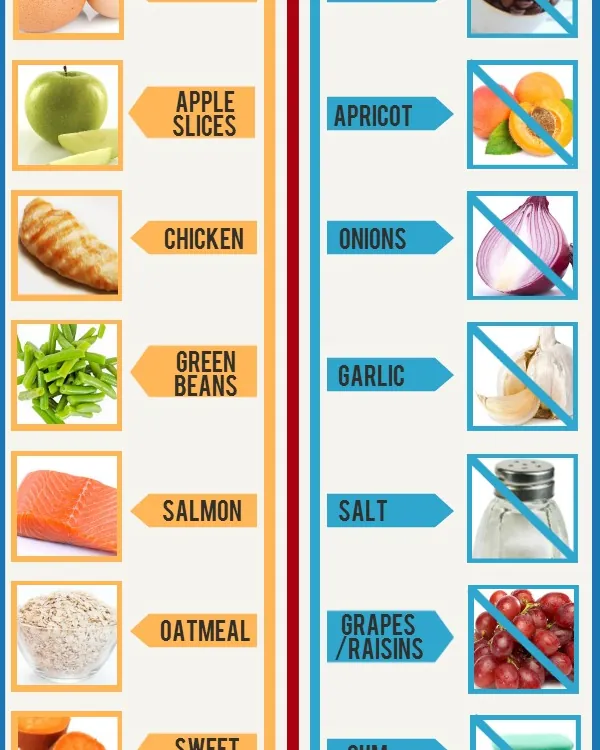
Many common items in your kitchen are toxic to dogs, even in small amounts. You must strictly avoid feeding grapes, raisins, onions, garlic, and chocolate. These items can cause sudden kidney failure or blood cell damage. People often think a small piece of “people food” is harmless, but the cost of a mistake here can be an emergency vet visit.
If you want to give treats, stick to commercial options designed for pets or simple, safe vegetables like plain carrots or green beans. Never feed cooked bones, as they can splinter and cause internal punctures. If you’re unsure if a food is safe, it’s always better to skip it entirely. Your dog’s digestive system isn’t designed to process the seasonings, fats, or sugars found in human meals.
Common myths about canine diets
- Grain-free is always healthier: This isn’t true for most dogs, as grains provide necessary energy and fiber unless your vet confirms a specific allergy.
- Raw meat is safer: Raw diets carry a high risk of bacterial contamination like Salmonella, which can affect both the dog and your household members.
- Dogs need variety: Dogs don’t get bored with the same food; in fact, a consistent diet is much easier on their digestive system.
- Expensive means better: Higher price tags don’t always equal better nutrition; look at the ingredient list and the manufacturer’s testing standards instead.
Dog food do’s and don’ts
- Read the feeding guide on the bag to find the recommended amount for your dog’s current weight.
- Use a standard measuring cup to portion out exactly the amount suggested for your dog’s age group.
- Divide the total daily amount into two equal meals to help keep your dog’s energy levels stable.
- Remove the bowl after 20 minutes if your dog hasn’t finished, to prevent them from overeating later.
- Check the expiration date on the bag every time you buy a new supply to ensure freshness.
- Store the food in a cool, dry place inside a sealed container to keep it from going stale.
Frequently asked questions
Can I feed my dog human food as their main diet?
No, human food isn’t balanced for canine needs. It often contains too much salt, fat, or ingredients that are toxic to dogs. You should use commercial dog food that meets established nutrient profiles to ensure they get every vitamin they need.
How often should I change my dog’s food brand?
You shouldn’t change brands unless necessary. If you must switch, do it slowly over 7 to 10 days by mixing the new food with the old. This slow transition helps prevent digestive upset and allows you to monitor for any allergic reactions.
Is it safe to feed my dog once a day?
It depends on your dog’s size and medical needs. Most adult dogs do well with two meals a day, which helps manage hunger. For very large breeds, two meals can also help prevent bloat, a serious condition that requires immediate medical attention.
How do I know if the food is high quality?
Look for a nutritional adequacy statement from a recognized authority on the label. High-quality foods undergo feeding trials rather than just laboratory analysis. You can check the manufacturer’s website to see if they conduct these tests on their products.
What should I do if my dog stops eating?
If your dog skips more than two meals, you should contact a veterinarian. A loss of appetite can be the first sign of dental pain, digestive issues, or other illnesses. Never try to force-feed your pet if they refuse their normal food.
Does the shape of the kibble matter?
No, the shape doesn’t matter for nutrition. Some brands use different shapes to help clean teeth through mechanical abrasion, but the actual ingredients are what count. Choose a size that’s appropriate for your dog’s jaw to prevent choking.
Conclusion
Providing your companion with wholesome meals is a wonderful way to show them love every single day. If you aren’t sure about the best brand for your pup’s specific needs, don’t hesitate to ask your vet for a recommendation during your next visit. They’ll help you keep your friend happy and healthy.