

The ideal diet for your canine companion consists of high-quality, nutritionally balanced ingredients that meet the specific life stage and health requirements of your individual dog. Providing the right fuel is essential, as dogs are omnivores that thrive on a mix of proteins, healthy fats, carbohydrates, and essential vitamins. Navigating the pet food aisle can be overwhelming, but focusing on scientifically backed nutrition ensures your pet maintains a healthy coat, strong muscles, and consistent energy levels throughout their life.
Key Takeaways
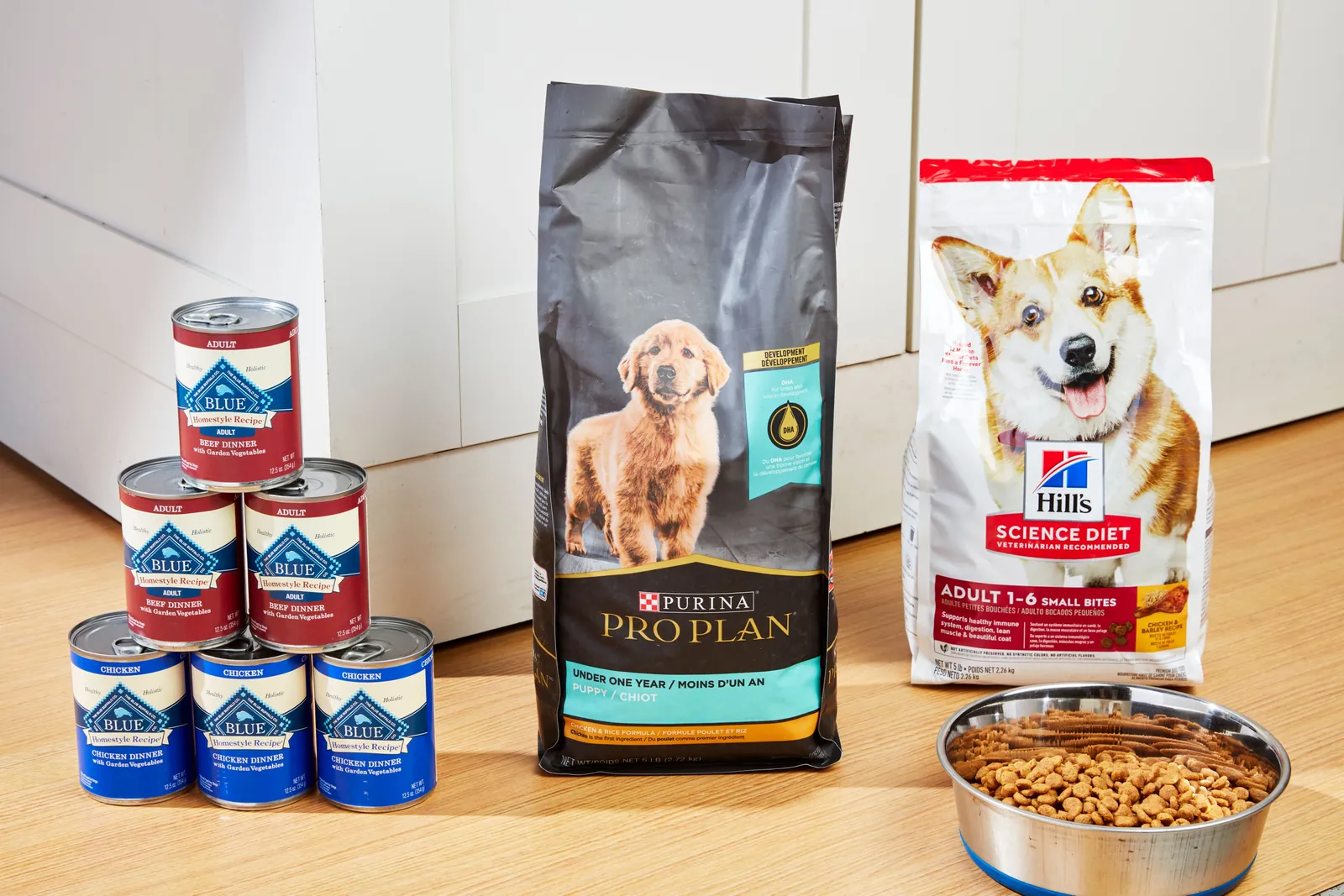
- Always verify that the product label carries an “AAFCO” statement confirming it meets complete and balanced nutritional standards.
- Prioritize diets where the first ingredient listed is a high-quality animal protein source like chicken, beef, or salmon.
- Consult your veterinarian before making significant dietary changes, especially if your dog has known allergies or chronic health issues.
- Avoid feeding your dog human leftovers, as many common foods like onions, grapes, and chocolate are toxic to canines.
- Monitor your dog’s body condition score regularly to prevent obesity, which is a leading cause of preventable health complications.
Understanding Nutritional Requirements
Canine nutrition is governed by specific physiological needs that change as a dog ages. Puppies require higher caloric density and specific calcium-to-phosphorus ratios to support rapid skeletal growth. Adult dogs need a maintenance diet, while seniors often benefit from lower-calorie formulas with added joint support. According to the Association of American Feed Control Officials, pet foods must provide complete and balanced nutrition to be marketed as a primary diet for a specific life stage.
What is the best food for dog health?
Selecting the “best” food often comes down to your dog’s unique metabolism and health profile. While premium brands offer high-quality ingredients, the most important factor is that the food provides a consistent profile of essential amino acids and fatty acids.
| Food Category | Primary Benefit | Best Suited For |
|---|---|---|
| Dry Kibble | Dental health/Convenience | Most healthy adult dogs |
| Wet Food | Hydration/Palatability | Picky eaters/Senior dogs |
| Raw/Fresh | High protein bioavailability | Active dogs/Specific needs |
How to Read a Nutrition Label
Learning to interpret the fine print on a bag of kibble is a skill every owner should possess. Ignore the marketing buzzwords on the front of the package and turn directly to the ingredient list and the guaranteed analysis section. The ingredient list is sorted by weight, meaning the heaviest ingredients appear first. Look for named protein sources rather than generic labels like “meat byproduct.”
Warning: Always introduce new food gradually over a period of seven to ten days by mixing increasing amounts of the new brand with the old to prevent digestive upset.
Comparing Commercial Food Types

- Dry Kibble: Generally the most cost-effective and convenient option. It stores well and can help scrape away some plaque from teeth.
- Canned Food: Contains higher moisture content, which is helpful for dogs that don’t drink enough water. It’s often more expensive per calorie than dry food.
- Freeze-Dried or Fresh: These options offer high-quality nutrition but often come with a higher price tag and require more careful handling to prevent bacterial growth.
Are Grain-Free Diets Necessary?
For the vast majority of dogs, grains are a healthy and efficient source of energy and fiber. Unless your veterinarian has diagnosed your dog with a specific grain allergy, there’s no medical reason to avoid them. In fact, some grain-free diets have been investigated for potential links to heart issues in certain breeds, so it’s best to stick with science-based formulations unless your vet advises otherwise.
Managing Dietary Allergies
If your dog suffers from chronic itching, ear infections, or digestive distress, they may have a food sensitivity. Common allergens include beef, dairy, wheat, and chicken. If you suspect an allergy, your veterinarian may suggest a limited ingredient diet or a hydrolyzed protein trial to isolate the culprit.
Proactive Portion Control
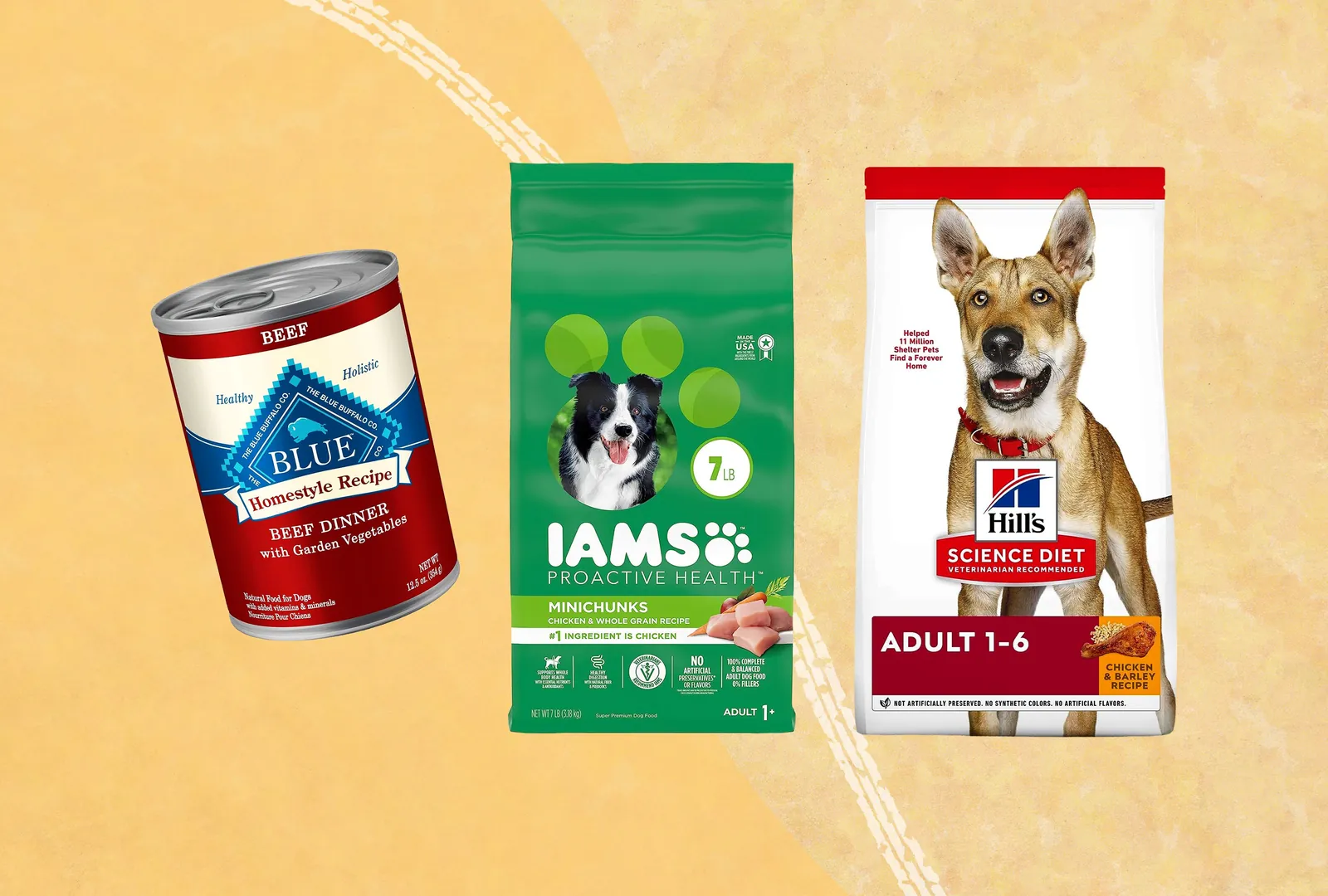
Even the highest quality food can lead to health issues if your dog is overfed. Obesity is a major risk factor for diabetes, arthritis, and heart disease in dogs. Use a measuring cup rather than eyeballing portions, and remember that treats should account for no more than ten percent of your dog’s daily caloric intake.
Pro Tip: Use a kitchen scale to weigh your dog’s food, as cups can be inaccurate depending on how much the kibble settles in the bag.
| Body Condition | Observation | Action |
|---|---|---|
| Underweight | Ribs visible; no fat cover | Increase daily calories |
| Ideal | Ribs palpable; waist visible | Maintain current intake |
| Overweight | Ribs hidden; no waist | Decrease portions; increase activity |
Frequently Asked Questions
Is raw food better than kibble?
Raw diets are popular for their high protein content, but they carry significant risks of bacterial contamination, such as Salmonella. Most veterinarians recommend high-quality commercial kibble because it’s formulated for safety and nutritional balance, whereas raw diets are difficult to balance correctly at home without professional guidance.
Can I feed my dog human food?
While some human foods like plain cooked chicken or carrots are safe in moderation, many others are dangerous. Never feed your dog onions, garlic, grapes, raisins, macadamia nuts, or anything containing xylitol. These ingredients can cause severe organ failure or toxicity in dogs, even in small amounts.
How often should I feed my dog?
Most adult dogs thrive on two meals per day—one in the morning and one in the evening. This schedule helps regulate their metabolism and keeps their blood sugar stable. Puppies, however, require three to four smaller meals daily to support their rapid growth and avoid dangerous drops in blood sugar.
Does my dog need supplements?
If you’re feeding a high-quality, commercially available food that’s labeled as complete and balanced, your dog likely doesn’t need extra supplements. Adding vitamins or minerals without a veterinarian’s recommendation can cause dangerous imbalances, particularly with calcium and vitamin D, which can harm your dog’s developing bones or organs.
How do I know if food is high quality?
Look for a company that employs veterinary nutritionists, conducts feeding trials, and maintains rigorous quality control standards. You can verify this by checking if the manufacturer has a website detailing their research or by calling their customer service line to ask about their testing protocols and ingredient sourcing practices.
Conclusion
Ensure your dog always has access to fresh, clean water, as hydration is just as vital as the quality of the food you provide. If you notice persistent changes in your dog’s appetite, weight, or stool quality, contact your veterinarian immediately to rule out underlying health issues and adjust your feeding plan accordingly.