
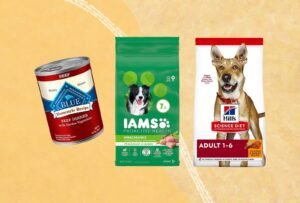
No single brand is best for every dog because nutritional needs vary by age, size, and health status.
Best dog food brands at a glance

- Hill’s Science Diet meets AAFCO nutrient profiles through feeding trials for most adult and puppy formulas.
- Purina Pro Plan offers breed-size specific kibble with guaranteed analysis matching WSAVA global nutrition guidelines.
- Royal Canin provides veterinary-exclusive diets validated by clinical studies for dogs with diagnosed medical conditions.
- Blue Buffalo Life Protection uses named meat meals but requires checking individual recipes for AAFCO trial validation.
- Freshpet refrigerated meals meet nutrient profiles via formulation only, requiring strict cold chain handling to prevent spoilage.
- Orijen Whole Prey contains high protein levels unsuitable for sedentary adults or dogs with kidney disease.
Why nutrient profiles matter more than brand names
Dog food quality isn’t determined by brand reputation but by whether the formula meets established nutrient standards for your dog’s life stage. The Association of American Feed Control Officials sets these minimum requirements, and compliance appears on the label as either “formulated to meet” or “animal feeding tests using AAFCO procedures.”
Feeding trials provide stronger evidence because they test actual digestibility and health outcomes in live animals over six months, while formulation only confirms the recipe matches nutrient tables on paper.
When standard recommendations don’t apply
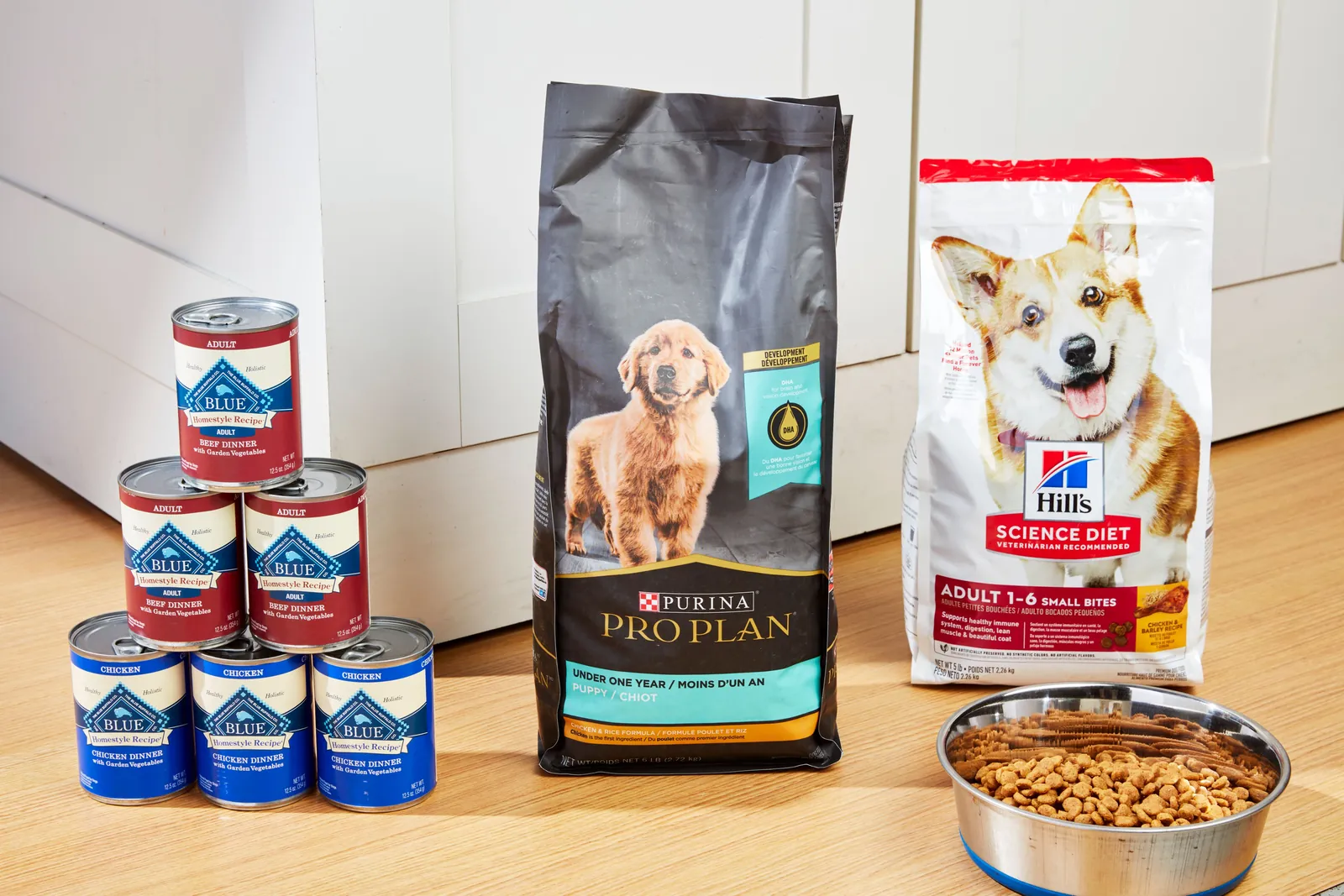
The right food changes based on your dog’s specific health status, activity level, or diagnosed conditions.
| Situation | What changes | What to do instead |
|---|---|---|
| Kidney disease | Protein restriction needed | Use veterinary renal diet only |
| Food allergy | Common proteins trigger reactions | Try hydrolyzed protein prescription diet |
| Large breed puppy | Rapid growth risks joint damage | Select large-breed puppy formula specifically |
| Senior dog over 10 | Lower calorie density required | Switch to senior formula with joint support |
| Working dog athlete | Higher fat and protein needs | Choose performance formula with 30%+ fat |
| Pancreatitis history | Fat intolerance present | Use low-fat gastrointestinal diet permanently |
How to choose the right dog food
- Check the AAFCO statement on the bag to confirm the food matches your dog’s current life stage requirement.
- Read the guaranteed analysis for crude protein, fat, fiber, and moisture percentages appropriate for your dog’s size.
- Verify the first three ingredients include named animal protein sources like chicken meal or salmon, not generic meat by-products.
- Confirm the manufacturer conducts feeding trials rather than relying solely on formulation testing for nutrient adequacy.
- Calculate daily feeding amount using the chart on the bag adjusted for your dog’s ideal weight, not current weight.
- Transition gradually over seven days by mixing increasing amounts of new food with decreasing old food portions.
- Monitor stool quality, energy levels, and coat condition for four weeks after switching to assess tolerance.
- Schedule veterinary bloodwork annually to verify the chosen diet maintains healthy organ function and nutrient status.
Mistakes that compromise dog nutrition
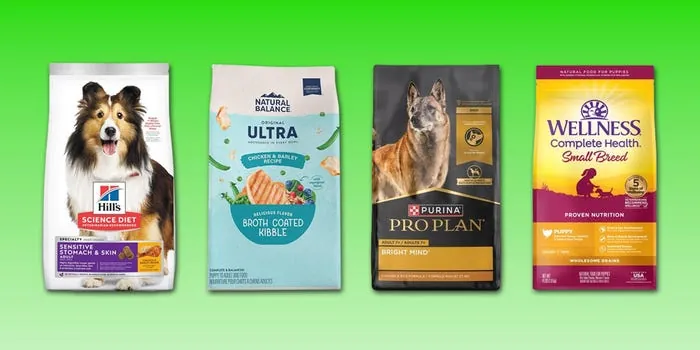
- Ignoring the AAFCO statement means you might feed adult maintenance food to a growing puppy lacking essential calcium ratios.
- Choosing grain-free based on marketing ignores the FDA investigation linking certain legume-heavy formulations to dilated cardiomyopathy in dogs.
- Overfeeding by following bag guidelines without adjusting for your dog’s body condition score leads to obesity-related joint and metabolic problems.
- Switching foods abruptly causes gastrointestinal upset including vomiting and diarrhea that masks underlying food intolerances or allergies.
- Trusting ingredient lists over nutrient analysis misses that premium-sounding ingredients don’t guarantee balanced nutrition or proven digestibility.
Frequently asked questions
Can I feed my dog raw homemade food safely?
Yes, but only with veterinary nutritionist formulation to prevent severe nutrient deficiencies. Homemade diets require precise supplementation of calcium, vitamin D, and trace minerals that cooking destroys. Most online recipes fail to meet nutritional standards according to peer-reviewed analysis published in veterinary journals.
Why does my vet recommend prescription diets?
Prescription diets contain therapeutic nutrient levels unavailable in commercial foods and require veterinary oversight. These formulas undergo clinical testing for specific diseases like kidney failure or urinary stones. They’re regulated differently than regular pet food and shouldn’t be fed without diagnosis and monitoring.
How long should I transition between dog foods?
Seven to ten days is standard for most dogs without sensitive stomachs. Start with 25% new food mixed with 75% old food for three days, then increase gradually. Dogs with known gastrointestinal issues may need two-week transitions to avoid digestive upset during the changeover period.
Is grain-free dog food better for allergies?
No, true grain allergies are rare in dogs compared to protein allergies from chicken, beef, or dairy. Grain-free diets often substitute lentils or peas which the FDA has investigated for potential links to heart disease. Elimination diets using novel proteins remain the gold standard for diagnosing food sensitivities.
What happens if I feed puppy food to an adult dog?
Adult dogs eating puppy food long-term risk obesity and orthopedic problems from excess calories and calcium. Puppy formulas contain higher nutrient densities designed for rapid growth phases ending around twelve months. Switch to adult maintenance formulas once your dog reaches mature size unless your veterinarian advises otherwise for specific health reasons.
Does expensive dog food mean better quality?
Not necessarily, as price reflects marketing, packaging, and distribution costs alongside ingredient quality. Some mid-priced brands conduct more rigorous feeding trials than premium boutique manufacturers. Evaluate nutrient adequacy statements and manufacturing practices rather than assuming higher cost equals superior nutrition.
How do I know if my dog’s food is working?
Stable weight, consistent firm stools, shiny coat, and normal energy levels indicate adequate nutrition within four to eight weeks. Annual veterinary exams with bloodwork provide objective confirmation that organs function properly on the current diet. Persistent itching, loose stools, or lethargy warrant dietary reassessment regardless of brand reputation or price point.
Conclusion
Your dog’s nutritional needs shift throughout their lifetime, so the brand that works today may not suit them next year. Regular veterinary checkups combined with careful label reading ensure you’re making informed choices based on your individual dog’s changing requirements rather than static brand loyalty or outdated advice.