
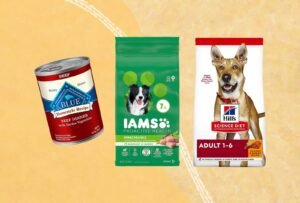
No single label wins every time, but the healthiest dog food brand is one whose formula meets AAFCO nutrient profiles and was tested in feeding trials. Brands like Purina Pro Plan, Hill’s Science Diet and Royal Canin run those trials.
Choosing the healthiest dog food brand
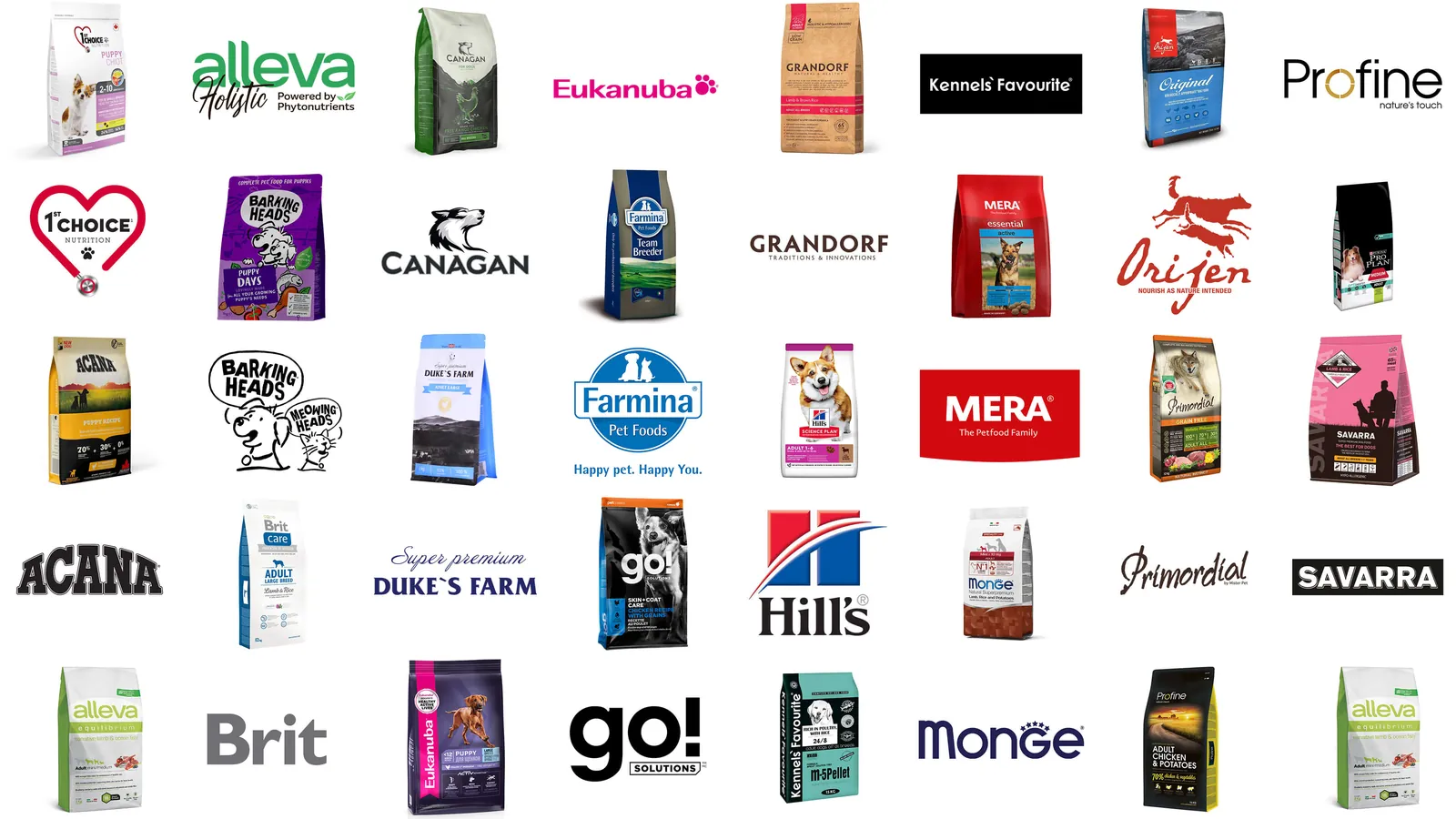
You don’t shop for a company name. You shop for the life stage and size printed on the bag, then check who formulated it.
- Match the bag to your dog’s current life stage. Buy puppy food for dogs under 12 months, adult maintenance for grown dogs, and senior formulas only if your vet suggests them.
- Check the AAFCO statement on the back panel. It must say the food provides complete and balanced nutrition for your dog‘s specific life stage, not just “all life stages.”
- Look for the words “animal feeding tests” in that same statement. Foods proven by actual feeding trials are safer than those approved by lab calculation alone.
- Read the first three ingredients. Named meats like chicken or beef should lead the list, followed by a named fat source like chicken fat or salmon oil. Tip: Don’t panic if a carbohydrate like rice or oats sits second. Meat loses water weight during cooking, so dry carbs naturally move up the ingredient list.
- Verify the manufacturer employs a full-time veterinary nutritionist. The World Small Animal Veterinary Association recommends checking this before you switch brands.
- Calculate the daily amount using your dog’s ideal weight, not what they weigh today. If your dog needs to lose weight, feed for the target number on the scale.
- Transition slowly over seven days. Mix 25% new food with 75% old food for two days, then half and half, then mostly new.
If your dog has kidney disease, diabetes or severe allergies, stop here. Prescription diets require a veterinarian’s diagnosis, and picking one off a shelf without bloodwork can cause organ damage.
How long switching dog food takes
A safe switch isn’t instant. Rushing it causes loose stools, vomiting or a refusal to eat, so plan for at least a week.
| Situation | How long | What changes it | What to watch for |
|---|---|---|---|
| Healthy adult dog | 7 days | Starting ratio of old to new food | Soft stools or gas |
| Puppy under 6 months | 10 days | Smaller digestive tract | Skipped meals or diarrhea |
| Senior dog over 8 years | 10–14 days | Slower gut motility | Constipation or lethargy |
| Dog with a sensitive stomach | 14–21 days | Previous reactions to diet changes | Vomiting or mucus in stool |
If soft stools persist after the timeline ends, stop adding new food. Hold the last working ratio for three extra days before trying again.
Signs your dog’s food is working
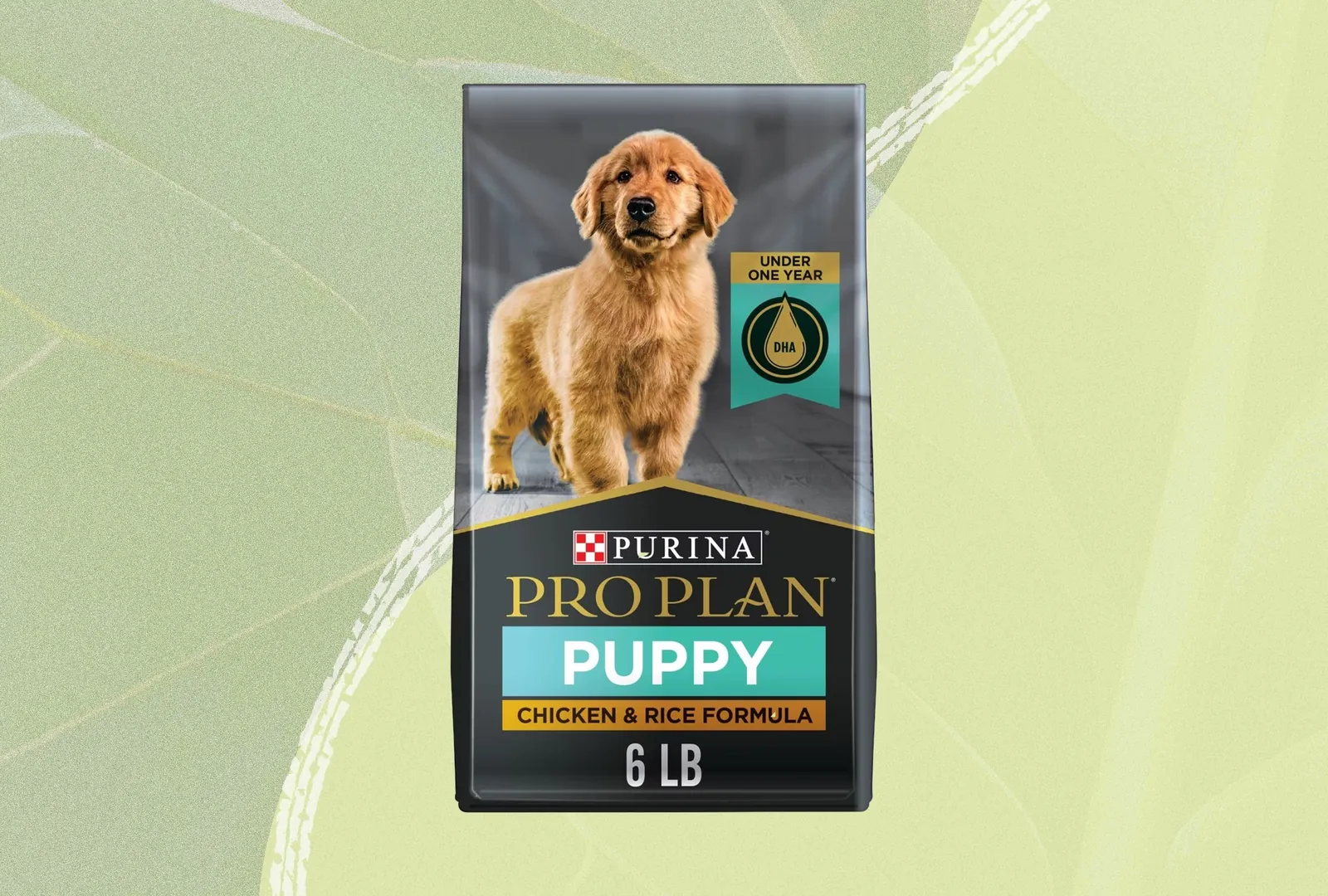
You won’t see results on day one.
Stool quality tells you the most about digestion. Firm, brown logs mean nutrients are absorbing.
The final test is your hand on their ribs. You should feel ribs easily under a thin fat layer. If you have to dig, portions or calories are too high. The WSAVA body condition score chart sets the standard.
Bag mistakes that ruin your dog’s food
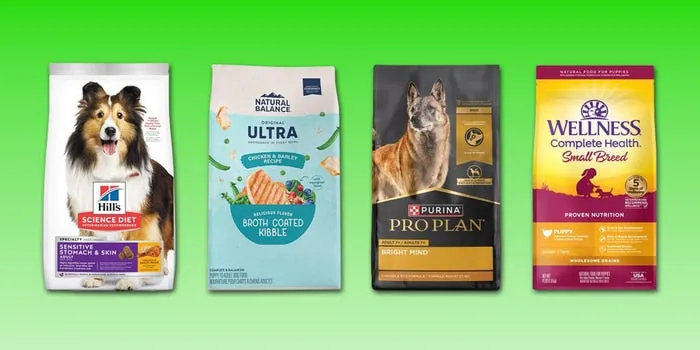
Buying the right bag doesn’t matter if you handle it poorly once it’s home.
- Leaving the bag open overnight. Oxygen breaks down fats and destroys vitamins over time. Roll the top down tightly and clip it after every single meal.
- Pouring kibble into an unlined plastic bin. Fats seep into the plastic walls and turn rancid, even if you wash the bin weekly. Keep the food inside its original foil-lined bag and set the whole bag into the container.
- Guessing the portion size with a coffee mug. A cup from your cabinet might hold twice the volume of a standard measuring cup. Weigh the food on a kitchen scale using the grams printed on the bag.
- Ignoring the best-by date. Nutrients degrade past that stamped date, meaning your dog eats empty calories. Buy bags small enough to finish well before the expiration month arrives.
Frequently asked questions
Is grain-free dog food healthier?
No. Grain-free diets aren’t automatically better, and they carry real risks. The FDA investigated a link between certain grain-free foods containing peas, lentils or potatoes and canine dilated cardiomyopathy.
How much dog food should I feed per day?
Feed based on your dog’s ideal weight, not their current weight. A 50-pound adult dog typically needs 2 to 2.5 cups of standard kibble daily, split into two meals. Always check the calorie count on your specific bag, since densities vary wildly.
Can I mix wet and dry dog food together?
Yes, mixing them works well for hydration and picky eaters. One 3-ounce can of wet food roughly replaces a quarter cup of dry kibble.
Why does my dog eat grass after meals?
Occasional grass eating is normal behavior, not always a sign of missing nutrients. Try a lower-fat formula and consult your vet if it continues.
How long does opened dry dog food last?
Opened kibble stays fresh for about six weeks if stored correctly. After six weeks, the fats start oxidizing and the vitamins break down significantly.
Is raw meat better than commercial kibble?
Raw diets carry high bacterial risks for both dogs and humans handling the meat. The AVMA discourages feeding raw animal-source protein due to pathogens like Salmonella and Listeria. Commercially cooked foods eliminate these bacteria while meeting established nutrient profiles safely.
What happens if I switch dog food too fast?
Switching instantly usually causes diarrhea, vomiting or a complete refusal to eat.
Conclusion
Picking the right food comes down to reading the label instead of trusting the front of the bag. Look for the AAFCO statement, verify the feeding trials, and measure your portions with a scale. The healthiest choice is simply the one that matches your dog’s exact life stage, keeps their weight steady, and passes through their system without upsetting their stomach.