
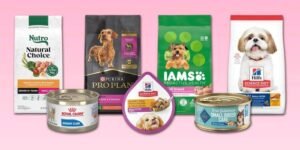
The best choice is a complete and balanced commercial dog food meeting AAFCO nutrient profiles for your dog’s life stage, since nutritional needs vary by age, size, and health status.
Skipping that label check is the mistake that costs owners the most. They buy a bag because the front says “natural” or “grain-free,” then discover months later their dog has a deficiency.
Picking the right meal plan
You don’t need a degree to pick a safe bowl.
- Read the AAFCO statement on the package first. It must say the food is “complete and balanced” for your dog’s specific life stage, like growth, adult maintenance or all life stages.
- Match the calorie density to your dog’s size. Small breeds burn energy fast and need more calories per pound; giant breeds grow slowly and need controlled calcium levels to protect their joints.
- Check the guaranteed analysis panel for minimum protein and fat percentages. Adult dogs generally need at least 18% crude protein on a dry matter basis, while puppies require around 22%.
- Look at the ingredient list to confirm a named animal protein, like chicken or beef, sits near the top. This isn’t about fear of grains; it’s about knowing where the amino acids come from.
- Calculate the daily portion using the feeding chart on the bag as a starting point, not a rule. Adjust down by 10% if your dog gains weight over two weeks. Tip: If your dog eats treats, subtract those calories from the main meals. Treats shouldn’t make up more than 10% of total daily intake.
- Switch foods gradually over seven to ten days. Mix 25% new food with 75% old food for three days, then move to half and half, preventing stomach upset.
If your dog has kidney disease, diabetes or severe allergies, stop here. Formulating a therapeutic diet requires veterinary training, and guessing the wrong phosphorus level can cause organ damage. Hand that job to a board-certified veterinary nutritionist.
How long dog food lasts after opening
Dry kibble doesn’t stay fresh forever once you break the seal. Moisture and air start breaking down fats immediately, which changes how long the food stays safe.
| Situation | How long | What changes it | What to watch for |
|---|---|---|---|
| Opened dry kibble | 4–6 weeks | Humidity, heat, light | Stale smell, soft texture |
| Opened canned wet food | 3–5 days in fridge | Fridge temperature | Mold, sour odor, slime |
| Thawed raw diet | 2–3 days in fridge | Starting bacteria load | Gray color, foul smell |
| Unopened dry bag | Until expiration date | Packaging integrity | Swollen bag, punctures |
If the food smells rancid or your dog refuses a bowl, throw it out. You can find your bag’s expiration date printed somewhere on the packaging, such as the bottom, back, or top seal.
Signs your dog’s diet is working
You won’t see results on day one.
A healthy coat feels smooth, not brittle or greasy. You shouldn’t see excessive shedding beyond your breed’s normal pattern. Stools should be firm, small and easy to pick up. Loose, frequent or unusually smelly waste means the gut isn’t absorbing nutrients well.
Energy levels matter too. If ribs disappear under fat or stick out sharply, the portions are wrong. The World Small Animal Veterinary Association publishes a body condition score chart you can use to check your dog’s shape at home.
Feeding mistakes that hurt dogs
Getting the brand right doesn’t matter if the daily habits undo it.
- Free-feeding a full bowl all day. Leaving food out constantly causes weight gain and hides appetite loss, which is often the first sign of illness. Measure twice daily and remove the bowl after 15 minutes.
- Switching proteins overnight. A sudden change from chicken to lamb triggers vomiting and diarrhea because gut bacteria can’t adapt instantly. Always mix old and new food over a week.
- Ignoring treat calories. Tossing five large biscuits during training adds up to a whole extra meal. Count treats toward the daily limit so the total intake stays balanced.
- Feeding adult food to large-breed puppies. Giant breeds growing too fast develop permanent joint deformities. Use formulas specifically designed to control calcium and calorie density for large puppies.
- Assuming grain-free means healthier. Unless a vet diagnoses a specific grain allergy, removing grains often replaces them with peas or lentils. The FDA has investigated links between certain legume-heavy diets and heart disease in dogs.
This approach isn’t for owners who want to cook homemade meals without supplements.
Frequently asked questions
Can dogs eat the same food their whole life?
No, puppies and seniors need different nutrient ratios. Puppies require higher protein, fat and calcium for growth, while older dogs often need fewer calories and adjusted phosphorus levels for kidney support. Switch formulas when your dog transitions between life stages.
Why is my dog scratching after eating chicken?
Chicken is a common allergen for dogs, though true food allergies are rarer than environmental ones. Itching happens when the immune system reacts to a specific protein. Ask your vet about an elimination diet trial lasting eight weeks to identify the exact trigger.
How much should I feed my 50-pound dog?
About 2 to 2.5 cups of standard dry kibble daily, split into two meals. This assumes a moderately active adult eating a food with roughly 350 calories per cup. Check your specific bag’s calorie count, since dense formulas require smaller scoops.
Is it safe to mix wet and dry dog food?
Yes, mixing them is fine as long as you count the total calories. Wet food has high moisture and lower calories per ounce. Reduce the kibble portion when adding canned food so your dog doesn’t gain unwanted weight over time.
What happens if a dog eats cat food once?
Nothing serious usually happens from a single stolen bite. Cat food contains higher protein and fat levels meant for feline metabolism. Eating it regularly causes weight gain and potential pancreatitis in dogs due to the excess richness.
How long does it take to transition dog food?
Seven to ten days is the standard timeline. Start with 25% new food mixed into 75% old food for three days, then shift to half and half. This slow pace lets gut bacteria adjust without causing diarrhea or vomiting.
Are raw diets better than kibble?
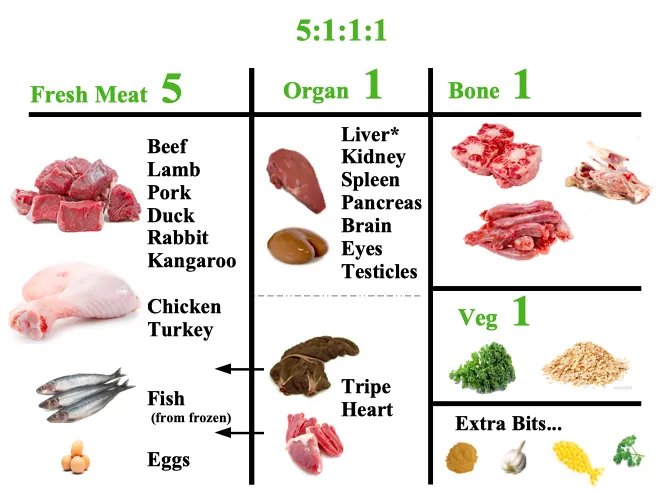
Not automatically, as raw diets carry higher bacterial contamination risks like Salmonella for dogs and households. The American Veterinary Medical Association discourages raw meat diets due to these public health concerns, making cooked commercial diets a safer option for consistent nutrition.
Conclusion
Every dog’s body changes over time, so what works today might need adjusting later. Schedule a quick chat with your vet at their next checkup to review the bowl. They’ll help you spot any gaps before small issues turn into bigger ones.