
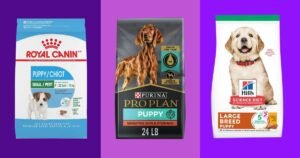
Orijen, Blue Buffalo, Hill’s Science Diet, Purina Pro Plan, and Wellness are the five lines people reach for when looking for healthy dog food brands. The thing that separates them is whether a formula leans on fresh meat, targets a medical condition, or keeps the cost down for a big dog.
Healthy dog food brands at a glance
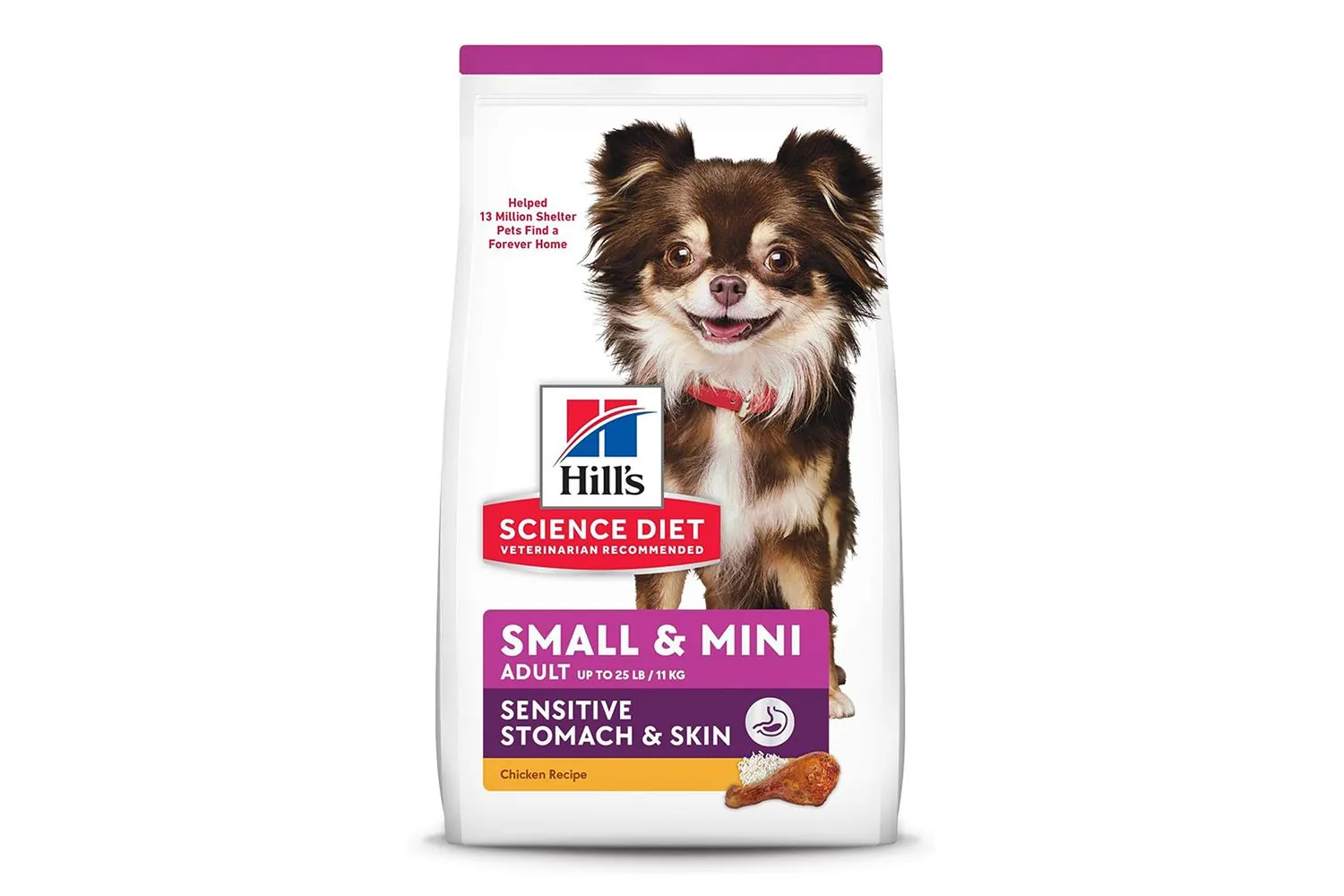
Here’s how these five compare before you pick one up.
| Brand | Best for | Concrete example |
|---|---|---|
| Orijen | High fresh-meat diets | Orijen Original dry kibble |
| Blue Buffalo | Everyday grain-inclusive feeding | Life Protection Adult Chicken |
| Hill’s Science Diet | Vet-recommended health needs | Sensitive Stomach & Skin |
| Purina Pro Plan | Active and working dogs | Sport 30/20 Formula |
| Wellness | Limited-ingredient feeding | Simple Salmon & Potato |
Orijen
Orijen builds its recipes around whole prey ratios, meaning it uses muscle meat, organs, and bone in one bag.
- Delivers 38% protein in the Original recipe, assuming the standard adult maintenance formula.
- Uses fresh or raw poultry as the first five ingredients instead of rendered meals.
- Includes whole peas and lentils as primary starch sources alongside whole squash.
- Carries a higher price per pound than grocery-store bags.
A 50-pound active dog eats roughly 3 cups of Orijen Original daily.
Blue Buffalo
Blue Buffalo adds its proprietary “LifeSource Bits” — cold-formed vitamin chunks mixed into the kibble. It fits households that want named meats and whole grains without paying boutique prices.
- Provides real deboned chicken as the first ingredient in the Life Protection line.
- Includes brown rice and oatmeal for steady energy rather than quick-burning fillers.
- Offers both grain-free and grain-inclusive versions under the same brand umbrella.
- Costs less per serving than ultra-premium fresh-meat competitors.
Blue Buffalo Life Protection suggests about 2 cups a day for a 30-pound adult dog. If your dog has a diagnosed grain allergy, skip this line and use a single-protein limited formula instead.
Hill’s Science Diet
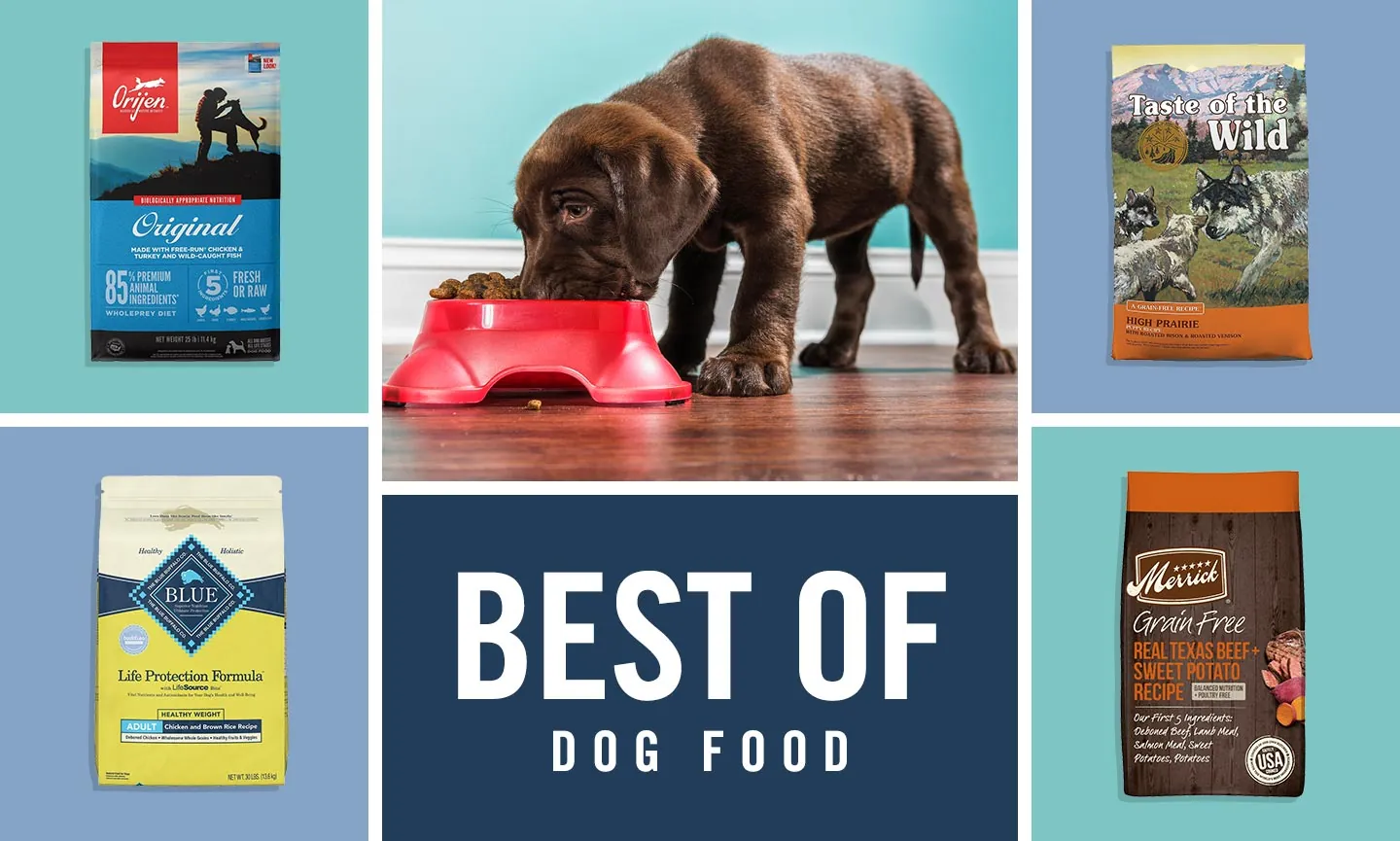
Hill’s formulates its foods with direct input from veterinarians and nutritionists, focusing on clinical outcomes rather than marketing trends. It’s built for dogs dealing with sensitive stomachs, weight issues, or aging joints.
- Backs recipes with published feeding trials, not just computer-formulated nutrient profiles.
- Targets specific life stages like puppy growth or senior mobility with adjusted calcium and fat.
- Avoids artificial colors and flavors across the entire lineup.
- Requires a vet’s recommendation for the Prescription Diet tier.
A 15-pound dog on Sensitive Stomach & Skin typically gets 1.5 cups daily, but the exact amount depends on the calorie count printed on your specific bag.
Purina Pro Plan
Purina Pro Plan balances performance nutrition with wide availability at most pet stores and supermarkets. It works well for highly active dogs, sporting breeds, or homes needing reliable bulk sizes.
- Packs 30% protein and 20% fat in the Sport formula for sustained energy output.
- Uses live probiotics to support digestive health during heavy exercise.
- Comes in large 35-pound bags that keep costs manageable for multi-dog homes.
A 60-pound working dog might need 4 cups of the Sport 30/20 blend daily. Dogs with low activity levels shouldn’t eat this formula, as the extra fat leads to rapid weight gain.
Other healthy dog food options
- Wellness: Focuses on simple, limited-ingredient recipes for dogs that react poorly to long ingredient lists.
- Taste of the Wild: Uses roasted meats and ancient grains for owners wanting novel proteins like bison or venison.
- Merrick: Relies heavily on deboned meats and whole produce, suited for picky eaters needing strong flavor.
- Nutro: Keeps recipes non-GMO and straightforward, fitting budget-conscious buyers who still want named meats.
- Royal Canin: Builds breed-specific and size-specific kibble shapes, aimed at owners wanting precise physical tailoring.
Picking the right brand for your dog
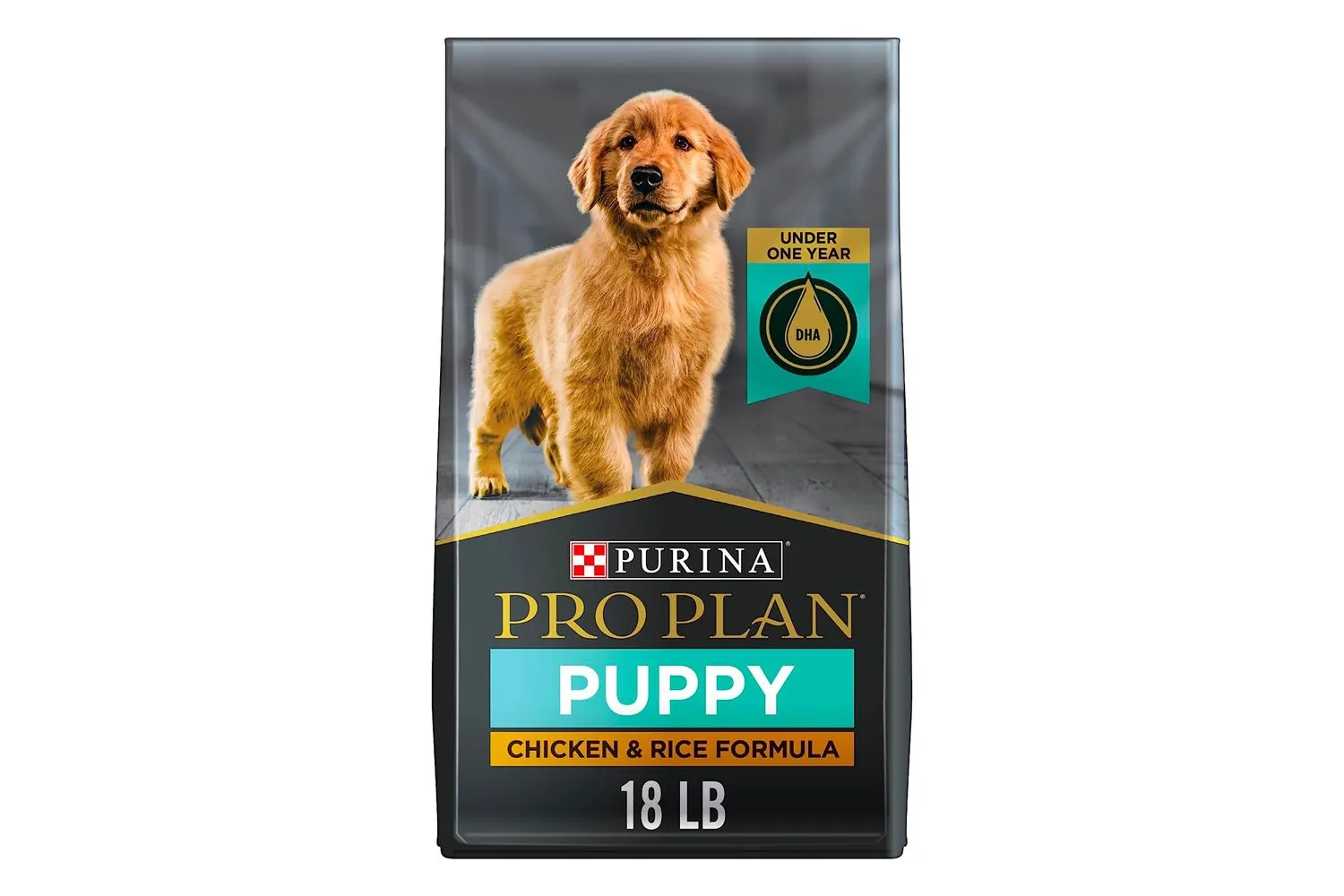
If your dog runs hard for over an hour daily, pick Purina Pro Plan Sport; if they mostly sleep on the couch, choose Blue Buffalo Life Protection. For dogs throwing up after meals or scratching constantly, Hill’s Science Diet Sensitive Stomach is the safer starting point. When you have the budget and want maximum fresh meat without cooking, Orijen delivers that density.
Frequently asked questions
Can I mix two different dog food brands?
Yes, but only if both meet the standards for the same life stage. Mixing puppy and adult food throws off the calcium ratio. Transition slowly over seven days to avoid diarrhea.
Why is grain-free dog food controversial?
The FDA investigated a potential link between certain grain-free diets and canine dilated cardiomyopathy. Check the FDA’s official updates before choosing a legume-heavy recipe for a breed prone to heart issues.
How long does dry dog food last once opened?
An opened bag stays fresh for about six weeks if you squeeze the air out and seal it tightly. After that, fats oxidize and the food loses nutritional value.
Is it safe to switch my dog’s food suddenly?
No, a sudden switch usually causes vomiting or diarrhea. Mix 25% new food with 75% old food for three days, then increase the new portion gradually over a week.
What happens if my dog eats too much protein?
Healthy dogs process excess protein through their kidneys without issue. Dogs with existing kidney disease can suffer further damage, so always match the protein level to your vet’s advice.
Does expensive dog food mean better quality?
Not automatically. Price often reflects fresh meat content and sourcing, but a mid-priced food backed by feeding trials beats a costly one formulated only on paper. Read the guaranteed analysis.
How much should I feed my dog daily?
Check the feeding chart on your specific bag, as calories vary widely. A 30-pound dog might need 2 cups of one brand but only 1.5 cups of a denser formula.
Starting with your dog’s next meal
Pick the brand that matches your dog’s current activity level and stomach sensitivity, then buy the smallest bag available. Expect firmer stools and a shinier coat within three weeks if the food agrees with them. Stop and call your vet immediately if you see repeated vomiting or sudden lethargy after the switch.