
The best dog food brand depends on your dog’s age, size and health, with options like Purina Pro Plan, Hill’s Science Diet and Royal Canin meeting AAFCO standards.
The thing that decides if a food works is whether it meets AAFCO nutrient profiles for your dog’s life stage.
How to pick the right dog food brand
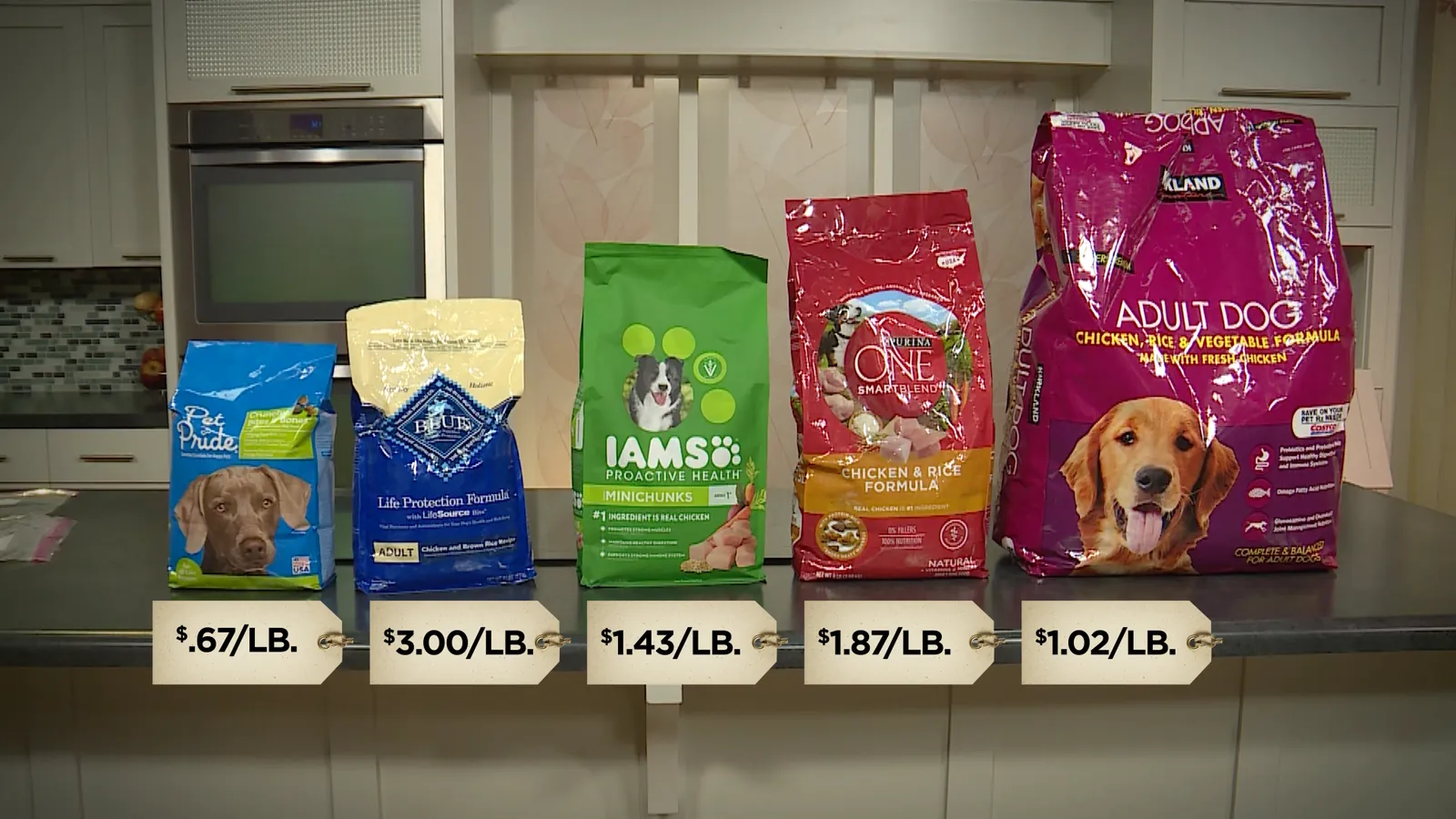
Finding a food that fits your dog takes a few clear steps.
- Check the AAFCO statement on the bag or can. It must say the food is “complete and balanced” for your dog’s specific life stage, like growth or adult maintenance.
- Match the formula to your dog’s size. If your dog will weigh over 50 pounds as an adult, buy a large-breed puppy food; if they’ll stay under 20 pounds, use a small-breed formula. Large breeds need controlled calcium levels to protect their joints.
- Look at the guaranteed analysis panel. Adult dogs generally need at least 18% crude protein on a dry matter basis, while puppies need 22% or more.
- Ask your vet before buying a grain-free recipe. The FDA has investigated a possible link between certain grain-free diets and canine heart disease, so don’t switch without medical advice. You can read the FDA update on diet and DCM directly on their site.
- Buy a small bag first. Feed only this new food for two weeks to see how your dog’s stomach handles it before committing to a large sack.
Tip: Don’t mix two different brands in the same bowl. Each formula balances minerals differently, and combining them throws off the ratios your dog relies on.
- Store dry kibble in its original bag inside an airtight container. The bag lining keeps fats from going rancid, and tossing it out removes that protection.
If your dog has kidney disease, diabetes or severe allergies, choosing a food stops being a do-it-yourself task.
How long switching dog food brands takes
Changing food too fast upsets stomachs. A full transition usually takes seven to ten days for a healthy adult eating standard kibble. Puppies or dogs with sensitive digestion might need closer to fourteen days.
| Situation | How long | What changes it | What to watch for |
|---|---|---|---|
| Healthy adult, dry to dry | 7–10 days | Protein source difference | Soft stools after day 3 |
| Puppy, any format | 10–14 days | Higher fat content | Vomiting or skipped meals |
| Senior dog, dry to wet | 7–10 days | Moisture increase | Loose stool or less water drinking |
| Sensitive stomach | 14+ days | Ingredient count | Gas, itching or diarrhea |
If loose stools last more than three days into the schedule, stop adding more of the new food.
Signs the dog food brand actually works
You can’t judge a diet on the first day.
A good fit shows up in daily habits. Coats should look shiny rather than dull or flaky. Stools should be firm, small and easy to pick up.
The World Small Animal Veterinary Association publishes a body condition chart you can use at home. Feel their ribs: you should find them easily under a thin fat layer, but they shouldn’t stick out.
Dog food mistakes that ruin the diet
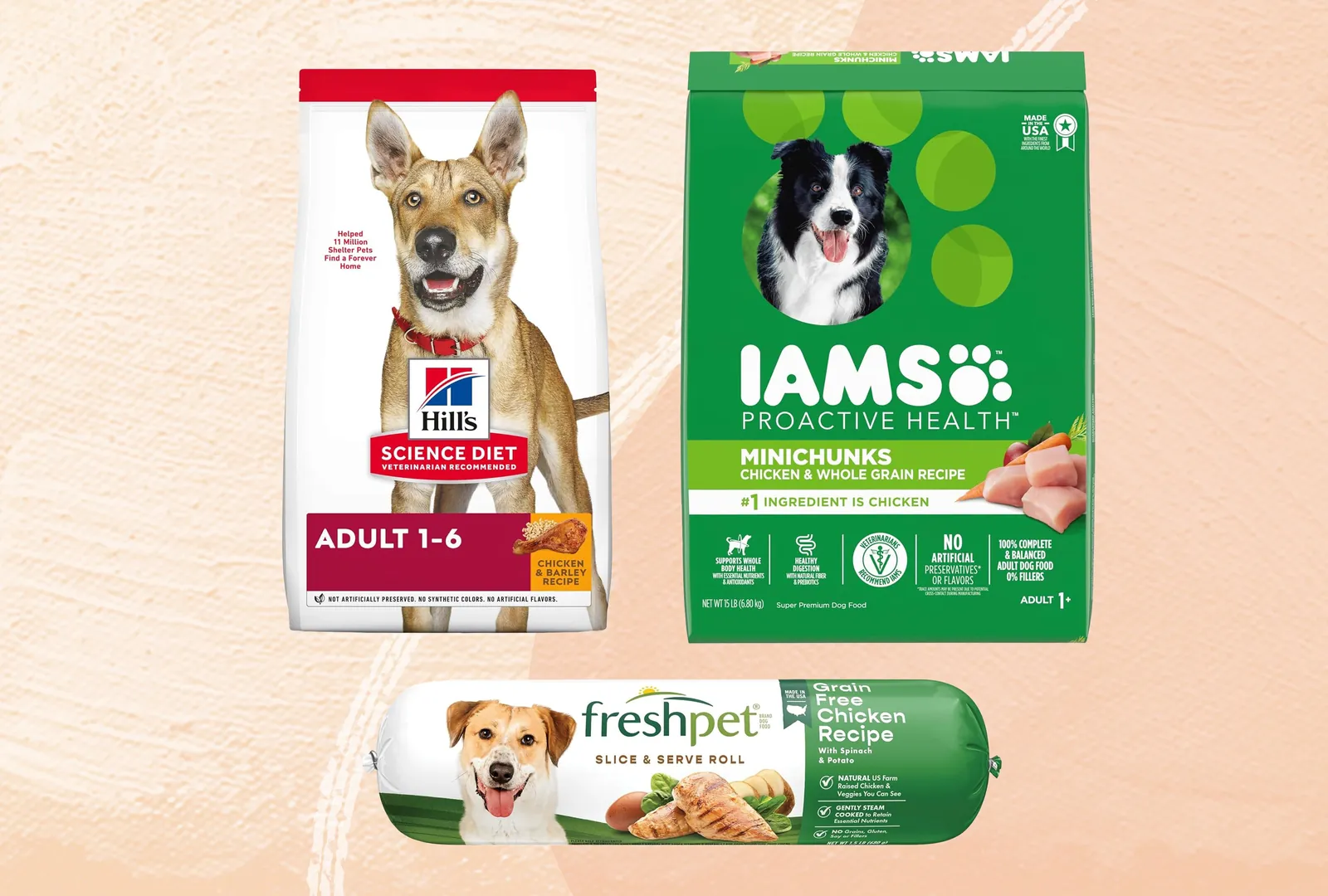
- Ignoring the calorie count per cup. Two brands can differ by 100 calories per cup, so feeding the same scoop size leads to quick weight gain. Read the kcal/cup number on the bag and measure your scoops with a kitchen scale.
- Switching brands overnight. A sudden swap shocks the gut bacteria, causing vomiting or diarrhea that lasts several days. Blend the old and new food slowly over at least seven days.
- Buying bulk bags for small dogs. Fat in kibble goes rancid about four to six weeks after opening, which ruins the taste and destroys vitamins. Buy a bag your dog finishes within a month, or freeze portions you won’t use soon.
- Choosing based on the front label. Words like “premium” aren’t strictly defined for pet food, and while “natural” has an AAFCO definition, neither term guarantees better nutrition. Flip the bag over and read the AAFCO statement instead.
Frequently asked questions
Is grain-free dog food better?
No, grain-free isn’t automatically healthier. Only switch to grain-free if your vet diagnoses a specific grain allergy, since the FDA is still studying links between some grain-free diets and heart issues.
How much dog food should I feed per day?
For a 30-pound adult dog eating average kibble (about 350 kcal per cup), start with roughly 1.5 to 2 cups daily, split into two meals.
Can I mix wet and dry dog food?
Yes, you can mix them safely. A standard 5.5-ounce can of wet food often replaces about half a cup of dry kibble, but check both labels for exact numbers.
Why does my dog eat grass after meals?
Eating grass occasionally is normal behavior and usually isn’t caused by a bad food brand. But if your dog vomits frequently after eating or eats grass obsessively every day, their current diet might lack fiber or irritate their stomach.
How long does opened dry dog food last?
Opened dry kibble stays fresh for about four to six weeks if you keep the bag sealed tightly in a cool, dark place.
What happens if my dog eats expired food?
Eating slightly past-date kibble might just cause an upset stomach or mild diarrhea. Throw away any bag that smells sour, sharp or like old paint.
Is raw dog food safer than kibble?
No, raw diets carry higher Salmonella risks for dogs and households. The CDC warns against handling raw pet food. Commercial diets undergo processing to eliminate pathogens.
Conclusion
Picking a food brand isn’t a one-time choice you forget about. Your dog’s needs shift as they age, gain weight or develop health issues. Keep checking their body condition and stool quality every few months, and talk to your vet whenever something changes. The right food today might need adjusting next year.