
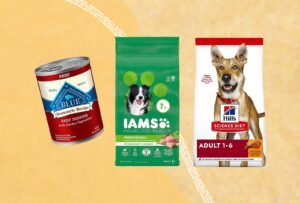
No single food brand is best for all dogs because nutritional needs vary by age, size, and health status. The right choice depends entirely on your dog’s specific life stage and any diagnosed medical conditions requiring prescription diets.
Best dog food brands at a glance
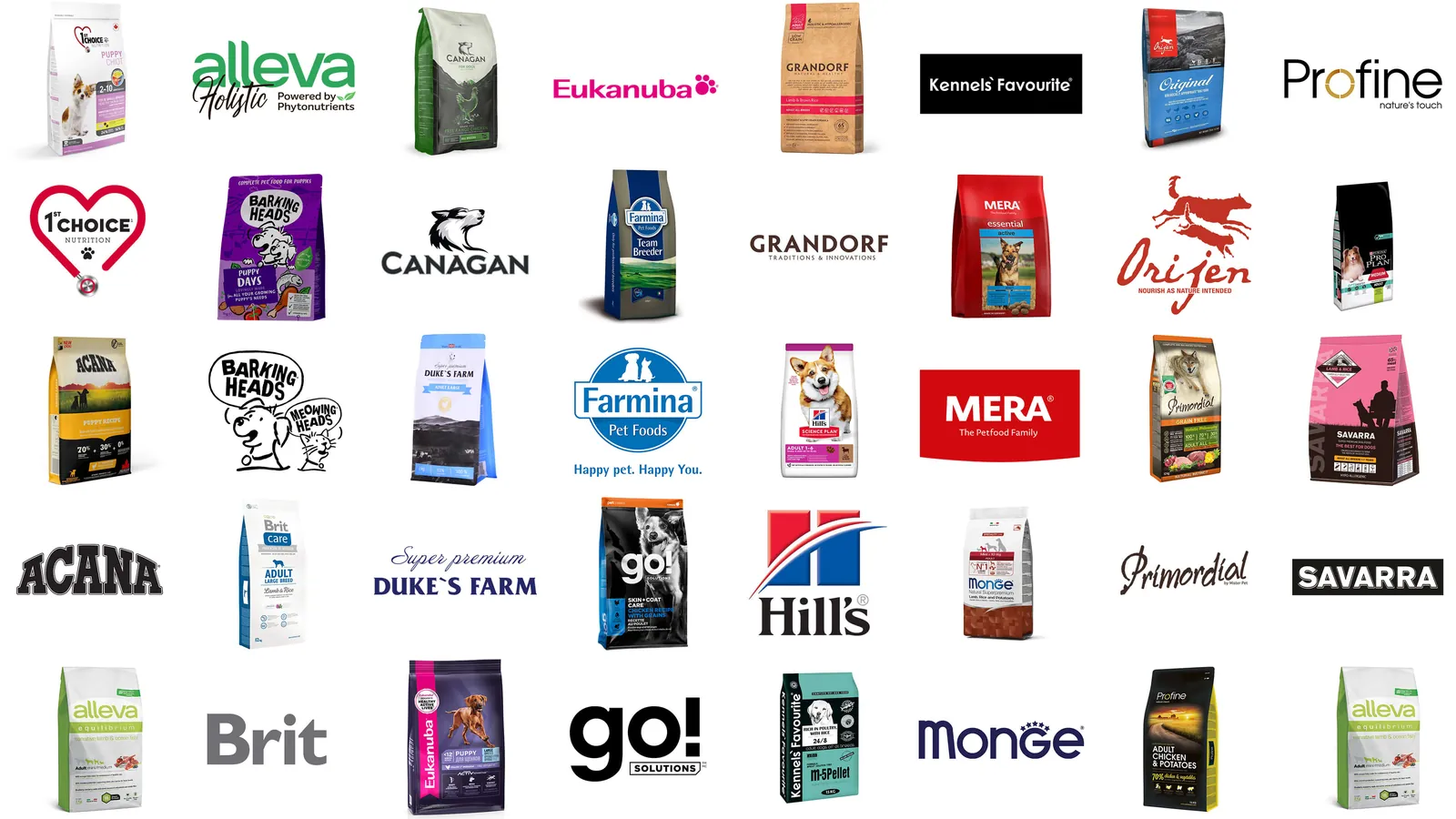
- Hill’s Science Diet meets AAFCO nutrient profiles for all life stages with feeding trials.
- Royal Canin offers breed-specific and veterinary prescription formulas backed by clinical research.
- Purina Pro Plan provides performance and sensitive skin options with guaranteed analysis labels.
- Blue Buffalo Life Protection includes named meat meals and avoids artificial preservatives.
- Orijen Original uses fresh regional ingredients with high protein ratios for active adults.
- Check the label for an AAFCO statement matching your dog’s current life stage.
Why brand quality varies so much
Dog food quality differs because manufacturers use varying ingredient standards and testing protocols. Some companies conduct actual feeding trials on live animals to prove nutritional adequacy, while others only formulate recipes to meet nutrient profiles on paper. Feeding trials catch bioavailability issues that lab analysis misses, ensuring nutrients are actually absorbed rather than just present in the mix.
Regulatory oversight sets minimum safety floors but doesn’t guarantee optimal nutrition for every individual animal. The FDA regulates pet food labeling to ensure truthful claims and safe manufacturing practices. However, premium brands often exceed these baselines through stricter sourcing controls and third-party audits. This variation means two foods can legally claim “complete and balanced” while delivering vastly different real-world results for digestion, coat health, and energy levels.
When standard brands aren’t enough
Most healthy adult dogs thrive on commercial diets, but specific conditions require specialized nutrition plans. If your dog has allergies, kidney disease, or obesity, do A; if they’re healthy and active, do B. Generic advice fails here because medical needs override general brand rankings.
| Situation | What changes | What to do instead |
|---|---|---|
| Food allergies | Protein source triggers reactions | Use hydrolyzed or novel protein prescription diet |
| Kidney disease | Phosphorus restriction needed | Feed veterinary renal support formula |
| Puppy growth | Higher calcium-phosphorus ratio | Choose large-breed puppy specific formula |
| Senior dogs | Lower calorie density required | Switch to senior or weight management diet |
| Working dogs | Double energy expenditure | Select performance formula with higher fat |
| Pancreatitis history | Fat intolerance present | Use ultra-low fat therapeutic diet |
How to evaluate dog food labels
- Locate the AAFCO statement confirming the food is complete and balanced for your dog’s life stage.
- Identify the first three ingredients to ensure named animal proteins appear before starches or fillers.
- Compare guaranteed analysis percentages for crude protein and fat against your dog’s activity level needs.
- Check caloric content per cup to calculate accurate portions based on your dog’s ideal body weight.
- Verify the manufacturer conducts feeding trials rather than relying solely on formulation calculations.
- Look for a lot number and expiration date to confirm traceability and freshness standards.
- Consult your veterinarian to validate the selection matches your dog’s health records and bloodwork.
Common mistakes when choosing food
- Ignoring the AAFCO statement leads to nutritional deficiencies over time regardless of marketing claims.
- Overfeeding based on cup measurements causes obesity because calorie density varies significantly between brands.
- Switching foods too quickly triggers gastrointestinal upset instead of allowing proper digestive adaptation periods.
- Prioritizing grain-free labels without medical reason risks taurine deficiency linked to heart disease.
- Trusting front-package marketing over ingredient lists results in paying premiums for inferior nutritional value.
Frequently asked questions
Is grain-free dog food safe?
Yes, unless your dog has a diagnosed grain allergy or your vet advises otherwise. Most dogs digest grains well, and avoiding them unnecessarily may increase dilated cardiomyopathy risk. Only choose grain-free if a specific intolerance exists and your veterinarian confirms it’s appropriate.
How long does dog food stay fresh?
Unopened dry kibble lasts 12-18 months from manufacture date when stored properly. Opened bags should be consumed within four weeks to prevent fat oxidation. Always check the printed expiration date and store in a cool, dry place away from direct sunlight.
Can I mix two different dog food brands?
Yes, but transition gradually over seven to ten days to avoid digestive upset. Mix increasing amounts of new food with decreasing old food daily. Sudden switches commonly cause diarrhea, vomiting, or appetite loss even when both foods are individually suitable.
Does expensive dog food mean better quality?
Not always, though premium pricing often reflects higher-quality ingredients and feeding trials. Price alone doesn’t guarantee nutritional superiority for your specific dog. Evaluate the AAFCO statement, ingredient list, and your dog’s individual response rather than assuming cost equals quality.
What happens if my dog eats the wrong life stage food?
Puppies fed adult food risk developmental bone disorders from insufficient calcium and phosphorus ratios. Adults eating puppy food often gain excess weight due to higher calorie density. Seniors on maintenance diets may miss joint-supporting nutrients. Always match the food’s stated life stage to your dog.
How do I know if my dog’s food is working?
Monitor stool quality, energy levels, coat condition, and body weight over four to six weeks to assess nutritional fit. Consistent firm stools, shiny coat, stable ideal weight, and normal energy indicate success, while persistent loose stools, dull fur, or unexplained weight changes signal the need for adjustment.
Conclusion
Talk with your vet about what’s in your dog’s bowl today. They’ll help you spot gaps and pick something that fits your pet’s real needs. You don’t have to figure this out alone, and a quick chat can make mealtime much healthier.