

No public list exists of dog food brands using 4D meat because manufacturers aren’t required to disclose it, though products listing generic meat by-products or animal digest without naming the species may contain such material, while premium brands specifying named muscle meats typically avoid these ingredients entirely.
Identifying 4D Meat in Dog Food
- Labels listing generic “meat” or “by-products” without a named species may contain 4D material
- Products specifying “chicken meal” or “beef muscle” exclude 4D sources by definition
- Federal regulations permit rendered 4D meat in pet food but ban it from human grocery channels
- Rendering plants process dead, dying, diseased, and disabled animals into generic protein meals
- Price points significantly below premium benchmarks often signal rendered protein inclusion over fresh meat
- Third-party testing seals verify ingredient quality when label language remains vague or ambiguous
Why 4D Meat Is Allowed
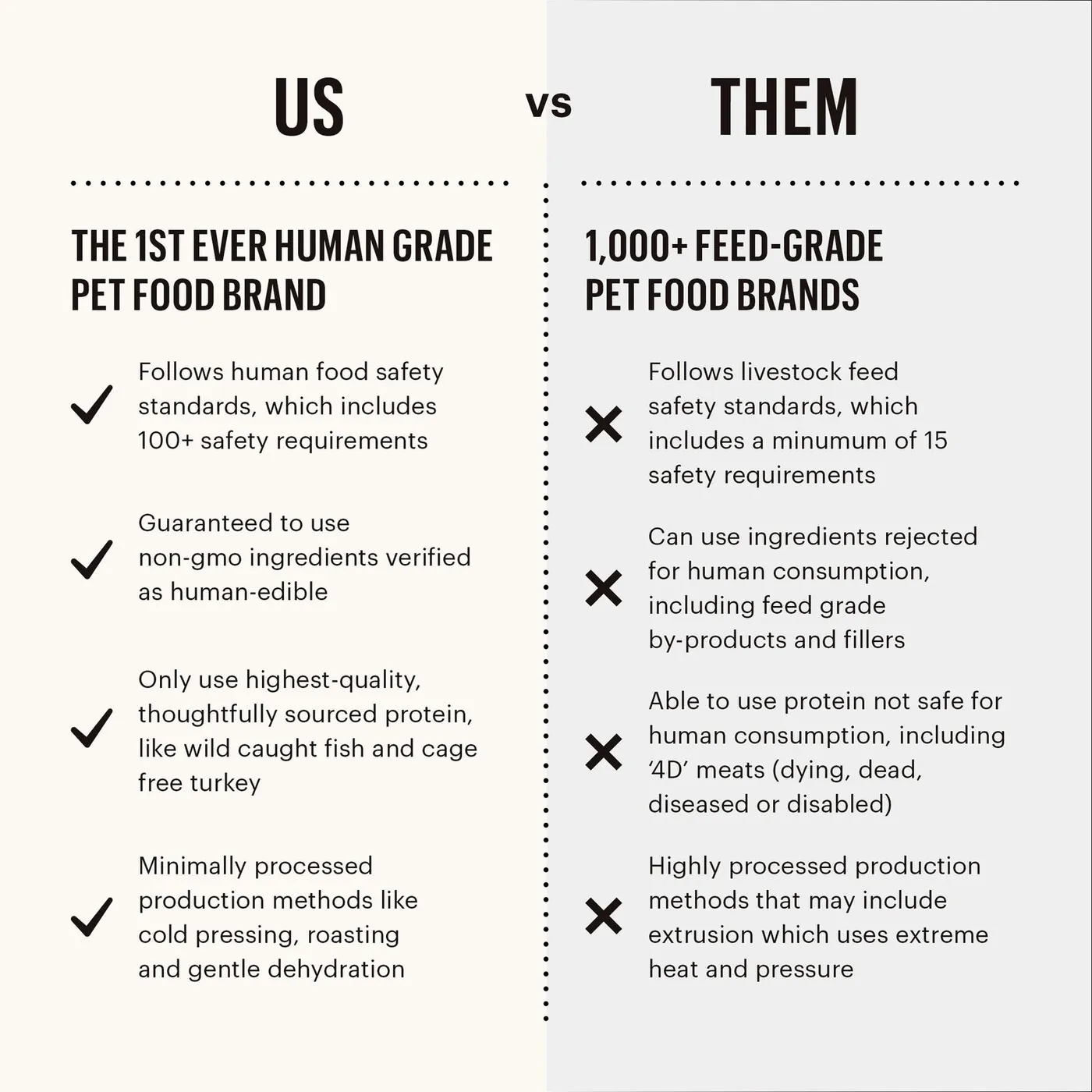
Federal regulations distinguish sharply between human food safety standards and animal feed requirements. The FDA permits meat from dead, dying, diseased, or disabled animals in pet food because rendering processes are designed to destroy pathogens through high heat treatment. This legal distinction means manufacturers can legally source cheaper protein streams that would be condemned at human slaughterhouses.
Generic label terms create intentional ambiguity for consumers reading ingredient panels. When a package lists “meat by-products” without specifying chicken, beef, or lamb, the AAFCO official definitions allow that term to include any mammalian tissue regardless of pre-slaughter health status.
Cost pressure drives this sourcing decision more than nutritional intent. Rendered 4D protein costs significantly less than inspected muscle meat, allowing budget brands to maintain protein percentages while reducing production expenses. Your dog’s bowl reflects this economic trade-off directly on every label you read.
When Generic Labels Mean Something Else

| Situation | What changes | What to do instead |
|---|---|---|
| Named species meal listed | Source is inspected livestock | Safe choice for most dogs |
| Generic meat by-products | Species and health status unknown | Avoid if concerned about 4D |
| Animal digest on label | Enzymatically processed unspecified tissue | Check manufacturer’s sourcing policy |
| Fresh named meat first | Higher quality protein source present | Verify meal position in list |
| Vegetarian or vegan formula | No animal tissue included | Eliminates 4D risk entirely |
| Human-grade claim on package | All ingredients meet human standards | Strongest guarantee against 4D |
Reading Labels to Avoid 4D Ingredients
- Scan the first five ingredients for named species like “chicken,” “salmon,” or “lamb” rather than generic “meat” or “poultry” terms that hide source identity
- Check for specific meal designations such as “beef meal” or “turkey meal,” which require inspected animals unlike unqualified “meat meal” that permits 4D material
- Look for “human-grade” claims verified by third parties, as this designation requires all ingredients to pass human food safety inspection standards throughout processing
- Avoid products listing “animal fat,” “animal digest,” or “bone meal” without species specification since these generic terms legally encompass rendered 4D tissues
- Contact manufacturers directly asking whether their protein sources come from USDA-inspected facilities, as companies avoiding 4D typically publish written sourcing guarantees
- Compare price per pound against premium benchmarks, since formulas costing significantly less almost certainly rely on rendered proteins to hit target margins
Label Mistakes That Hide 4D Content
- Assuming “natural” means 4D-free when the term only restricts artificial preservatives and colors, not protein source quality or animal health status before slaughter
- Trusting front-package marketing claims like “real meat” while ignoring the ingredient panel where generic by-products still appear in positions two through five
- Confusing “meat meal” with named species meals, missing that both unqualified and named-species meals can legally include rendered 4D animals
- Believing higher protein percentages indicate better quality when cheap rendered 4D protein inflates crude protein numbers without providing superior amino acid profiles
- Overlooking country-of-origin labels where regulatory enforcement varies significantly, assuming domestic manufacturing guarantees inspected protein sources when imported ingredients may bypass equivalent oversight
Frequently asked questions
Is 4D meat safe for dogs to eat?
Yes, when properly rendered according to federal processing standards that destroy pathogens through sustained high heat. Safety depends entirely on adequate thermal treatment during rendering, not the animal’s condition before death. Dogs with compromised immune systems may benefit from avoiding rendered proteins regardless of regulatory compliance.
Does grain-free dog food avoid 4D meat?
No, grain-free status relates only to carbohydrate sources and says nothing about protein quality or origin. Many grain-free formulas still use generic meat meals or by-products containing 4D material. You must check the protein ingredients specifically, not the starch components, to determine 4D presence.
How can I verify a brand’s protein sourcing?
Contact the manufacturer directly requesting written confirmation that all animal proteins come from USDA-inspected facilities. Reputable companies provide documentation or publish sourcing policies on their websites. Brands unable or unwilling to confirm inspected-meat-only sourcing likely use rendered 4D proteins in their formulations.
Are expensive dog foods always 4D-free?
Not always, though premium pricing correlates strongly with named-species proteins from inspected sources. Some mid-tier brands charge premium prices while still using generic by-products. Price alone isn’t proof; only explicit species naming or human-grade certification reliably excludes 4D material from the formula.
What happens if my dog eats 4D meat?
Most healthy dogs experience no immediate issues when consuming properly rendered 4D protein. Nutritional adequacy depends on the final nutrient profile meeting established standards, not ingredient origin. Long-term health impacts remain unstudied specifically for 4D versus inspected protein, making individual veterinary guidance valuable for concerned owners.
Do organic dog foods contain 4D meat?
Organic certification prohibits 4D meat because organic livestock standards require animals to be healthy at slaughter and prohibit dead animal processing. USDA organic seal holders must document compliant sourcing throughout their supply chain. Non-certified products using “organic” loosely may not meet these restrictions.
Can puppies safely eat food with 4D meat?
Puppies can consume properly rendered 4D protein if the formula meets AAFCO growth nutrition standards. However, developing immune systems may benefit from higher-quality inspected proteins with more consistent nutrient bioavailability. Consult your veterinarian about whether premium protein sources warrant the additional cost during critical developmental stages.
Conclusion
Choosing dog food involves balancing budget constraints against ingredient transparency, and your comfort level with rendered proteins determines where that line falls. Read every label yourself rather than trusting marketing language, verify claims through direct manufacturer contact when uncertain, and adjust your selection as your dog’s health needs or your own priorities shift over time.