
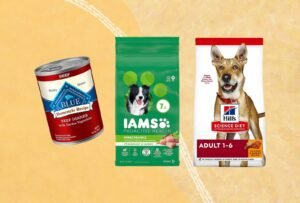
Good dog food brands consistently earn high marks from veterinarians and nutritionists, including Purina Pro Plan, Hill’s Science Diet, Royal Canin, Blue Buffalo, and Orijen. The right choice depends on your dog’s age, size, and health needs. A formula backed by feeding trials and formulated by board-certified veterinary nutritionists will always outperform a bag chosen solely for its marketing or trendy ingredients.
Key Takeaways
- Look for an AAFCO nutritional adequacy statement on the packaging to confirm the food meets baseline dietary standards.
- Prioritize brands that employ full-time board-certified veterinary nutritionists rather than relying only on outside consultants.
- Match the formula to your dog’s specific life stage: puppy, adult maintenance, or senior.
- Large breed puppies require specialized calcium-to-phosphorus ratios to protect their developing joints.
- Transition to any new diet gradually over seven to ten days to prevent gastrointestinal upset.
- Price doesn’t always equal quality; mid-tier brands with rigorous testing often outperform expensive boutique options.
What Brands of Dog Food Are Good?
When evaluating what brands of dog food are good, focus on companies that invest heavily in research and quality control. The following manufacturers consistently meet strict nutritional standards and maintain strong safety records.
| Brand | Best For | Notable Feature |
|---|---|---|
| Purina Pro Plan | Overall health | Extensive feeding trials |
| Hill’s Science Diet | Sensitive stomachs | Veterinary recommended |
| Royal Canin | Breed-specific needs | Precision nutrition profiles |
| Blue Buffalo | Natural ingredients | LifeSource Bits antioxidant blend |
| Orijen | High protein diets | Whole prey ratios |
These brands formulate their recipes using scientific data rather than following passing market trends. They also conduct rigorous safety testing before products reach store shelves.
How Do I Read Dog Food Labels?
Decoding a pet food label is the most reliable way to assess quality. The ingredient list is ordered by weight before processing, meaning fresh meats appear higher simply because they contain water.
Pro Tip: Don’t judge a food solely by the first three ingredients. A meat meal (like chicken meal) is actually more nutrient-dense than fresh chicken because the moisture has been removed.
Look closely at the guaranteed analysis panel. This section lists minimum percentages of crude protein and fat, alongside maximum percentages of crude fiber and moisture. Compare these numbers against the requirements for your dog’s specific life stage.
Understanding AAFCO Statements
The Association of American Feed Control Officials sets nutrient profiles for pet foods. An AAFCO statement confirms whether a diet is complete and balanced. There are two ways a brand can earn this designation: through laboratory formulation matching nutrient profiles, or through actual animal feeding trials. Feeding trials offer stronger proof of digestibility and long-term health outcomes. You can review official nutrient requirements for dogs directly through the organization’s published guidelines.
Should I Choose Grain-Free Dog Food?
Grain-free diets became popular due to misconceptions about canine allergies. However, grains like brown rice, oats, and barley provide essential energy and fiber. True grain allergies in dogs are exceptionally rare compared to protein allergies like beef or dairy.
Warning: The FDA has investigated a potential link between certain grain-free diets—specifically those relying heavily on peas, lentils, and potatoes—and dilated cardiomyopathy (DCM), a serious heart condition. Unless your veterinarian diagnoses a specific grain allergy, a traditional grain-inclusive diet remains the safer choice for most dogs.
Which Foods Suit Different Life Stages?

Puppies, adults, and seniors have vastly different metabolic demands. Feeding an all-life-stages formula is acceptable, but targeted nutrition yields better results.
| Life Stage | Protein Need | Caloric Density | Key Nutrient Focus |
|---|---|---|---|
| Puppy | High (22%+) | Dense | DHA for brain development |
| Adult | Moderate (18%+) | Standard | Balanced maintenance |
| Senior | Moderate/High | Lower | Joint support (glucosamine) |
Large breed puppies need strictly controlled calcium levels to prevent skeletal disorders. Always select a formula explicitly labeled for your dog’s current size and age bracket.
Is Wet or Dry Food Better?
Both kibble and canned food can be nutritionally complete. Dry food offers convenience, lower cost per serving, and may help reduce tartar buildup through mechanical chewing action. Canned food provides significantly higher moisture content, which benefits dogs prone to urinary issues or those who drink insufficient water. Many owners successfully feed a mixed diet, combining the dental benefits of kibble with the hydration and palatability of wet food.
How Much Should Quality Dog Food Cost?
Budgeting for premium nutrition prevents future veterinary bills. Prices vary based on ingredient sourcing and manufacturing processes.
| Tier | Estimated Cost Per Pound | Examples |
|---|---|---|
| Budget | $1.50 – $3.00 | Purina ONE, Pedigree |
| Mid-Range | $3.00 – $6.00 | Hill’s, Blue Buffalo |
| Premium | $6.00 – $10.00+ | Orijen, Open Farm |
Mid-range options frequently offer the best balance of rigorous scientific testing and affordability. Expensive boutique brands don’t automatically guarantee superior nutritional value.
When Should I Consult a Veterinarian?
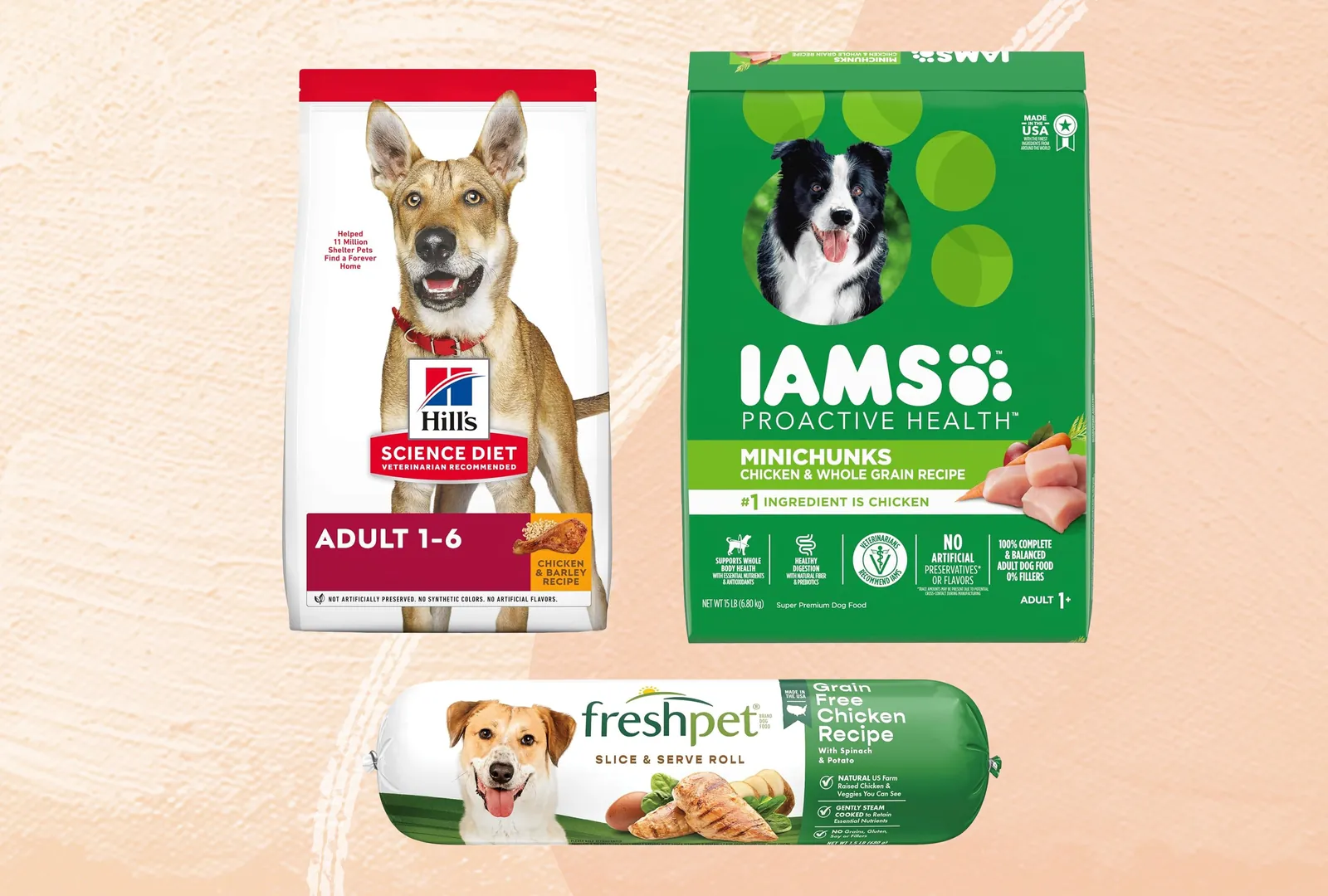
If your dog suffers from chronic ear infections, excessive itching, or persistent digestive upset, consult a professional before switching foods. These symptoms often indicate underlying medical issues rather than simple dietary intolerance. A veterinarian can recommend a therapeutic diet or perform elimination trials to identify specific allergens. Never attempt to treat severe medical conditions with over-the-counter food changes alone.
Frequently Asked Questions
What is the healthiest dog food brand?
There’s no single healthiest brand. Purina Pro Plan, Hill’s Science Diet, and Royal Canin are widely considered top choices because they employ full-time veterinary nutritionists and conduct extensive feeding trials to validate their formulas.
Is expensive dog food always better?
No. Price reflects marketing and ingredient sourcing, not necessarily nutritional science. Mid-tier brands backed by rigorous testing often provide superior nutrition compared to costly boutique brands lacking scientific validation.
Can I mix different dog food brands?
Yes, but transition slowly over seven to ten days. Mixing abruptly can cause gastrointestinal upset. Ensure both foods meet AAFCO standards for your dog’s specific life stage to prevent nutrient imbalances.
Are raw diets safe for dogs?
Raw diets carry significant risks of bacterial contamination like Salmonella and E. coli for both pets and humans. Major veterinary organizations generally advise against them due to nutritional imbalance risks and public health concerns.
How do I know if my dog likes their food?
A dog eating enthusiastically, maintaining a healthy weight, producing firm stools, and exhibiting a shiny coat indicates satisfaction and proper digestion. Persistent refusal to eat warrants a veterinary evaluation.
Do small breeds need special food?
Yes. Small breeds have faster metabolisms and smaller jaws. Kibble designed for small dogs features appropriately sized pieces and higher caloric density to meet their rapid energy expenditure without requiring massive meal volumes.
Conclusion
Take your dog’s current weight, age, and activity level to your next veterinary appointment. Ask your vet to recommend a specific formula from a reputable brand, then transition your dog’s meals gradually over the next week to ensure smooth digestion.