
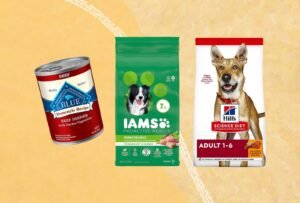
No single brand is universally the healthiest, but formulas from Purina Pro Plan, Hill’s Science Diet, and Royal Canin consistently meet the highest nutritional standards because they employ full-time veterinary nutritionists. The best choice depends entirely on your dog’s age, size, and medical history rather than marketing claims about ancestral diets or exotic proteins.
Key Takeaways
- Look for an AAFCO nutritional adequacy statement confirming the food meets requirements for your dog’s specific life stage.
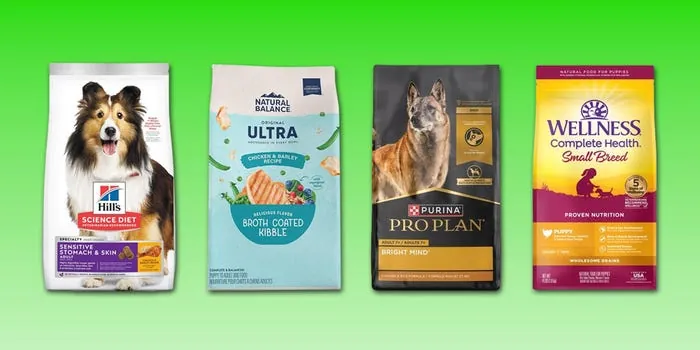
- Prioritize brands like Purina Pro Plan, Hill’s Science Diet, and Royal Canin that employ board-certified veterinary nutritionists.
- Avoid boutique diets containing peas, lentils, or potatoes as primary ingredients until more is known about diet-associated heart disease.
- Consult your veterinarian before switching foods, especially if your dog has allergies, kidney issues, or a sensitive stomach.
- Check that the manufacturer conducts feeding trials rather than relying solely on paper formulation to prove nutritional adequacy.
What Brand of Dog Food Is Healthiest?
The healthiest dog food brands are those backed by rigorous scientific research and formulated by experts. Veterinary professionals widely recommend Purina Pro Plan, Hill’s Science Diet, and Royal Canin. These companies invest heavily in research and employ board-certified veterinary nutritionists to formulate their recipes. Unlike many boutique brands, these manufacturers conduct actual feeding trials to ensure dogs thrive on their diets over time.
How Do You Evaluate Pet Nutrition?
Evaluating pet food requires looking past the ingredient list to the nutritional analysis. The most critical element on any bag is the AAFCO statement. This label confirms whether the food provides complete and balanced nutrition. You should also check how the company validates its recipes. Foods validated through feeding trials are superior to those formulated only by computer modeling, as trials prove real-world digestibility and acceptance by living animals.
Which Brands Meet Veterinary Standards?
Not all pet food companies operate with the same level of scientific rigor. The following table compares top recommended brands based on their nutritional expertise.
| Brand | Veterinary Nutritionists on Staff | Feeding Trials Conducted | Primary Focus |
|---|---|---|---|
| Purina Pro Plan | Yes | Yes | Performance and overall wellness |
| Hill’s Science Diet | Yes | Yes | Clinical and preventative health |
| Royal Canin | Yes | Yes | Breed-specific and targeted nutrition |
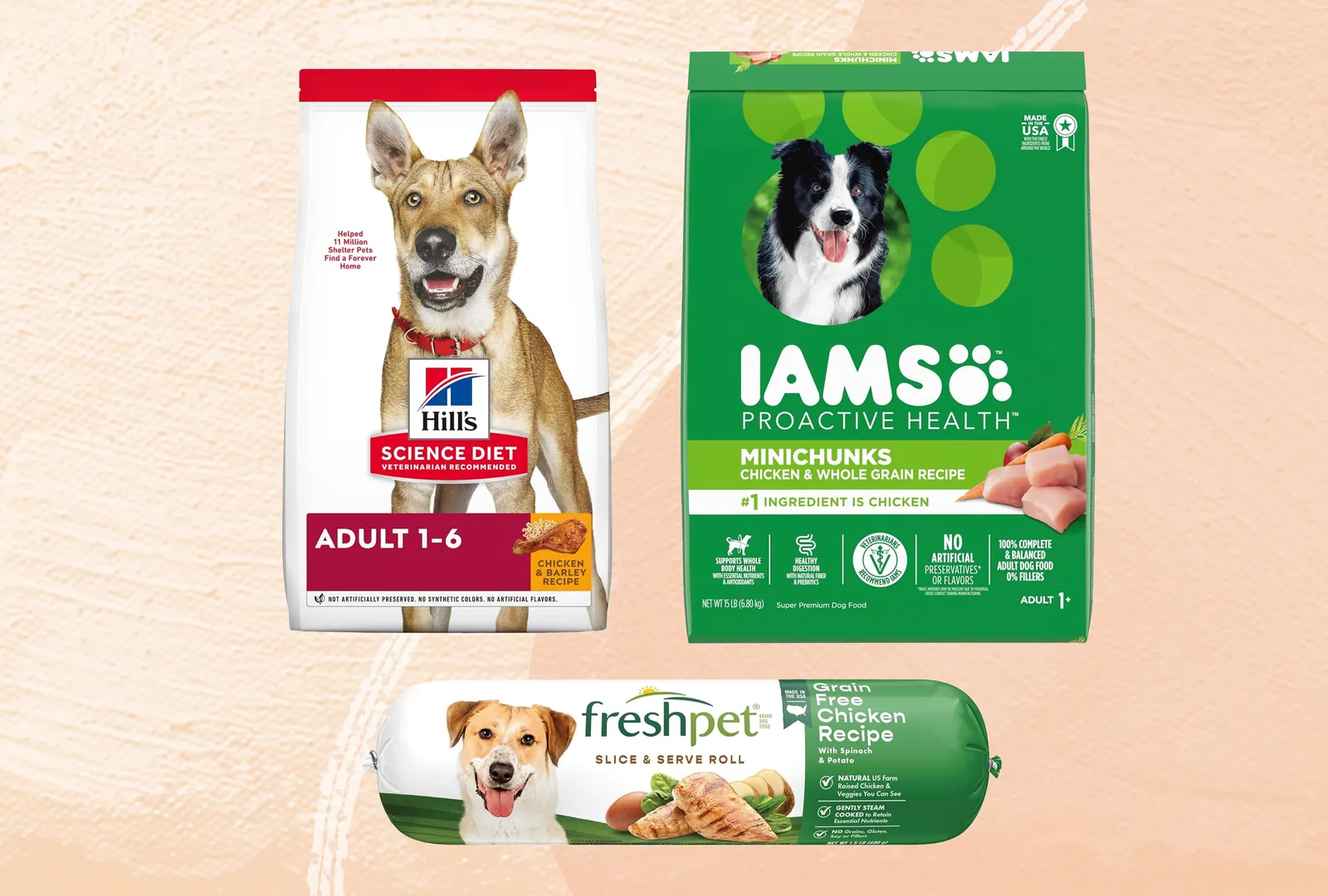
| Iams | Yes | Yes | Everyday maintenance and vitality |
These companies consistently share their research at veterinary conferences, ensuring their formulas reflect current science.
Should You Buy Grain-Free Dog Food?
Many owners assume grain-free means healthier, but this is a dangerous misconception. In 2018, the FDA began investigating reports of dilated cardiomyopathy (DCM) in dogs eating certain grain-free diets. The FDA investigation into DCM highlighted diets where peas, lentils, chickpeas, or potatoes replaced grains. Unless your veterinarian diagnoses a specific grain allergy, which is rare, stick to traditional diets containing wholesome grains like oats or brown rice.
Wet Versus Dry Dog Food Options
Choosing between wet and dry food often comes down to your dog’s hydration needs, dental health, and personal preference. Both formats can be nutritionally complete.
| Feature | Dry Kibble | Canned Wet Food |
|---|---|---|
| Moisture Content | Around 10% | Typically 75% or higher |
| Dental Benefit | Mild abrasive action | None |
| Cost per Serving | Lower | Higher |
| Best For | Healthy adult dogs | Senior dogs or picky eaters |
Kibble is convenient and cost-effective, while canned food helps dogs who need extra hydration or struggle to chew hard pieces.
Are Raw Diets Safe for Dogs?
Raw feeding has gained popularity, but it carries significant risks. Organizations like the AVMA discourage raw diets due to the high risk of bacterial contamination from pathogens like Salmonella and Listeria. These bacteria threaten both the dog and the humans handling the food. Furthermore, homemade raw diets frequently lack essential nutrients unless meticulously formulated by a veterinary nutritionist. Commercial raw diets undergo high-pressure processing to reduce pathogens, but cooked commercial diets remain the safest option for most households.
How to Transition Your Dog’s Food
Switching foods too quickly causes gastrointestinal upset. Always use a gradual transition schedule to let your dog’s microbiome adapt to the new nutrient profile.
| Days | Old Food Ratio | New Food Ratio |
|---|---|---|
| Days 1–2 | 75% | 25% |
| Days 3–4 | 50% | 50% |
| Days 5–6 | 25% | 75% |
| Day 7 | 0% | 100% |
Warning: If your dog develops severe diarrhea or vomiting during the transition, pause the process and consult your veterinarian immediately.
Reading Ingredient Labels Correctly
Ingredient lists are ordered by weight before cooking, which can be misleading. Fresh meat contains roughly 70% water, meaning a chicken-first formula might actually contain less protein from chicken than one listing chicken meal first. Chicken meal is rendered meat with the moisture removed, making it a highly concentrated protein source. Don’t judge a food solely by the first three ingredients; focus instead on the guaranteed analysis showing crude protein, fat, and fiber percentages.
Pro Tip: Look for named fat sources like “chicken fat” or “salmon oil” rather than generic terms like “animal fat,” which offer no transparency regarding quality.
Frequently Asked Questions
Is expensive dog food always better?
No. Price doesn’t guarantee nutritional superiority. Many expensive boutique brands lack the rigorous testing and veterinary expertise behind moderately priced options like Purina Pro Plan or Hill’s Science Diet. Always prioritize scientific backing and AAFCO compliance over premium packaging or trendy marketing buzzwords when selecting a diet.
What dog food do veterinarians recommend most?
Veterinarians most frequently recommend Purina Pro Plan, Hill’s Science Diet, and Royal Canin. These brands employ full-time veterinary nutritionists, conduct extensive feeding trials, and publish peer-reviewed research, ensuring their formulas provide safe, balanced nutrition for dogs across all life stages.
Can I mix different brands of dog food?
Yes, you can mix brands, provided both carry an AAFCO statement for the same life stage. However, mixing drastically different formulations can cause digestive upset. Introduce the second brand slowly using the standard seven-day transition method to prevent sudden gastrointestinal distress.
Are by-products bad for my dog?
No. By-products include nutrient-dense organ meats like liver, lungs, and kidneys, which wild canines naturally consume. High-quality by-products provide excellent vitamins and minerals. The term sounds unappealing to human consumers, but named by-products from reputable manufacturers are safe and highly nutritious components of a balanced canine diet.
How often should I change my dog’s food?
You don’t need to rotate foods routinely if your dog thrives on their current diet. Only switch foods when transitioning between life stages, addressing a new medical condition, or if your veterinarian recommends a different formula to improve your dog’s overall health and digestion.
Conclusion
Start by checking the AAFCO statement on your dog’s current bag of food. If it lacks one, or if you want to upgrade to a scientifically backed formula, schedule a brief consultation with your veterinarian to select the perfect diet for your dog today.