
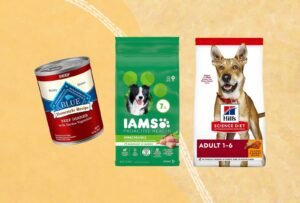
Good dog food brands include Purina Pro Plan, Hill’s Science Diet, Royal Canin, Blue Buffalo, and Wellness. These companies consistently meet the nutritional standards set by veterinary professionals and formulate diets based on scientific research rather than marketing trends. Choosing the right one depends entirely on your dog’s age, size, breed, and specific health conditions.
Key Takeaways
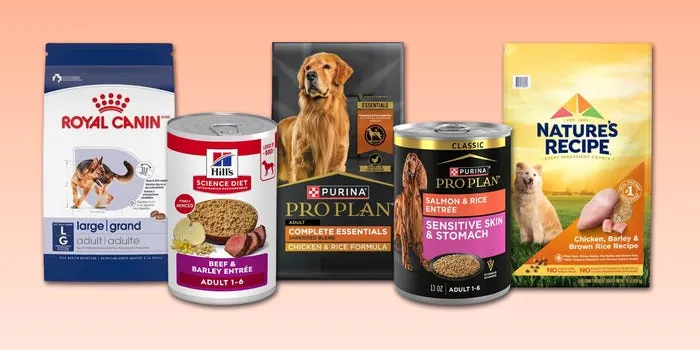
- Brands like Purina Pro Plan, Hill’s Science Diet, and Royal Canin employ full-time veterinary nutritionists to formulate their recipes.
- Always check the label for an AAFCO statement confirming the food is complete and balanced for your dog’s specific life stage.
- Grain-free diets aren’t inherently healthier and have been investigated for potential links to canine heart disease.
- Puppies, adult dogs, and senior dogs require different nutrient profiles, so buy food matched to your dog’s current age.
- Transition to a new food gradually over seven to ten days to prevent gastrointestinal upset.
What Dog Food Brand Is Good?
Finding a reliable brand means looking past flashy packaging. The best options share a common trait: they invest heavily in feeding trials and nutritional research.
Top Recommended Brands
- Purina Pro Plan: Widely recommended by veterinarians for its targeted formulas and extensive feeding trials.
- Hill’s Science Diet: Known for science-backed nutrition and strict quality control protocols.
- Royal Canin: Offers highly specific breed-size and health-condition formulas.
- Blue Buffalo: A popular choice featuring real meat as the first ingredient without poultry by-product meals.
- Wellness CORE: Provides high-protein options for active dogs needing extra muscle support.
How Do I Read Labels?
The ingredient list tells you what is inside the bag, but the guaranteed analysis reveals the actual nutrient percentages. Look for whole proteins like chicken, beef, or salmon listed first. Avoid foods where vague terms like “meat by-products” dominate the top five ingredients. The most critical element on any bag is the nutritional adequacy statement. This confirms the recipe meets established baseline requirements for maintenance or growth.
Should I Avoid Grains?
A few years ago, grain-free diets surged in popularity. However, the FDA launched an investigation into a potential link between certain grain-free diets—specifically those relying heavily on peas, lentils, and potatoes—and dilated cardiomyopathy (DCM) in dogs. You can review the FDA update on diet-related DCM directly on their website. Unless your veterinarian diagnoses a specific grain allergy, standard diets containing wholesome grains like brown rice or oats remain perfectly safe and often preferable.
Comparing Dry And Wet Options
Choosing between kibble and canned food often comes down to your dog’s preference, dental health, and your budget. Many owners successfully mix both formats.
| Feature | Dry Kibble | Wet Canned Food |
|---|---|---|
| Cost per serving | Lower | Higher |
| Dental benefit | Helps reduce tartar | No mechanical cleaning |
| Moisture content | Around 10% | Around 75% |
| Shelf life after opening | Long | Must be refrigerated |
Matching Food To Life Stages
Nutritional needs shift dramatically as dogs age. Feeding an adult maintenance formula to a growing puppy deprives them of essential calcium and phosphorus needed for bone development.
| Life Stage | Primary Nutritional Focus | Example Formula Type |
|---|---|---|
| Puppy | High protein, calcium, DHA | Growth or all-life-stages |
| Adult | Balanced calories, maintenance | Adult maintenance |
| Senior | Joint support, lower calories | Mature or senior specific |
Always verify that the life stage claim on the bag matches your dog’s current phase.
Are Boutique Brands Safe?
Boutique, exotic-ingredient, or grain-free (often grouped as BEG) diets appeal to owners wanting artisanal products. While some boutique brands are excellent, many lack the rigorous feeding trials conducted by larger manufacturers. If you choose a smaller company, verify they employ a board-certified veterinary nutritionist. Transparency regarding who formulates the food and where it’s manufactured is non-negotiable for ensuring long-term safety.
What About Raw Diets?
Raw feeding involves giving uncooked meat, bones, and organs. Advocates claim it mimics ancestral eating habits, resulting in shinier coats and better digestion. However, major veterinary organizations warn about significant risks. Handling raw meat exposes both pets and humans to pathogens like Salmonella and Listeria. If you pursue this route, consult a veterinary nutritionist to ensure the homemade recipe doesn’t lack vital micronutrients. Commercial raw diets undergo high-pressure processing to mitigate some bacterial risks.
How To Switch Foods Safely
Never change your dog’s diet abruptly. Sudden shifts frequently cause vomiting, diarrhea, or refusal to eat. Follow a structured transition schedule to let the gut microbiome adapt.
| Days | Old Food Ratio | New Food Ratio |
|---|---|---|
| Days 1 to 3 | 75% | 25% |
| Days 4 to 6 | 50% | 50% |
| Days 7 to 9 | 25% | 75% |
| Day 10 | 0% | 100% |
Monitor stool consistency daily during this transition period.
When To Consult Your Vet
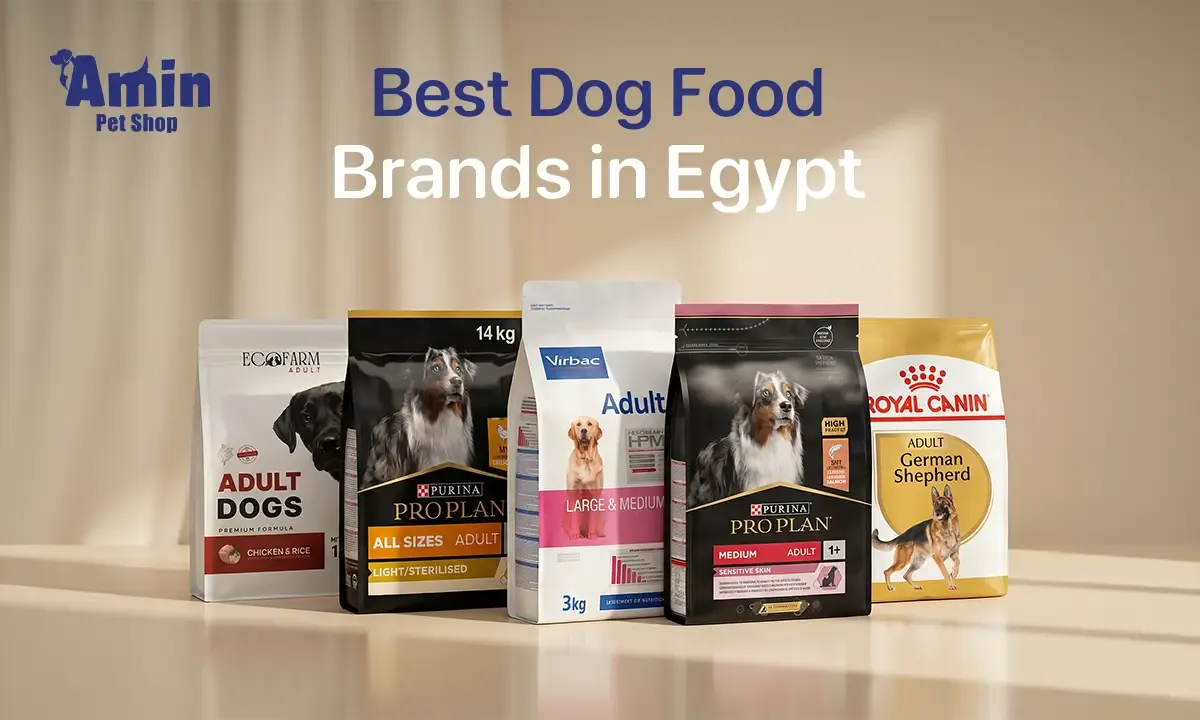
Dietary choices become medical decisions when your dog has underlying health issues. Dogs with kidney disease require restricted phosphorus, while those with pancreatitis need strictly low-fat formulas. Over-the-counter “sensitive stomach” bags rarely address clinical diseases adequately. If your dog suffers from chronic ear infections, excessive itching, or unexplained weight loss, prescription diets from brands like Hill’s Prescription Diet or Royal Canin Veterinary Diet might be necessary.
Frequently Asked Questions
What is the number one vet-recommended brand?
While individual preferences vary among clinics, Purina Pro Plan, Hill’s Science Diet, and Royal Canin are consistently recommended. These three brands employ full-time veterinary nutritionists and conduct extensive peer-reviewed research to validate their formulations before bringing them to market.
Is expensive dog food always better?
No. Price often reflects marketing budgets, exotic ingredients, or packaging rather than nutritional superiority. Mid-priced foods formulated by veterinary nutritionists frequently outperform ultra-premium boutique brands that rely solely on trendy components without conducting proper feeding trials.
How do I know if my dog likes the food?
Watch for enthusiasm at mealtime, consistent eating habits, firm stools, a shiny coat, and steady energy levels. If your dog constantly leaves food in the bowl, experiences gas, or scratches excessively, the current formula likely doesn’t agree with their digestive system.
Can I mix two different dog food brands?
Yes, provided both foods are formulated for the same life stage and you introduce the second brand gradually. Mixing a puppy food with a senior formula creates dangerous nutrient imbalances. Stick to combining similar profiles to maintain dietary consistency.
Are by-products bad for dogs?
Not necessarily. Organ meats classified as by-products, such as liver and lungs, are incredibly nutrient-dense. The concern arises when “by-products” refers to undefined, low-quality remnants. Reputable brands clearly define their animal by-product sources and maintain strict quality controls.
How much food should I feed my dog daily?
Follow the feeding chart printed on the bag as a starting point, then adjust based on your dog’s body condition score. Active working dogs need more calories, while neutered indoor pets typically require less to prevent obesity.
Conclusion
Take your dog’s current weight, age, and activity level, then compare those factors against the top brands mentioned here. Schedule a brief appointment with your veterinarian to confirm your selection aligns with your pet’s specific health history before buying your next bag.