
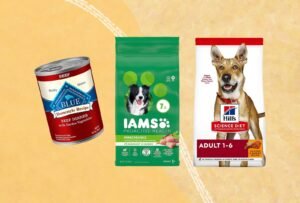
The best brand of dog food is the one that meets AAFCO nutrient profiles for your dog’s specific life stage and has undergone feeding trials, with top veterinary-recommended options including Purina Pro Plan, Royal Canin, Hill’s Science Diet, and Iams.
Key Takeaways
- Prioritize brands employing board-certified nutritionists who formulate diets based on scientific research rather than marketing trends or ingredient fads.
- Verify the label states the food meets AAFCO nutrient profiles through actual feeding trials, not just formulation calculations.
- Match the food to your dog’s specific life stage, as puppy, adult, senior, and therapeutic needs differ significantly in caloric density and nutrients.
- Avoid selecting foods based solely on ingredient lists, since nutrient bioavailability matters far more than recognizable whole food names.
- Transition gradually over seven to ten days to prevent gastrointestinal upset when changing brands or formulas.
- Consult your veterinarian before choosing therapeutic diets, as these require medical justification and professional monitoring.
What Brand of Food Is Best for Dogs
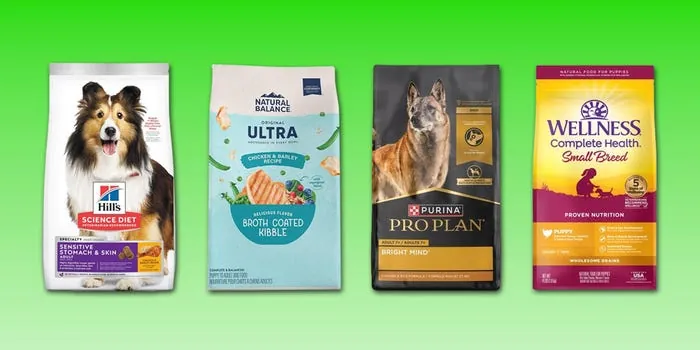
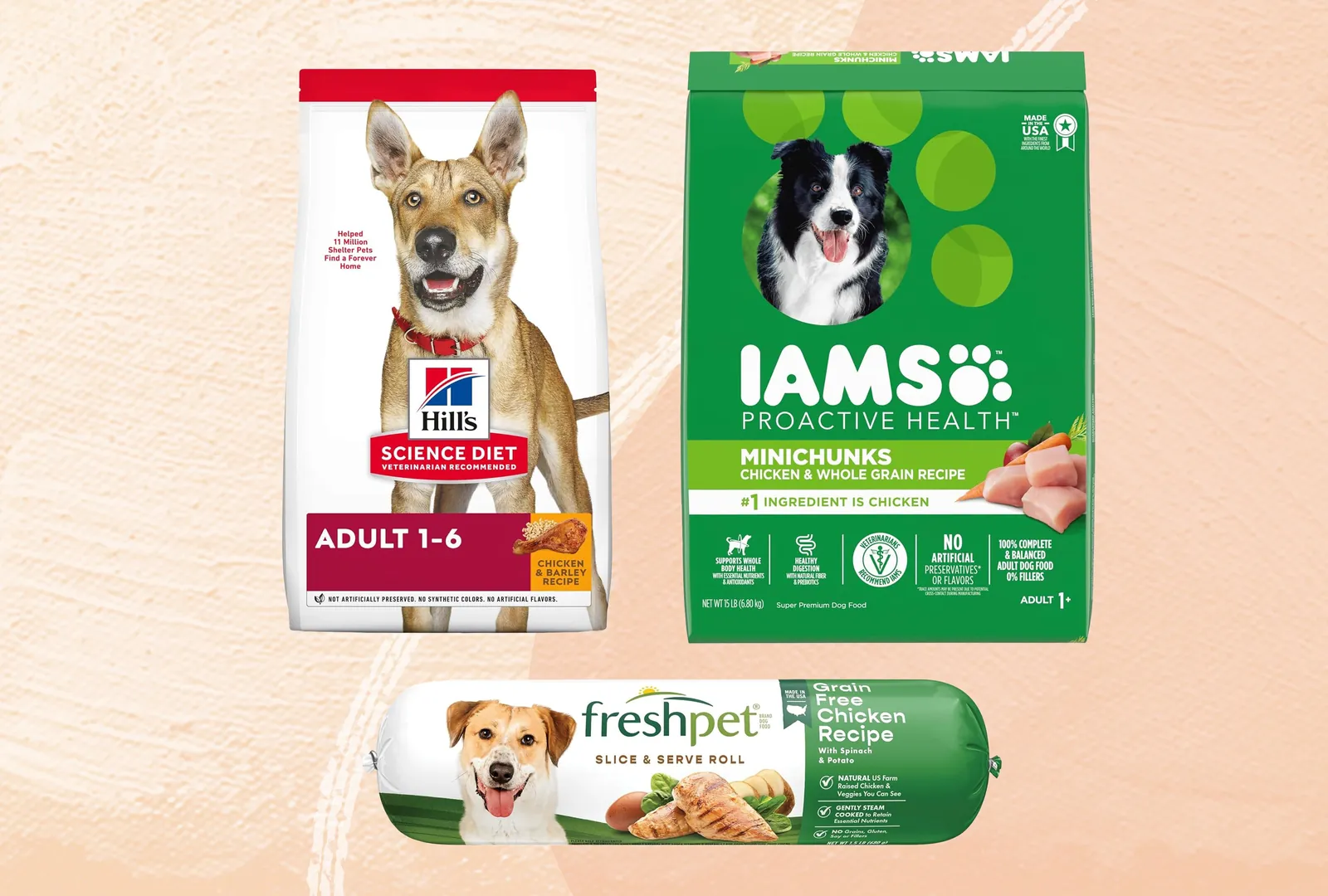
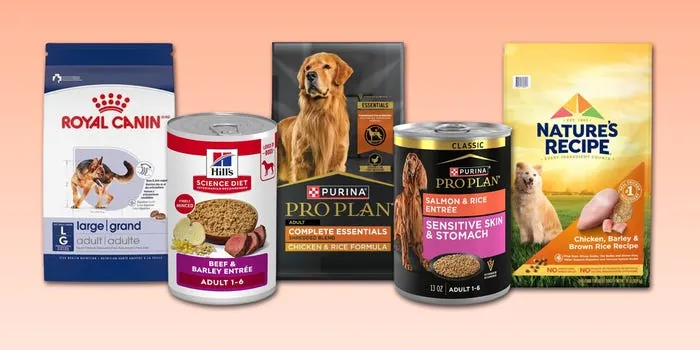
Selecting the optimal brand requires evaluating nutritional adequacy statements, manufacturer quality control, and veterinary consensus. The four most consistently recommended brands by veterinarians are Purina Pro Plan, Royal Canin, Hill’s Science Diet, and Iams because they invest heavily in nutritional research and maintain stringent manufacturing standards.
Evaluating Nutritional Adequacy Statements
Every compliant dog food must display an AAFCO statement indicating how nutritional adequacy was determined. The Association of American Feed Control Officials establishes these AAFCO nutrient profiles annually, ensuring minimum standards for protein, fat, vitamins, and minerals across all life stages.
Comparing Top Recommended Brands
| Brand | Primary Strength | Price Range (30lb Bag) | Notable Product Lines |
|---|---|---|---|
| Purina Pro Plan | Extensive research portfolio | $55–$75 | Sport, Focus, Veterinary Supplements |
| Royal Canin | Breed and size specificity | $65–$90 | Size Health Nutrition, Breed Health |
| Hill’s Science Diet | Therapeutic diet expertise | $60–$85 | Adult, Puppy, Prescription Diet |
| Iams | Affordable complete nutrition | $40–$55 | ProActive Health, Mini Chunks |
Understanding Life Stage Requirements
Nutritional needs shift dramatically throughout a dog’s lifespan, making life stage matching essential for long-term health. Large-breed puppies specifically require controlled calcium-to-phosphorus ratios to prevent developmental orthopedic diseases like hip dysplasia.
Recognizing Special Dietary Needs
Dogs with diagnosed conditions such as kidney disease, pancreatitis, or food allergies require prescription diets formulated to manage clinical signs.
Decoding Ingredient Lists Effectively
Ingredient lists are ordered by weight before processing, so high-moisture ingredients like fresh meat appear first despite contributing less actual protein than concentrated meals. Nutrient analysis provides more meaningful information than ingredient order alone, as dogs require specific amino acids and fatty acids regardless of source.
Warning: Grain-free diets containing legumes, potatoes, or sweet potatoes as primary ingredients have been associated with dilated cardiomyopathy in dogs without genetic predisposition. The FDA continues investigating this potential link, and most veterinary cardiologists now recommend grain-inclusive diets unless a true grain allergy is confirmed through diagnostic testing.
Assessing Manufacturer Quality Standards
Reputable manufacturers own their production facilities, conduct regular nutrient testing of finished products, and maintain traceability systems for rapid recalls if contamination occurs. Transparency about sourcing, testing frequency, and corrective actions during recalls indicates genuine commitment to safety rather than reactive public relations management.
Transitioning Foods Safely
Sudden diet changes commonly cause gastrointestinal upset. Transition gradually over seven to ten days. Consistency in feeding times and portion measurement supports successful adaptation regardless of the brand selected.
Recommended Transition Schedule
| Days | Old Food Percentage | New Food Percentage | Monitoring Focus |
|---|---|---|---|
| 1–3 | 75% | 25% | Appetite acceptance |
| 4–6 | 50% | 50% | Stool consistency |
| 7–9 | 25% | 75% | Energy levels |
| 10+ | 0% | 100% | Long-term tolerance |
Frequently Asked Questions
How often should I change my dog’s food brand?
There’s no nutritional benefit to rotating brands regularly if your dog thrives on their current diet. Frequent switching increases gastrointestinal upset risk and makes identifying true food intolerances difficult. Change only when life stage requirements shift, health conditions develop, or the current food becomes unavailable. Consistency supports digestive stability and simplifies monitoring for adverse reactions or declining health indicators over time.
Are expensive dog foods always better quality?
Price doesn’t reliably predict nutritional adequacy or safety. Premium pricing often reflects marketing costs, specialty ingredients, or retail positioning rather than superior nutrient bioavailability. Mid-tier brands from established manufacturers frequently match or exceed boutique options in feeding trial validation and quality control. Evaluate AAFCO statements, manufacturer credentials, and veterinary recommendations instead of price tags when determining true value for your dog’s specific needs.
Can I trust online dog food reviews?
Online reviews reflect individual experiences and can’t substitute for nutritional science or veterinary assessment. Palatability preferences vary enormously between dogs, and negative reviews often stem from improper transitions or unrealistic expectations. Positive reviews may result from placebo effects or concurrent management changes. Use reviews only to identify common complaints about packaging defects or customer service, never as primary evidence of nutritional merit or safety.
What if my dog refuses the recommended brand?
Palatability varies individually, so refusal doesn’t indicate nutritional inferiority. Try alternative flavors or textures within the same reputable brand family before abandoning scientifically validated options. Warming food slightly, adding low-sodium broth, or using puzzle feeders can improve acceptance. If refusal persists across multiple appropriate brands, consult your veterinarian to rule out dental disease, nausea, or other medical causes of inappetence before assuming pickiness.
Do raw or homemade diets outperform commercial foods?
Properly formulated raw or homemade diets can be nutritionally complete but carry significant risks of pathogen contamination and nutrient imbalances without expert guidance. Most homemade recipes published online fail to meet AAFCO standards when analyzed. Commercial foods undergo mandatory testing and feeding trials that homemade diets rarely receive. If pursuing alternative diets, work exclusively with a board-certified veterinary nutritionist to ensure safety and adequacy for your individual dog.
Conclusion
Schedule a consultation with your veterinarian to review your dog’s current body condition score, health history, and lifestyle factors before purchasing any new food. Bring photos of your current food label and recent stool samples to facilitate personalized recommendations aligned with your dog’s unique nutritional requirements and your household budget constraints.