
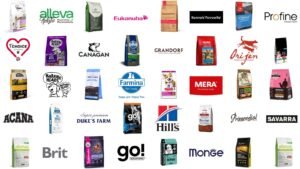
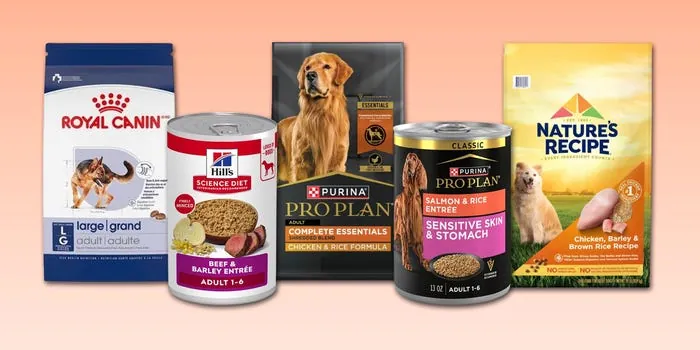
No single company wins every time, but the best dog food brand depends on your dog’s age, size and health. Purina Pro Plan, Hill’s Science Diet and Royal Canin consistently meet the nutrient profiles set by the Association of American Feed Control Officials (AAFCO). Pick the formula that matches your dog’s life stage.
Picking the best brand of dog food
You don’t just grab a bag off the shelf.
- Check the AAFCO statement on the back of the bag. It must say the food is “complete and balanced” for your dog’s specific life stage, like growth or adult maintenance.
- Look at the guaranteed analysis panel for minimum protein and fat percentages. Puppies generally need at least 22% protein, while adult dogs need around 18%, according to AAFCO guidelines.
- If your dog has allergies, pick a limited-ingredient diet with a single protein source like salmon or lamb. Don’t guess which ingredient causes the itch; ask your vet first.
- Buy the smallest bag available when trying a new formula. Switch slowly over seven days, mixing 25% new food with 75% old food, then half and half, to prevent diarrhea.
- Weigh your dog every two weeks after switching. If they gain weight fast, cut the daily portion by 10%; if ribs become visible, add 10%.
Tip: Don’t trust the feeding chart on the bag blindly. Those amounts assume an average activity level. If your dog sleeps all day, start at the lower end of the range.
If your dog has kidney disease, diabetes or severe allergies, a grocery-store brand isn’t enough. That requires a prescription diet managed by a veterinary nutritionist.
How long switching dog food takes
A safe switch protects your dog’s stomach. These timelines assume a healthy adult dog.
| Situation | How long | What changes it | What to watch for |
|---|---|---|---|
| Dry kibble to dry kibble | 7 days | Dog’s stomach sensitivity | Loose stools, skipping meals |
| Dry kibble to wet food | 7–10 days | Moisture and texture difference | Vomiting, gas |
| Puppy to adult formula | 10–14 days | Age, breed size, calorie drop | Weight loss, low energy |
| Sensitive stomach formula | 14 days | Previous digestive issues | Diarrhea lasting over 24 hours |
Puppies changing food need more time than adults because their digestion is still developing.
If loose stool persists after two weeks, stop the transition. Return to the old diet and consult your vet.
Signs your dog’s food is working
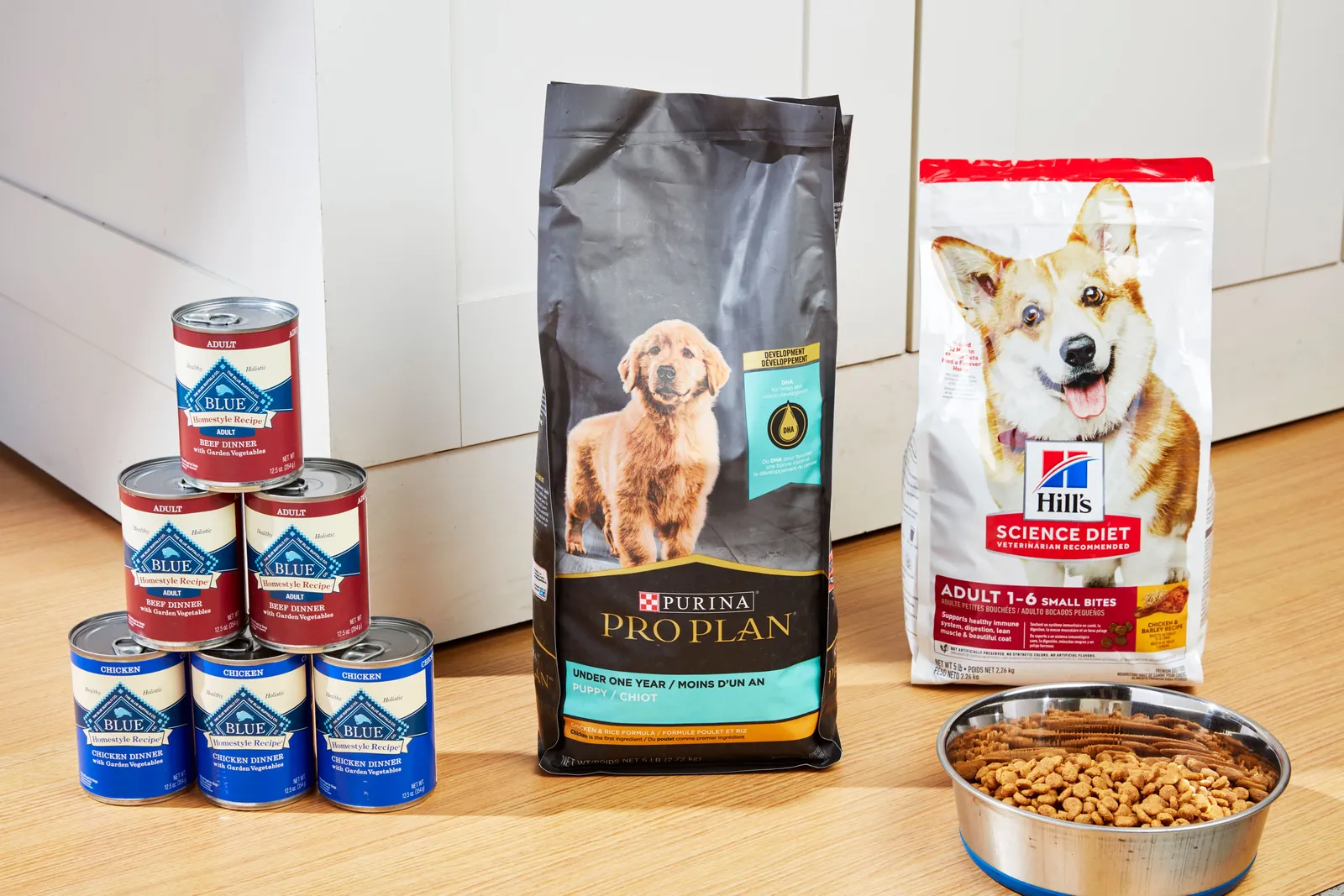
You don’t need blood work to see if a diet fits.
A good coat feels smooth, not greasy, and sheds evenly rather than in clumps. Their stool should be firm, dark brown and easy to pick up without leaving a mess behind.
The test that settles it’s the body condition score. Run your hands along their ribs. You should feel them easily under a thin layer of fat without pressing hard. If you have to dig for them, you’re feeding too much. The World Small Animal Veterinary Association publishes a visual chart you can use at home to check this yourself.
Mistakes that ruin a dog’s diet
- Switching foods overnight. This causes vomiting and diarrhea because gut bacteria can’t adapt instantly. Mix the old and new food gradually over seven to ten days instead.
- Feeding puppy food to adults. Puppy formulas carry extra calcium and calories meant for growing bones. An adult dog eating them risks obesity and joint stress, so switch at the right age.
- Ignoring the calorie count. Two cups of Brand A might hold 400 calories, while Brand B holds 600. Read the kcal/cup number on the bag and measure with a standard cup, don’t just scoop until it looks right.
- Chasing grain-free trends. Unless your vet diagnosed a specific grain allergy, grains provide essential nutrients. The FDA investigated potential links between certain grain-free diets and heart disease in dogs, so stick to proven formulas unless told otherwise.
Frequently asked questions
Is grain-free dog food better?
No, not for most dogs. In 2019, the FDA linked some grain-free foods to dilated cardiomyopathy. Stick to standard formulas unless your vet says otherwise.
How much dog food should I feed per day?
It depends entirely on the food’s calorie density and your dog’s weight. A 30-pound adult dog typically needs 600 to 800 calories daily. Check the kcal/cup printed on your specific bag, divide your dog’s target calories by that number, and measure exactly.
Can I mix wet and dry dog food?
Yes, you can mix them in the same bowl. Wet food usually has fewer calories per ounce than dry kibble, so you’ll need to adjust the portions accordingly.
Why is my dog not eating their food?
Sudden refusal often means illness, dental pain or spoiled food. If the food is fresh and they skip meals for over 24 hours, call your vet instead of offering treats to coax them.
How long does an open bag of dog food last?
Dry kibble stays fresh for about six weeks after opening if you seal the bag tightly. Keep it in its original bag inside an airtight container, stored in a cool, dry place.
Is raw dog food safe?
Raw diets carry a high risk of Salmonella and Listeria for both dogs and the humans handling the meat. The FDA advises against feeding raw diets due to these bacterial hazards. Cooked commercial foods undergo processing steps specifically designed to eliminate those pathogens safely.
What happens if I change dog food brands too fast?
Your dog will likely get diarrhea, gas or vomit within 24 hours. Stretch the change over at least seven days by mixing increasing amounts.
Conclusion
Every dog digests differently, and a formula that builds muscle on one might cause itching on another. Watch their stool, coat and energy during the first month.