
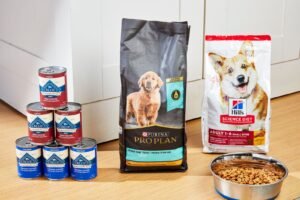
The most nutritious option is a balanced diet that meets the standards set by the Association of American Feed Control Officials, as the best food for dogs is a meal formulated specifically for your pet’s life stage and size. You should always look for a label that confirms the food provides “complete and balanced” nutrition.
Your pet’s specific dietary needs change based on their age, activity level, and weight. A puppy needs more calories for growth, while a senior dog often requires fewer calories to maintain a healthy weight.
The most common mistake owners make is choosing food based on marketing buzzwords like “grain-free” or “natural” rather than looking at the nutrient profile. These terms aren’t regulated in the same way as nutritional standards.
Choosing the best food for dogs

- Select a formula labeled for your dog’s specific life stage, such as “growth” for puppies or “adult maintenance” for mature dogs.
- Check the packaging for an AAFCO statement confirming the diet is complete and balanced for that life stage.
- Measure the daily portion size using a standard measuring cup based on the feeding guidelines printed on the bag.
- Adjust the amount you feed based on your dog’s body condition score rather than just following the bag’s suggestion.
- Transition to a new food over 7 to 10 days by mixing increasing amounts of the new food into the old one to prevent stomach upset.
Tip: If your dog is a high-energy working breed, they may need 20% more calories than a sedentary house pet of the same weight.
Tip: Always consult your veterinarian before choosing a specialized diet for dogs with known medical conditions like kidney or heart disease.
Time required for dietary changes
The process of finding and switching to the right diet is a gradual one that requires patience. You can’t rush a transition without risking digestive issues.
| Situation | How long | What changes it | What to watch for |
|---|---|---|---|
| Healthy adult transition | 7–10 days | Digestive sensitivity | Loose stools |
| Puppy to adult change | 1–2 weeks | Breed size | Weight gain |
| Weight loss plan | 3–6 months | Caloric density | Body condition score |
| Medical diet shift | 2–4 weeks | Vet guidance | Energy levels |
If your dog refuses to eat or develops persistent diarrhea during a transition, stop the switch and contact your veterinarian immediately for guidance.
Signs of a healthy diet
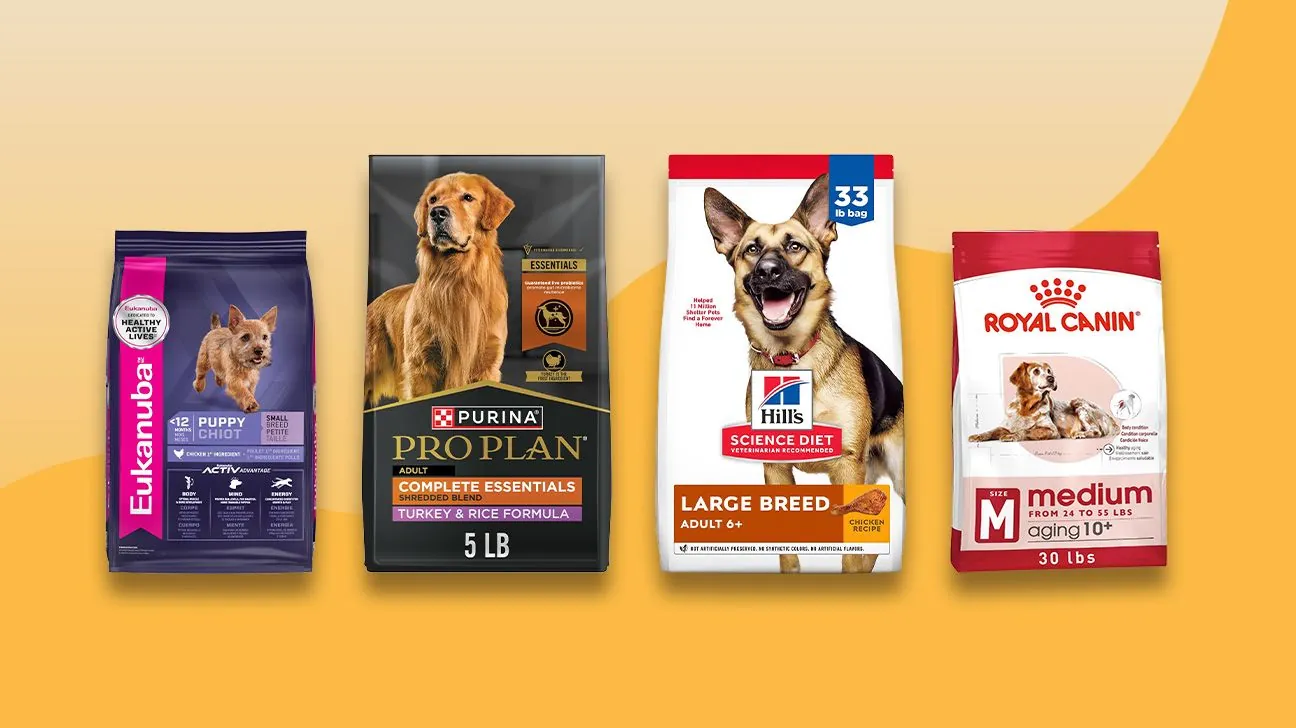
You can tell if a food is working by looking at your dog’s physical condition. A healthy coat should feel soft and look shiny without excessive dandruff. Their energy levels should remain consistent throughout the day, and they should maintain a steady weight that allows you to feel their ribs without seeing them clearly.
The FDA animal health guidance notes that your veterinarian is the best resource for monitoring these signs. If you see signs of lethargy, dull fur, or sudden weight changes, your dog’s current diet might not be the right fit. Always prioritize these physical indicators over online reviews.
Common mistakes to avoid
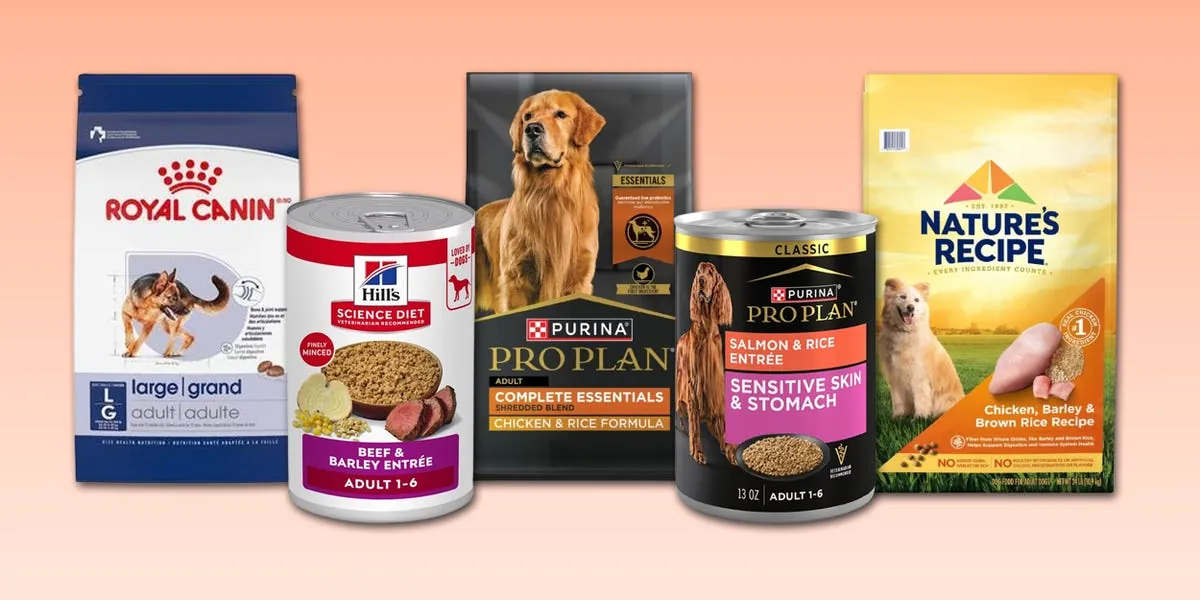
- Ignoring the life stage: Feeding a puppy adult food can lead to bone development issues because the calcium and phosphorus levels are incorrect for their rapid growth. Always match the bag’s life stage to your dog’s actual age.
- Overfeeding treats: Giving too many extra snacks adds empty calories that quickly lead to obesity, which shortens your dog’s lifespan. Keep treats to less than 10% of your dog’s total daily caloric intake.
- Rapidly switching brands: Changing foods abruptly often causes severe vomiting or diarrhea because the dog’s gut bacteria can’t adapt to the new ingredients. Always use the 10-day transition method mentioned earlier to help their digestive system adjust.
- Trusting unregulated claims: Many labels use marketing terms that have no legal definition regarding pet health. Rely only on the AAFCO nutritional statement found on the back of the package.
Frequently asked questions
Can I feed my dog human food?
Yes, you can feed some human foods like plain cooked chicken or carrots, but these should only be occasional treats. Most human food is too high in salt or fat for dogs. Ensure you never feed them grapes, onions, or chocolate, as these are toxic to dogs.
How often should I feed my dog?
Most adult dogs thrive on two meals per day, while puppies usually require three or four smaller meals. Feeding on a set schedule helps you monitor their appetite and keeps their energy levels stable. If you miss a meal, don’t double the portion at the next feeding.
Is grain-free food better for dogs?
No, there’s no scientific evidence that grain-free food is healthier for the average dog. Unless your veterinarian has diagnosed a specific grain allergy, grains provide essential fiber and energy. Focus on a balanced formula rather than excluding specific ingredient categories without a medical reason.
How much should I feed my dog?
The amount depends on your dog’s current weight, age, and activity level as listed on the food packaging. Start with the lower end of the recommended range on the bag. If your dog begins to look thin or gains too much weight, adjust the amount by 5% to 10% accordingly.
What is the best way to store dog food?
The best way is to keep the food in its original bag inside a sealed plastic or metal container. This preserves the nutrients and keeps the food fresh. Always keep the container in a cool, dry place to prevent mold growth, which can happen if the food absorbs moisture.
How do I know if my dog has a food allergy?
Signs of a food allergy include chronic skin itching, ear infections, or recurring stomach issues. These symptoms are common in many conditions, so you must see a veterinarian to rule out environmental allergies. Never attempt an elimination diet without professional supervision, as you might miss a serious medical cause.
Conclusion
Choosing the right food is a balance of science and observation. By focusing on life-stage appropriateness and monitoring your dog’s physical condition, you ensure they get the nutrition they need to stay healthy for many years. Always keep your veterinarian involved in these decisions, especially if you notice changes in your dog’s weight or energy levels.