
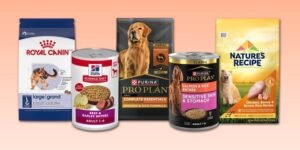
Purina Pro Plan is the dog food brand most vets recommend for healthy dogs, because it’s backed by decades of feeding trials. If your dog has a diagnosed medical issue, Royal Canin or Hill’s Prescription Diet wins instead. The best dog food brand depends on the formula that fits your dog’s size, age and health rather than a single name.
Best dog food brands compared
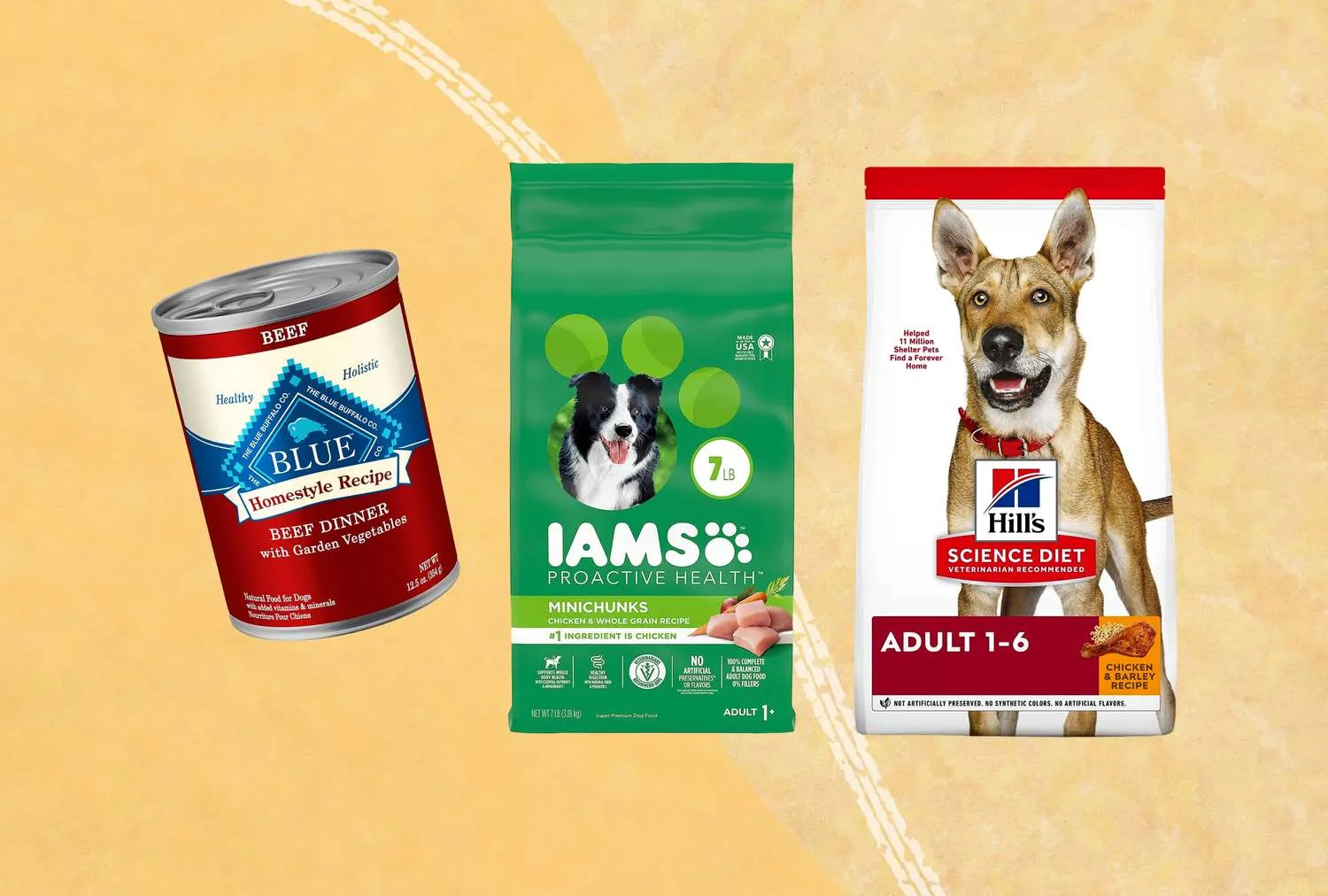
Three big names dominate vet clinics and pet stores worldwide. They don’t all do the same job.
| Method | How long | Effort | Cost | Best for |
|---|---|---|---|---|
| Purina Pro Plan | Ongoing daily | Low | Medium | Healthy adult dogs |
| Royal Canin | Ongoing daily | Low | High | Breed-specific needs |
| Hill’s Science Diet | Ongoing daily | Low | Medium | Sensitive stomachs |
| Fresh delivery (The Farmer’s Dog) | Ongoing daily | Medium | High | Picky eaters |
No single row wins every column.
Purina Pro Plan for everyday feeding
This line covers puppies, adults and seniors in separate formulas. You pick the bag that matches your dog’s life stage and weight.
- Weigh your dog on a home scale before opening a new bag.
- Read the chart on the back of the bag for their exact weight range.
- Split that daily amount into two meals, morning and evening.
- Adjust the scoop after two weeks if they gain or lose weight.
It works well because the company runs actual feeding trials with real dogs, not just lab math.
The trade-off is ingredient lists that include corn and soy, which bothers owners who want grain-free meals. Don’t switch to grain-free without a vet’s advice, since the FDA is still investigating a link between certain grain-free diets and heart disease in dogs.
Royal Canin for specific breeds
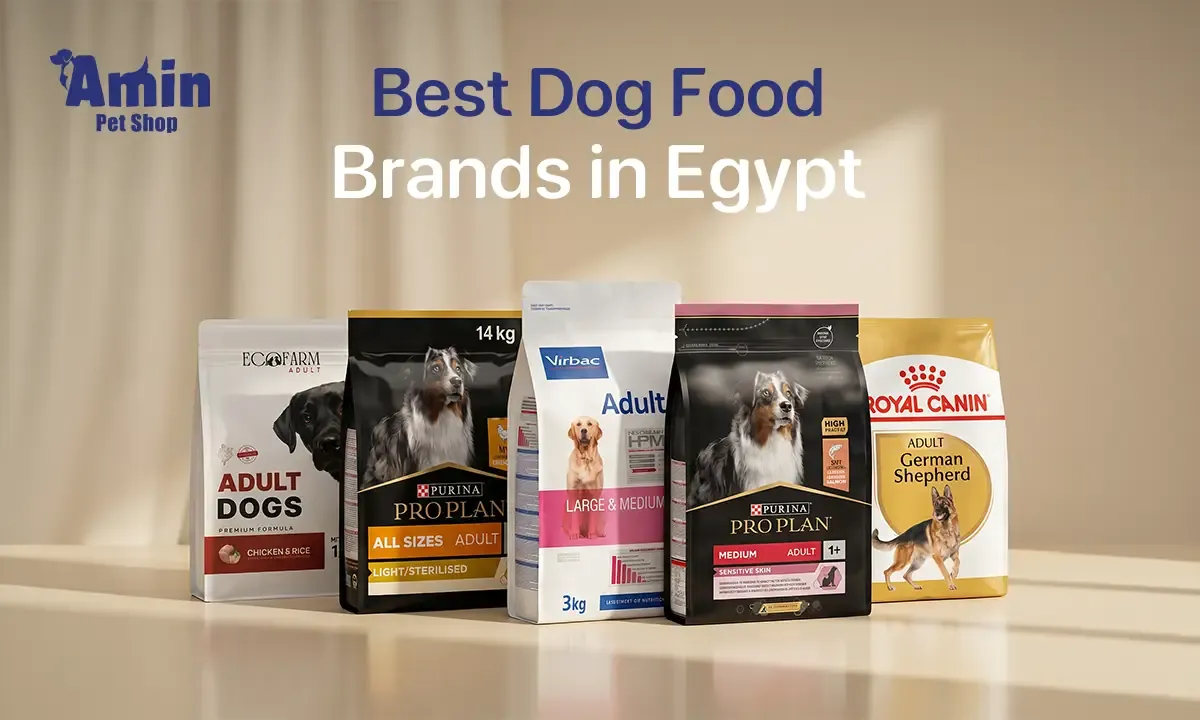
Royal Canin makes kibble shaped and sized for different jaws. A French Bulldog gets a different piece than a Labrador.
- Find your breed’s exact formula on the bag or website.
- Measure the daily cup amount based on your dog’s current weight.
- Serve it dry or add warm water to soften the pieces.
- Recheck the portion when your dog reaches adulthood.
It shines for purebred dogs with known jaw shapes or common breed issues. Vets often suggest it right after a puppy’s first checkup.
The weakness is the price tag. It costs noticeably more per pound than standard grocery-store bags. If your dog is a mixed breed with no special needs, you’re paying extra for shaping that doesn’t help them chew better.
Hill’s Science Diet for digestion
Hill’s focuses heavily on gut health and sensitive systems. Their recipes use simpler protein sources to keep upset stomachs calm.
- Choose the “Sensitive Stomach & Skin” formula if your dog gets loose stool on other foods.
- Mix 25% of the new food with 75% of the old food on day one.
- Increase the new food by 25% every two days until fully switched.
- Keep fresh water available all day since dry food pulls moisture from the gut.
This slow switch prevents vomiting, which happens when you dump a whole new bag into the bowl at once.
The limit here is energy density. Your dog’s daily calorie need sits on the bag’s feeding guide; read the number next to their exact weight, not the top of the chart.
Which dog food should you pick?
Your schedule, budget and dog’s health decide this. Here’s how those three situations break down.
If you’re in a hurry, grab Purina Pro Plan. It’s stocked everywhere, so you won’t drive to three stores to find it.
If you’re doing this for the first time with a new puppy, buy Royal Canin’s puppy formula for your specific breed. The kibble size prevents choking, and the calcium levels match growing bones.
If you want the best possible result whatever it takes, work with a board-certified veterinary nutritionist. They’ll build a custom plan that no bag off a shelf can match.
You’re trading convenience against precision. Fast and cheap means a good general diet. Slow and expensive means a tailored one.
Rules for feeding any dog food
Every brand follows the same basic rules. Skip these and even the most expensive bag fails.
Store kibble in its original bag inside an airtight bin. The bag lining keeps fats from going rancid. Throw away any food left in the bowl after 20 minutes.
Wash the bowl with hot soapy water daily. Biofilm builds up fast and causes chin acne in dogs.
If your dog needs a prescription diet for kidney or liver disease, don’t buy regular food instead. Only a vet can authorize those therapeutic formulas, and guessing wrong can cause organ damage.
Weigh your dog monthly. The amount printed on the bag is a starting point, not a law.
Frequently asked questions
Can I mix two different dog food brands?
Yes, you can mix them if both suit your dog’s life stage. Stick to similar protein sources to avoid upsetting their stomach. Don’t mix puppy food with senior food, since the calcium and phosphorus ratios clash.
Why is my dog not eating their food?
A skipped meal usually means stress, heat or a mild stomach ache. If they refuse food for over 24 hours, call your vet.
How long does an open bag of dog food last?
An opened bag of dry kibble stays fresh for about six weeks if sealed tightly. Write the date you open it directly on the bag with a marker.
Is it safe to feed dogs only wet food?
Yes, wet food is completely safe as a full diet if it’s labeled “complete and balanced.” It contains about 75% water, so you’ll need to feed roughly three times the volume of dry kibble to hit the same calorie target.
What happens if I switch dog food too fast?
Switching overnight causes diarrhea and vomiting in most dogs. Always blend the old and new food gradually over seven to ten days.
How much dog food should I feed per day?
Cup amounts depend on your dog’s weight and the food’s calorie density. A 30-pound dog might need 1.5 cups of one brand or 2 cups of another. Read the feeding chart on your specific bag.
Conclusion
Pick one formula, measure it accurately, and watch your dog’s waistline over a month. The right food keeps their ribs easy to feel but hard to see.