
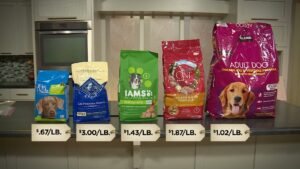
Brands like Purina Pro Plan, Hill’s Science Diet, Royal Canin and Blue Buffalo are safe because they employ full-time veterinary nutritionists and run feeding trials, which is what makes dog food brands safe rather than just their ingredient lists.
Buying based only on the first five ingredients ignores how those nutrients actually absorb.
How to check if a dog food brand is safe
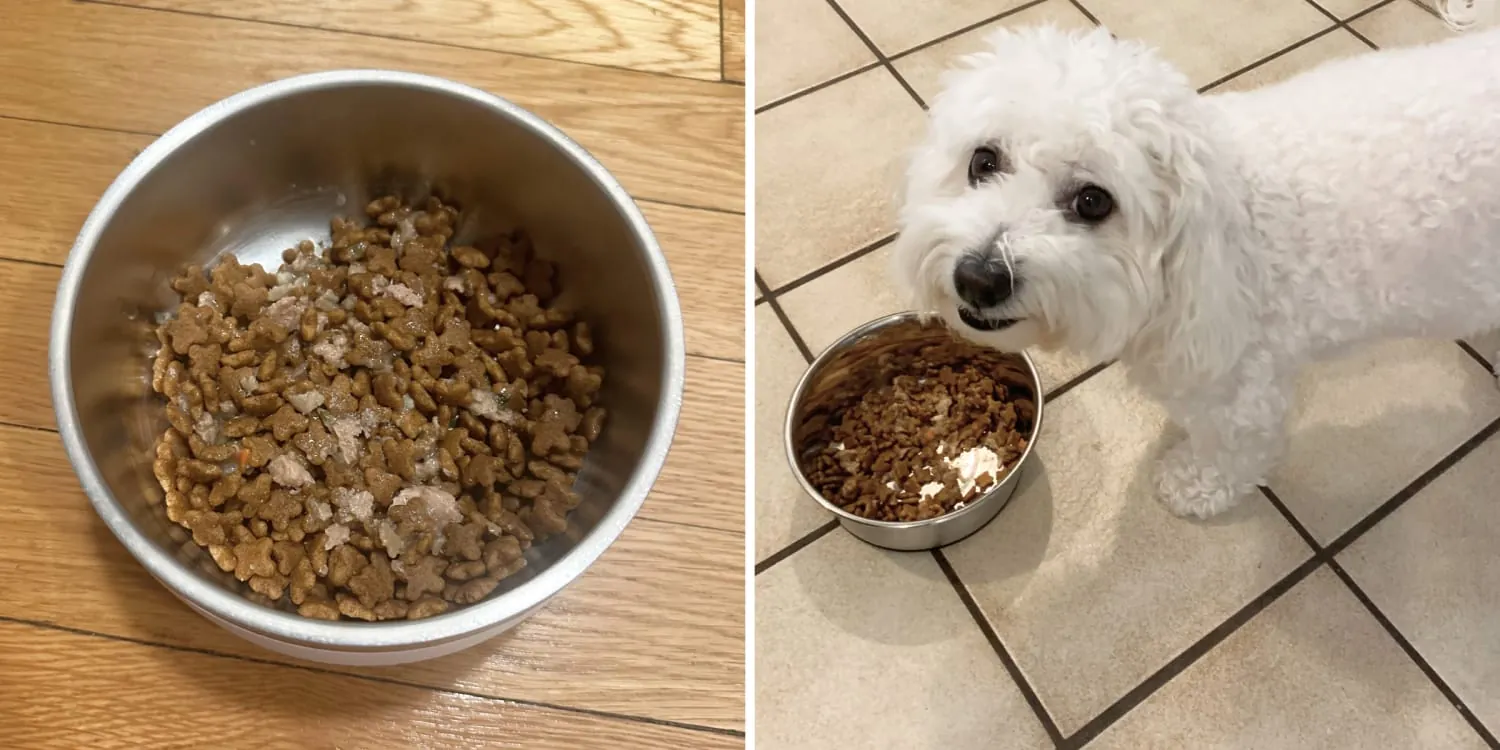
Follow these steps to evaluate any bag or can before you buy it. Each step looks at a specific part of the company’s process.
- Look for the AAFCO nutritional adequacy statement on the back label. Look for an AAFCO nutritional adequacy statement on the back label indicating the food meets nutrient profiles or has passed animal feeding tests.
- Check the manufacturer’s website for a board-certified veterinary nutritionist on staff. If you can’t find one listed under their science or quality team, pick another brand.
- Search the FDA’s pet food recall database for the company’s name over a long period. One old recall with a clear fix is different from repeated issues. You can read the full history on the FDA pet food recalls page.
- Call or email the company to ask where they source their vitamins and minerals. Safe brands track every supplier and test incoming raw materials for heavy metals.
- Match the food’s life-stage label to your dog. Puppies need food labeled for growth; adults need maintenance. Don’t feed an “all life stages” formula to a large-breed puppy unless it specifically mentions large-breed growth.
- Buy from stores with high inventory turnover so bags don’t sit in warm warehouses. Old fats oxidize and turn rancid, producing harmful compounds.
Tip: Skip brands that market themselves only through social media influencers without publishing actual feeding trial data.
How long checking dog food safety takes
The time you spend depends on how deep you go into the company’s background.
| Situation | How long | What changes it | What to watch for |
|---|---|---|---|
| Reading the store label | 2-3 minutes | Your reading speed | Missing AAFCO statement entirely |
| Searching FDA recall records | 10-15 minutes | Internet speed, number of past recalls | Multiple recent recalls for the same issue |
| Emailing the manufacturer | 1-3 days | Company response time | Vague answers or no reply at all |
| Reviewing a new brand fully | 30-45 minutes | Amount of public information available | Claims without published proof |
If a company takes more than three business days to answer a direct question about their testing, move on.
Signs a dog food brand is safe
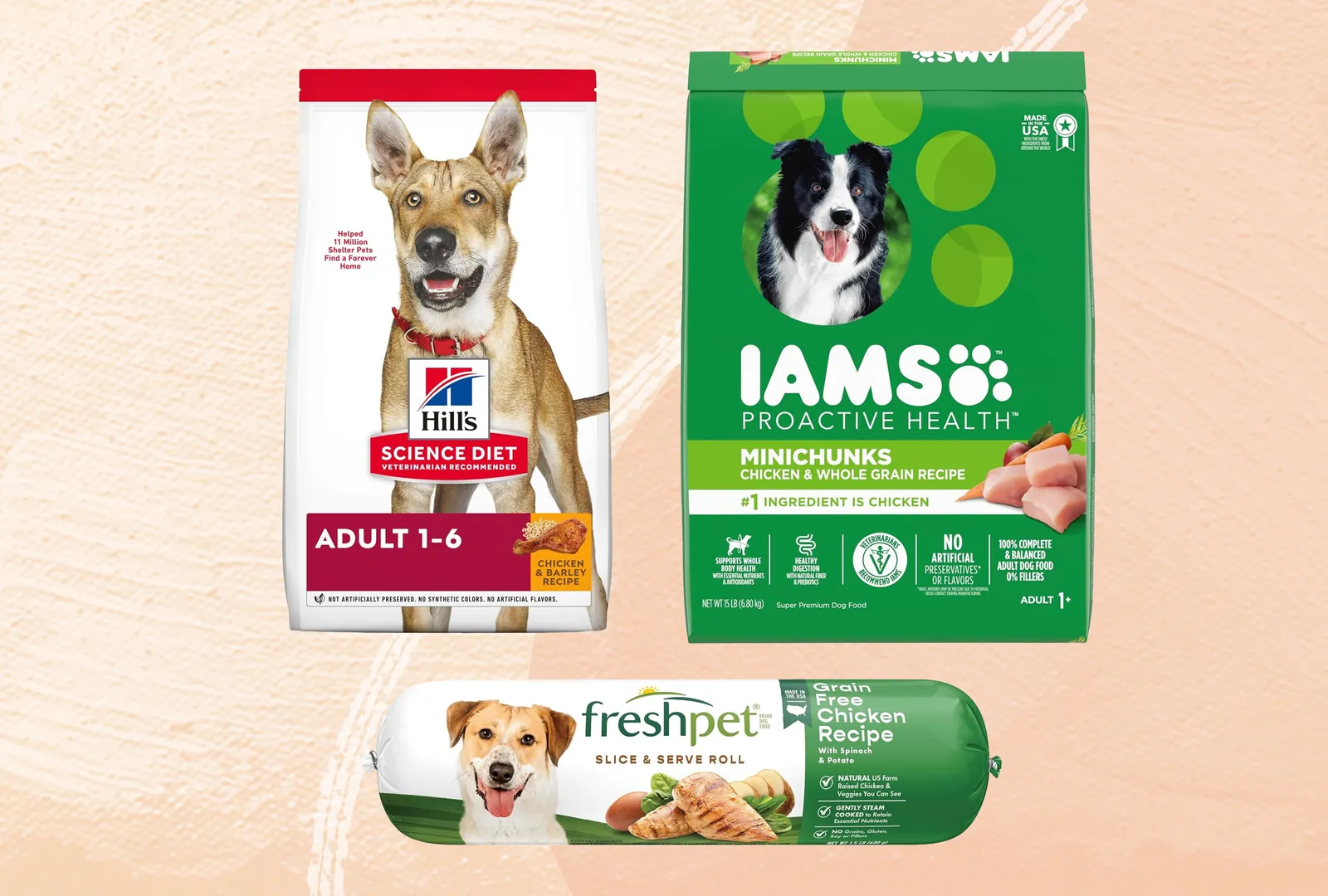
You can spot a reliable brand by looking at specific details on the packaging and the company’s public records.
Look for a named meat meal, like chicken meal, rather than vague terms like “meat by-products.” The guaranteed analysis should list minimum protein and fat alongside maximum fiber and moisture.
Check if the company publishes its quality control standards online. Brands that follow WSAVA guidelines usually state this clearly on their veterinary resources page.
The final test is your dog’s stool after two weeks on the food. Firm, consistent bowel movements mean the nutrients are digesting properly. Loose stool or excessive gas means the formula isn’t working for them, even if the brand is generally considered safe.
Mistakes that ruin dog food safety
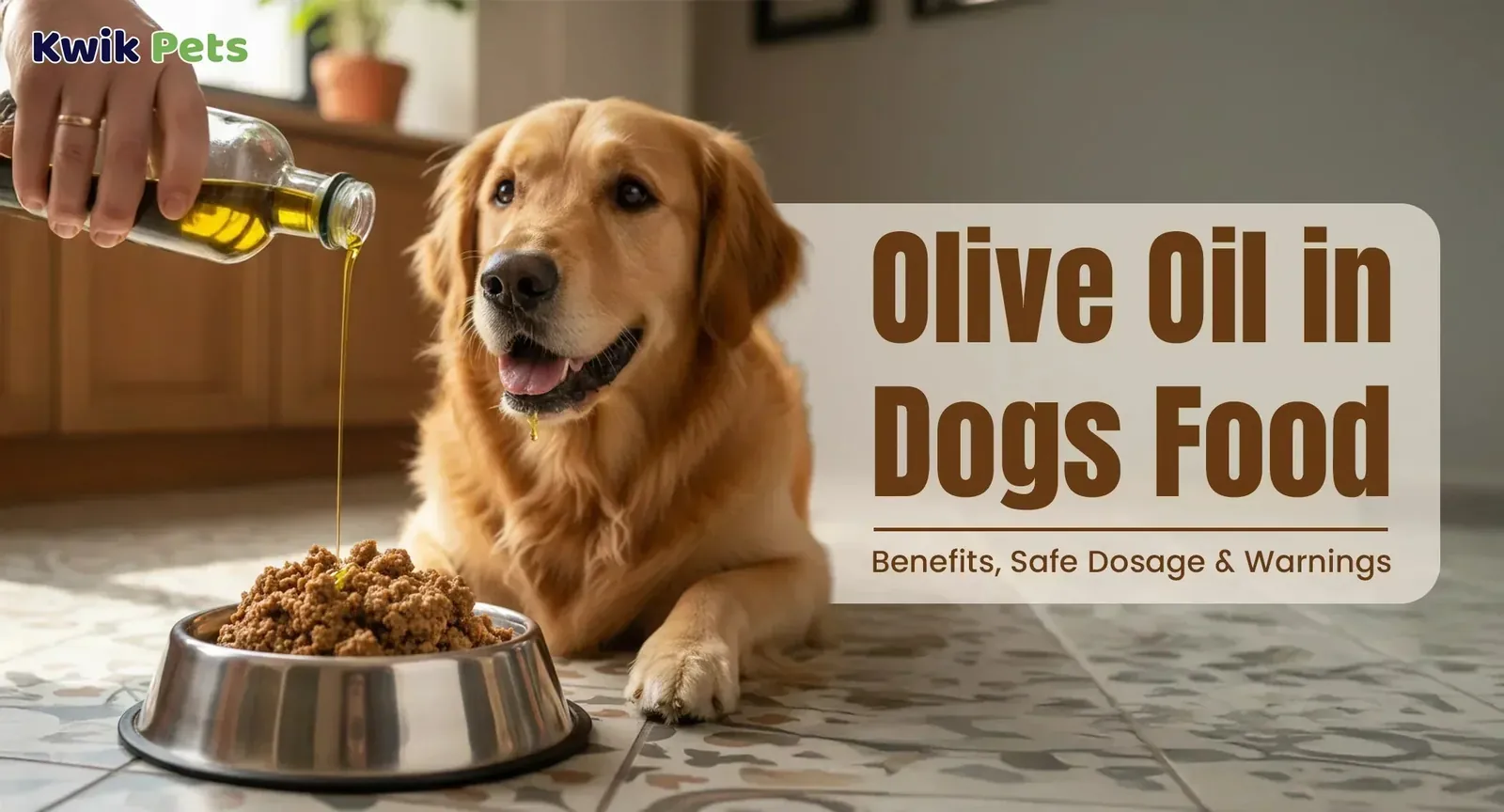
- Storing kibble in humid areas. Moisture exposure can eventually allow mold and bacteria to grow in kibble. Keep the food in its original bag inside an airtight bin in a cool, dry room.
- Mixing multiple brands at once. Combining foods makes it impossible to know which one causes stomach upset. Switch gradually over seven days, mixing 25% more of the new food each time.
- Ignoring expiration dates. Nutrients break down and fats go rancid after the printed date. Throw away any food that has exceeded its recommended storage time or shows visible spoilage, even if it appears fine.
- Choosing grain-free for no medical reason. The FDA has investigated a potential association between certain grain-free diets and dilated cardiomyopathy (DCM) in dogs. Stick to standard formulas unless your vet diagnoses a specific allergy.
- Trusting front-label claims alone. Words like “premium” aren’t legally defined. Always flip the bag over and read the AAFCO statement and guaranteed analysis instead.
Picking the right food protects your dog from preventable illnesses. Read the labels carefully, store the food properly, and watch how your dog responds over the first few weeks.
Frequently asked questions
Can I trust dog food made outside the US?
Yes, if the foreign manufacturer follows AAFCO guidelines or equivalent local standards. Many safe brands produce food in facilities across Europe and Canada. Check if the specific factory has passed recent inspections and holds valid quality certifications.
Why do safe dog food brands still get recalled?
Recalls happen because testing catches contamination before it harms pets. A voluntary recall shows a company monitors its supply chain actively. Brands that never recall anything might simply lack the testing systems to detect problems early.
How long does it take for a dog to adjust to safe food?
Most dogs adjust within seven to ten days when you switch slowly. Mix 25% of the new food with 75% of the old food for three days, then increase the ratio. Sudden switches cause vomiting or diarrhea regardless of the food’s quality.
Is it safe to feed my dog only wet food?
Yes, wet food provides complete nutrition if it carries an AAFCO statement for your dog’s life stage. It contains more moisture, which helps dogs that don’t drink enough water. You’ll just need to brush their teeth more often since soft food builds plaque faster.
What happens if my dog eats expired kibble?
Expired kibble loses vitamins and its fats turn rancid, which can cause stomach upset. Eating a small amount accidentally rarely causes serious harm. Throw the whole bag away and monitor your dog for vomiting or loose stools over the next day.
How much should I spend on safe dog food?
Safe dry kibble is inexpensive relative to the alternative of dealing with health issues from poorly tested food. Price alone doesn’t guarantee safety, but extremely cheap brands often cut corners on testing and ingredient sourcing. Compare the cost per calorie, not just the bag price.
Conclusion
Talk with your vet before switching anything up. They’ll look at your dog’s age, weight, and health to pick the right fit. You don’t have to figure this out alone, and a quick chat can save you a lot of worry later.