
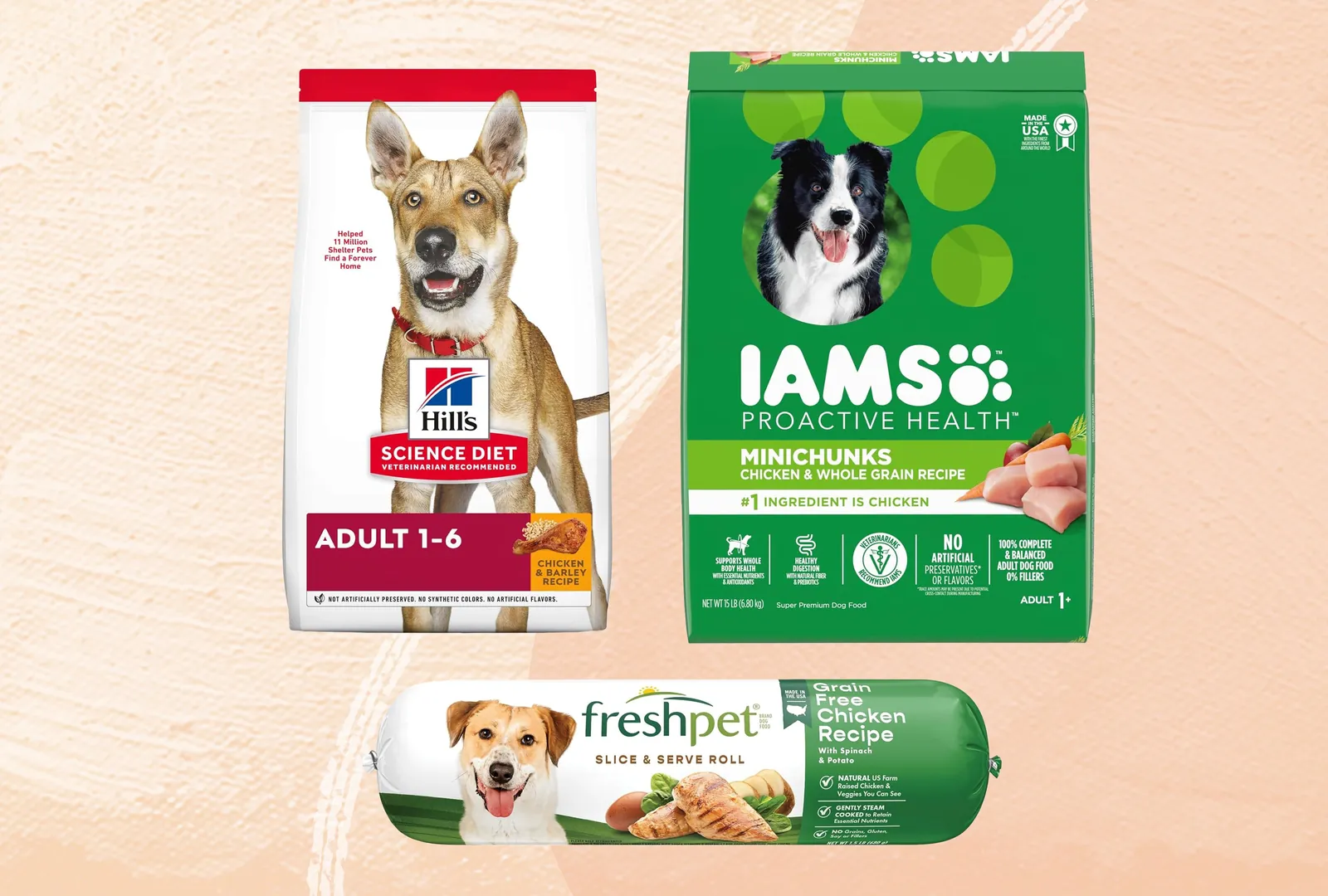
No single company makes the healthiest dog food for every pet because nutritional needs vary by age, breed, and medical history. The best choice is a brand that employs board-certified veterinary nutritionists and conducts feeding trials to validate their specific formulas meet your dog’s requirements.
Healthiest dog food brands at a glance

- Brands employing full-time board-certified veterinary nutritionists formulate diets based on clinical science rather than marketing trends or ingredient fads.
- Feeding trials following AAFCO protocols prove the food actually supports health, which is more reliable than meeting nutrient profiles by calculation alone.
- Therapeutic diets from Hill’s, Royal Canin, and Purina target specific diseases with published research backing their efficacy and safety standards.
- Fresh food services like JustFoodForDogs offer vet-formulated recipes but require strict cold chain management to prevent bacterial growth during storage.
- Ingredient quality matters less than nutrient bioavailability, so premium labels don’t guarantee better health without proper formulation and testing data.
- Your veterinarian can identify gaps in your current diet and recommend brands proven safe for your dog’s specific life stage and condition.
Why formulation matters more than ingredients
Nutrient balance determines health outcomes far more than ingredient sourcing or human-grade claims on packaging. A diet with organic chicken and kale can still cause severe deficiencies if calcium, zinc, or vitamin D levels aren’t precisely calibrated to canine physiology. Board-certified veterinary nutritionists understand these complex interactions and adjust formulations based on digestibility studies, not just recipe composition.
Feeding trials provide the only real proof that a food works as intended over time. Calculated nutrient profiles assume perfect absorption, but dogs process nutrients differently depending on fiber content, processing methods, and individual gut health. Companies investing in AAFCO feeding trial protocols demonstrate commitment to safety beyond minimum compliance. This testing catches imbalances that lab analysis alone can’t predict, protecting pets from long-term harm caused by well-intentioned but unvalidated recipes.
When standard healthy options fail
| Situation | What changes | What to do instead |
|---|---|---|
| Kidney disease present | Protein and phosphorus limits apply | Use prescription renal diet only |
| Food allergy confirmed | Common proteins trigger reactions | Hydrolyzed protein or novel source diet |
| Pancreatitis history | Fat tolerance is significantly reduced | Low-fat therapeutic formula required |
| Large breed puppy | Rapid growth causes joint damage | Large-breed specific growth formula |
| Senior with cognitive decline | Brain needs different fuel sources | Medium-chain triglyceride enriched diet |
| Homemade diet preferred | Nutrient gaps are extremely likely | Consult veterinary nutritionist for recipe |
Choosing the right food safely
- Verify the manufacturer employs at least one board-certified veterinary nutritionist (DACVN or ECVCN) on staff full-time.
- Confirm the specific formula you’re buying passed AAFCO feeding trials, not just nutrient profile calculations.
- Match the food’s life stage designation exactly to your dog’s current age, size, and reproductive status.
- Check the statement of nutritional adequacy on the bag matches your veterinarian’s recommendation for your pet.
- Transition gradually over seven to ten days, mixing increasing amounts of new food with decreasing old food.
- Monitor stool quality, energy levels, and coat condition daily during the first month after switching foods.
- Schedule follow-up bloodwork within three months to confirm the diet meets your dog’s individual metabolic needs.
- Store dry food in original packaging inside airtight containers and fresh food below 40°F always.
Mistakes that compromise canine nutrition

- Rotating proteins weekly prevents identifying true allergens and causes chronic gastrointestinal upset that mimics food intolerance symptoms.
- Supplementing commercial diets without veterinary guidance creates dangerous mineral imbalances that damage kidneys and bones over time.
- Trusting “human-grade” labels ignores that nutrient bioavailability matters more than ingredient origin for actual health outcomes.
- Ignoring calorie density leads to obesity when switching to premium foods that pack more energy per cup than standard kibble.
- Assuming grain-free equals healthier despite FDA investigations linking certain legume-heavy formulations to dilated cardiomyopathy in susceptible breeds.
Frequently asked questions
Is grain-free dog food healthier?
No, grain-free isn’t inherently healthier and may increase heart disease risk in some breeds. The FDA has investigated links between legume-rich grain-free diets and dilated cardiomyopathy. Unless your dog has a diagnosed grain allergy, which is rare, grains provide valuable nutrients and fiber.
Can I make healthy dog food at home?
Yes, but only with a recipe formulated by a board-certified veterinary nutritionist. Homemade diets frequently lack essential nutrients like calcium, zinc, and vitamin D. Generic online recipes often cause irreversible health problems. Professional formulation costs money but prevents expensive medical emergencies later.
How long does it take to see results?
Most dogs show improved stool quality within two weeks, but coat and skin changes take six to eight weeks. Bloodwork improvements may take three months. If no positive changes appear after eight weeks, the food may not suit your dog’s individual needs despite being high quality.
Does expensive mean healthier?
Not necessarily. Price reflects marketing, sourcing, and production costs, not nutritional superiority. Some mid-priced brands conduct more rigorous testing than boutique premium companies. Evaluate formulation credentials and feeding trial data instead of price tags when comparing options for your pet.
Are raw diets safer than cooked?
No, raw diets carry higher Salmonella and Listeria risks for both pets and humans according to public health agencies. Cooking improves protein digestibility and eliminates pathogens. If you prefer raw feeding, use commercially prepared products with pathogen testing rather than homemade versions to reduce contamination risks.
Do senior dogs need special food?
Often yes, but “senior” isn’t a regulated term. Older dogs may need adjusted protein, phosphorus, or calorie levels based on kidney function and activity. Bloodwork guides these decisions better than age-based marketing. Some seniors thrive on adult maintenance diets while others require therapeutic formulas.
Conclusion
The healthiest dog food is ultimately the one validated for your individual pet through veterinary assessment and ongoing monitoring. Brand reputation provides a starting point, but your dog’s bloodwork, body condition, and clinical response determine whether any diet truly succeeds. Regular checkups ensure the choice remains appropriate as your dog ages and their nutritional needs evolve.