

The healthiest food for your dog is a balanced diet that meets the nutritional standards established by the Association of American Feed Control Officials (AAFCO), which provides the guidelines manufacturers use to ensure their products contain essential vitamins, minerals, and proteins for a canine’s life stage. There’s no single “best” brand, as the right choice depends on your dog’s age, activity level, and any specific health conditions they may have.
Quality nutrition is about the balance of nutrients rather than one specific ingredient list. Most high-quality commercial foods are formulated to be complete and balanced, meaning you don’t need to add supplements unless a veterinarian tells you otherwise. The biggest mistake owners make is choosing a diet based on marketing buzzwords like “grain-free” or “human-grade” without checking if the food is formulated for their dog’s specific life stage, such as puppy, adult, or senior.
Finding the healthiest food for your dog
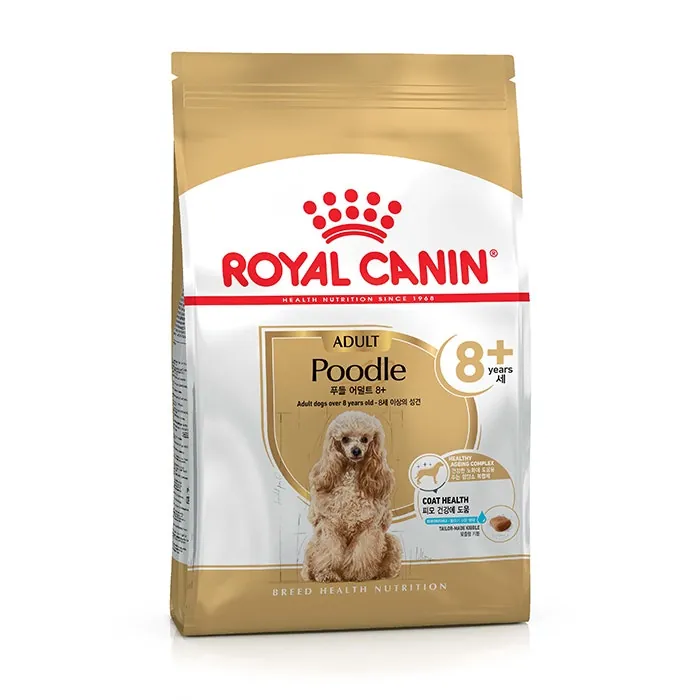
- Review the manufacturer’s statement on the back of the bag to ensure it claims the food is complete and balanced for your dog’s life stage according to AAFCO standards.
- Calculate your dog’s daily caloric needs based on their weight and activity level, as listed on the manufacturer’s feeding guide.
- Transition your dog to the new food slowly over 7 to 10 days by mixing increasing amounts of the new food with their old diet.
- Monitor your dog’s body condition score, which is a method to check if they’re at a healthy weight by feeling for their ribs.
- Consult your veterinarian before starting any diet if your dog has known allergies, kidney issues, or metabolic conditions that require a prescription diet.
Tip: If your dog seems hungry after eating the recommended amount, check with your vet before increasing the portion, as extra weight puts stress on their joints.
Time requirements for dietary changes
Changing a dog’s food takes time to avoid digestive upset. This process varies depending on your dog’s sensitivity to dietary changes and their current health status.
| Situation | How long | What changes it | What to watch for |
|---|---|---|---|
| Healthy adult dog | 7 days | Breed size | Loose stools |
| Sensitive stomach | 14 days | Past allergies | Vomiting |
| Puppy transition | 10 days | Growth rate | Lack of energy |
If your dog experiences diarrhea or vomiting for more than 48 hours after starting a new food, stop the transition and contact your veterinarian immediately.
Signs of a healthy diet
You can tell if a food is working by observing your dog’s physical condition and energy levels. A healthy dog should have a shiny coat, clear eyes, and a steady energy level throughout the day. Their stool should be firm, consistent, and easy to pick up, which indicates that they’re digesting the nutrients effectively.
If your dog is losing weight or seems sluggish, the calorie density of the food might be too low for their activity level. The ultimate test is a physical exam by a vet, who can track weight trends over time.
Common feeding mistakes
- Overfeeding based on the bag’s range: Many owners feed the maximum amount listed on the label, which often leads to obesity. Start at the lower end of the recommended range and adjust based on your dog’s actual weight.
- Ignoring life-stage requirements: Feeding an adult dog puppy food can lead to excessive weight gain due to higher calorie counts. Always choose a food formulated for your dog’s current age.
- Frequent diet switching: Jumping between brands every month can cause chronic digestive distress. Stick to one high-quality, balanced brand unless your vet suggests a change for medical reasons.
- Treats exceeding 10% of calories: Giving too many human snacks or extra treats dilutes the balanced nutrition of their main meal. Keep treats to a small fraction of their daily intake to prevent nutritional gaps.
Frequently asked questions
Can I feed my dog human food instead of dog food?
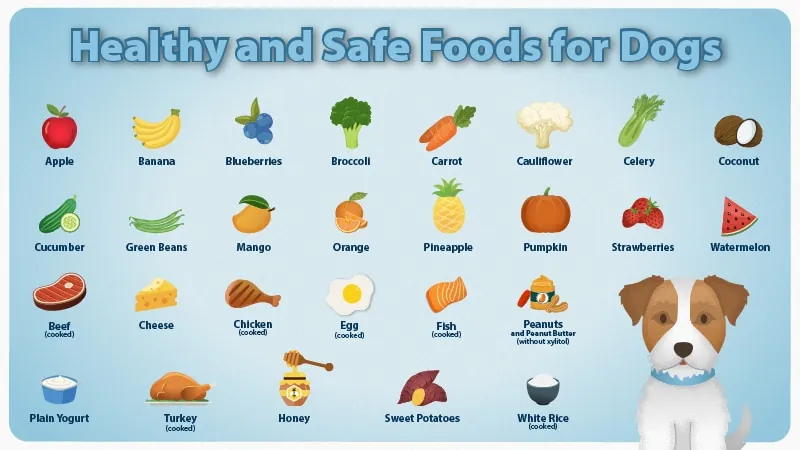
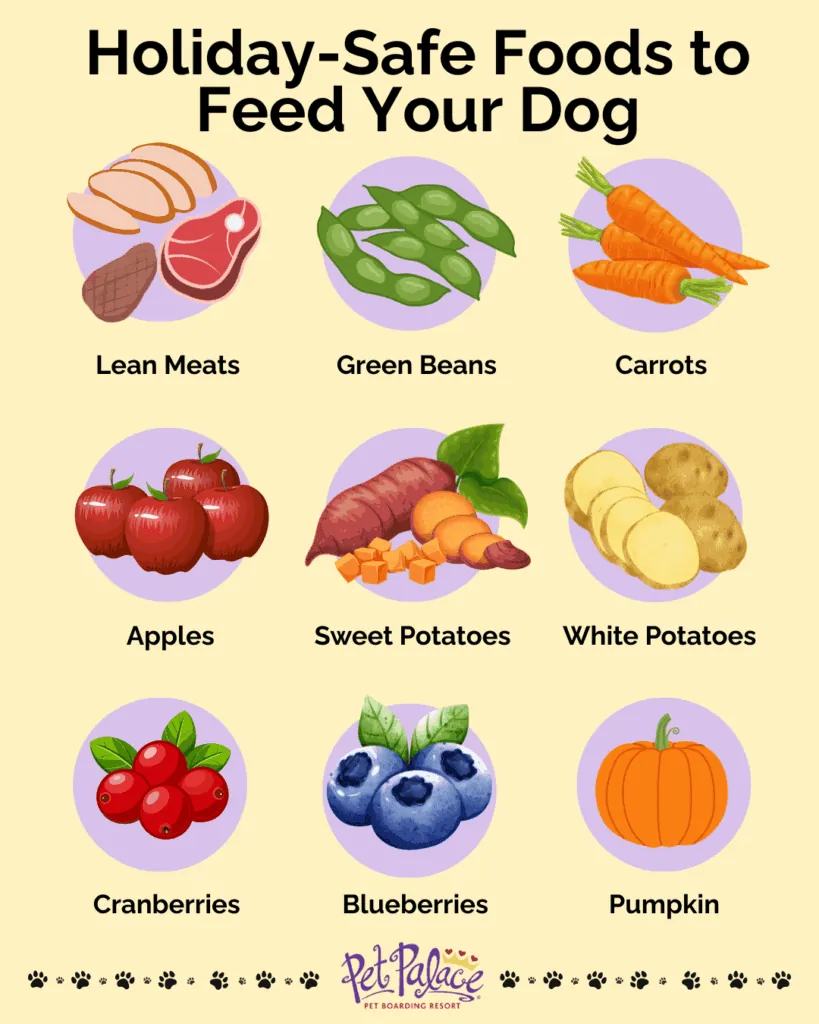
No, it’s difficult to provide a balanced diet using only human food without professional guidance. Dogs have specific requirements for calcium, phosphorus, and vitamins that are hard to balance at home. If you want to offer fresh food, use it as a small topper rather than a full meal replacement.
Is grain-free food healthier for dogs?
No, grain-free diets aren’t inherently healthier for the average dog. Unless your veterinarian has diagnosed a specific grain allergy, grains provide essential fiber and energy. Always prioritize a food that meets established nutritional standards over those marketed with specific “free-from” labels unless medically indicated.
How much should I feed my dog each day?
The amount depends on the calorie density of the food and your dog’s weight, typically measured in cups or grams. Check the feeding chart on your specific brand’s packaging for the exact quantity. If your dog is spayed or neutered, they may need 10% to 20% fewer calories than an intact dog.
What happens if I change my dog’s food too fast?
Changing food too quickly often causes gastrointestinal upset, including vomiting, diarrhea, or gas. This happens because the gut bacteria need time to adjust to new protein and fiber sources. A slow transition allows the digestive system to adapt without causing discomfort or dehydration for your pet.
How do I know if my dog is allergic to their food?
Common signs of food allergies include chronic skin itching, ear infections, or recurring stomach issues. These symptoms aren’t usually caused by a sudden change but by a long-term reaction to a specific protein. Consult your vet to perform an elimination diet trial if you suspect a true allergy.
Is raw food better than kibble?
There’s no scientific consensus that raw food is better, and it carries a higher risk of bacterial contamination for both the dog and the household. Many vets recommend cooked, balanced commercial diets because they’re processed to kill harmful pathogens. Always weigh the safety risks against any perceived benefits before choosing raw.
Conclusion
Choosing the right food is a long-term commitment to your dog’s health. By sticking to products that meet established nutritional guidelines and monitoring your dog’s weight and energy, you can ensure they receive the fuel they need for a long and active life. Always use your veterinarian as your primary resource for any specific dietary concerns.