
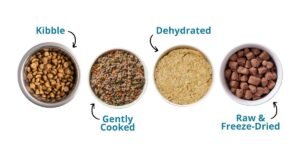
Because no single brand fits every animal, the best dog food for your pet depends on their specific life stage, activity level, and health needs. You should prioritize products that meet the nutritional profiles established by the Association of American Feed Control Officials (AAFCO).
Choosing the right food starts with checking the label for a statement of nutritional adequacy. This confirms the diet is complete and balanced for a specific life stage, such as growth, adult maintenance, or all life stages.
The most common mistake owners make is choosing food based on marketing buzzwords like “natural” or “holistic” instead of looking at the actual ingredient list and AAFCO statement. These terms are often unregulated and don’t guarantee the food provides the necessary nutrients for your specific pet.
Selecting the Best Dog Food
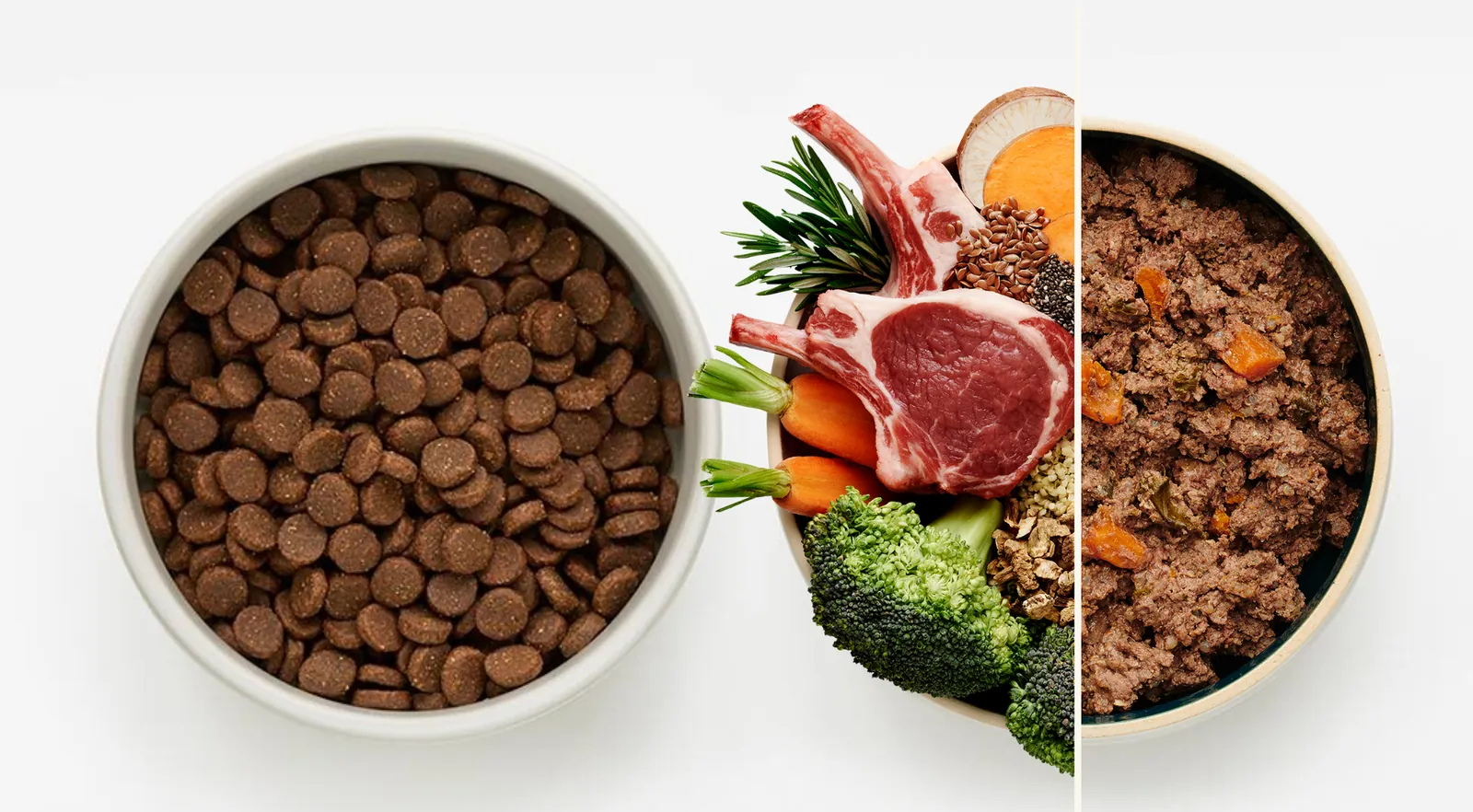
- Identify your dog’s current life stage, as puppies require more calories and protein than senior dogs.
- Read the packaging to find the AAFCO nutritional adequacy statement, which confirms the food has been tested or formulated to meet official pet food standards.
- Consult your veterinarian about any breed-specific concerns, such as the need for larger kibble sizes or specific grain-inclusive formulas for heart health.
- If you decide to switch brands, mix the new food with the old over a period of 7 to 10 days to avoid stomach upset.
- Store the food in its original container or an airtight bin to keep it fresh and prevent contamination.
Tip: If your dog has a sensitive stomach, introduce the new food in very small portions, starting with 25% new food and 75% old food for the first three days.
Timeframes for Dietary Changes
| Situation | Adjustment Period | What changes it | What to watch for |
|---|---|---|---|
| Healthy adult | 7-10 days | Digestive sensitivity | Loose stools or vomiting |
| Puppy to adult | 14 days | Metabolism change | Weight gain or loss |
| Medical diet | 2-4 weeks | Vet’s specific plan | Skin or energy levels |
If your dog refuses the new food after two weeks or shows signs of lethargy, stop the transition and contact your veterinarian immediately.
Signs of a Healthy Diet
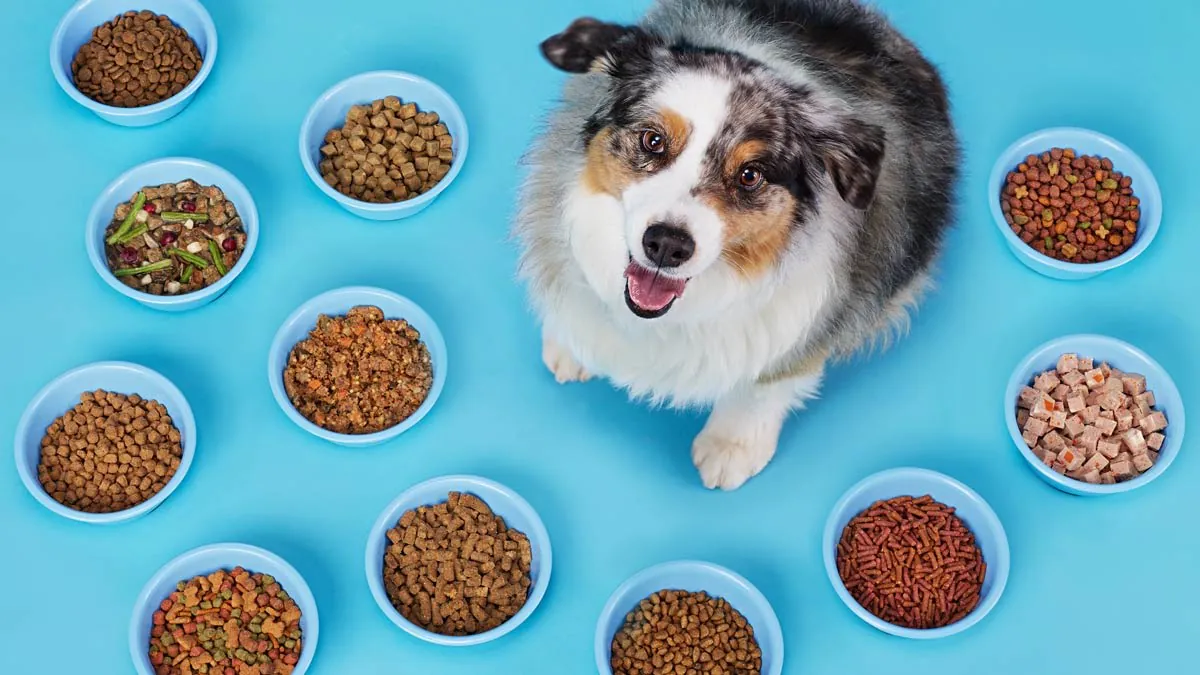
You can tell if a food is working by observing your dog’s coat, energy, and stool quality. A healthy dog should have a shiny coat, steady energy levels throughout the day, and firm, regular stools.
If you notice dull fur, constant itching, or frequent digestive issues, the current food may not be providing the right balance of fats or proteins for your individual dog. The ultimate test is a body condition score; your vet can show you how to feel your dog’s ribs to ensure they’re at a healthy weight.
Common Nutritional Errors
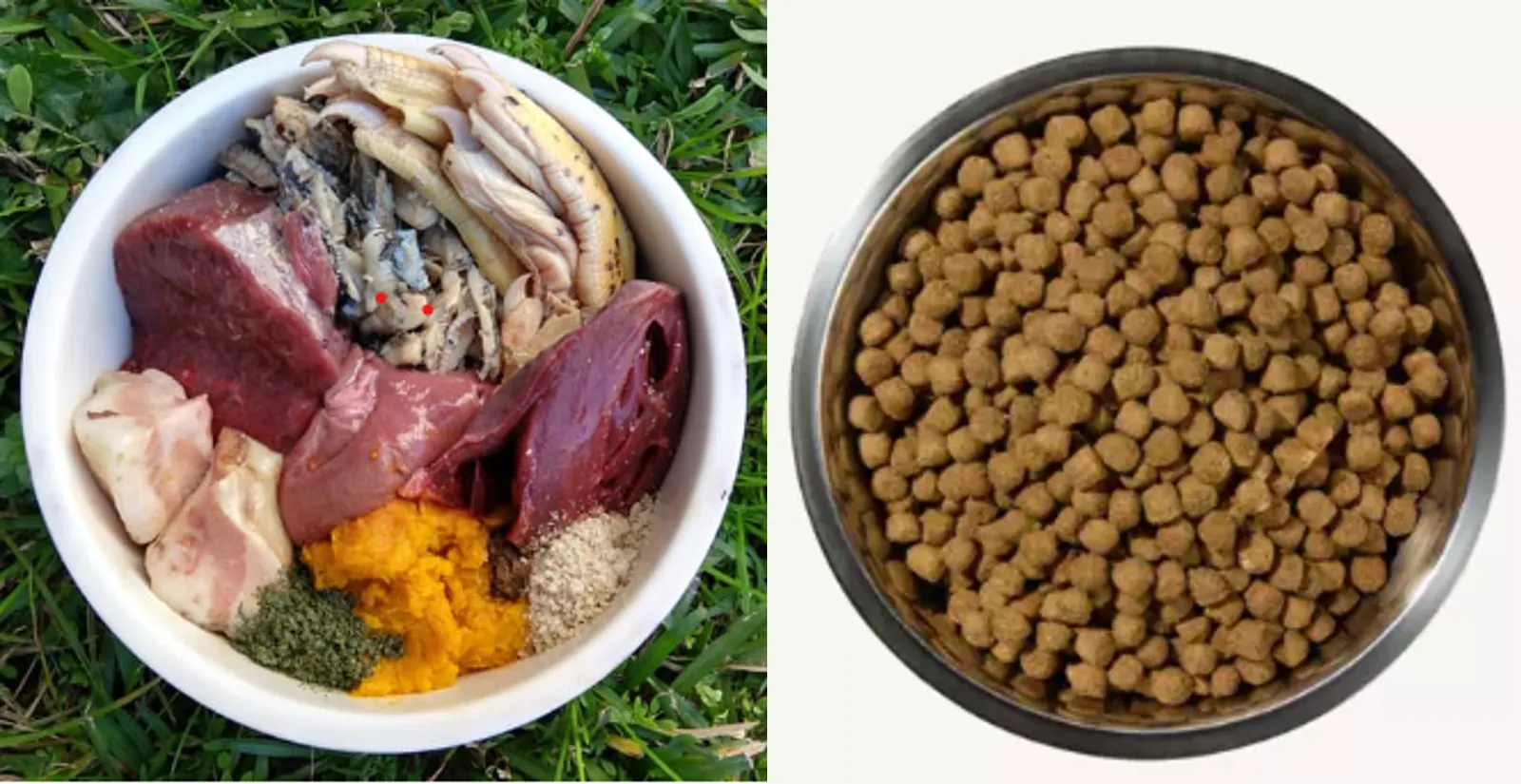
- Ignoring the transition period: Switching foods too fast can cause severe diarrhea and vomiting because the gut microbiome can’t adapt quickly. Always use a 7 to 10-day window to slowly increase the ratio of new food to old food.
- Overfeeding based on bag instructions: Feeding labels are just estimates, and every dog has a different metabolism based on exercise levels. Monitor your dog’s weight monthly and adjust the amount by 10% if you notice they’re gaining or losing too much weight.
- Adding too many table scraps: Extra treats can lead to obesity and nutrient imbalances by diluting the vitamins in your dog’s main meal. Keep human food to less than 10% of their total daily caloric intake to ensure their primary diet remains effective.
Frequently asked questions
Can I feed my dog human food?
No, you shouldn’t replace your dog’s primary diet with human food because it’s often missing essential nutrients like taurine or calcium. While some plain, cooked proteins or vegetables are safe as occasional treats, they should never make up more than 10% of your dog’s daily calories.
How much should I feed my dog?
You should feed your dog the amount recommended on the packaging as a starting point, then adjust based on their weight and activity. If your dog has a high activity level, they may need 20% more calories than the label suggests, while sedentary dogs often need 10% less.
Is grain-free dog food safer?
No, grain-free diets aren’t inherently safer and have been investigated for potential links to heart issues in certain breeds. Unless your veterinarian has diagnosed a specific grain allergy, a high-quality diet that includes grains is generally recommended for balanced nutrition.
How long does a bag of dog food last?
A bag of dog food typically stays fresh for 4 to 6 weeks after opening if stored in a cool, dry place. Always check the “best by” date on the packaging, as oils in the food can go rancid after the manufacturer’s suggested window, making the food unpalatable.
Why is my dog not eating their food?
Your dog may refuse food due to dental pain, stress, or simply because they don’t like the taste of a new formula. If your dog skips more than two consecutive meals, it’s time to visit your veterinarian to rule out underlying health issues or dental problems.
How often should I change my dog’s food?
You don’t need to change your dog’s food frequently if they’re healthy and enjoy their current diet. In fact, many dogs thrive on a consistent, high-quality formula for years; only change their food if their life stage changes or if your veterinarian recommends a specific medical diet.
Conclusion
Maintaining a consistent feeding routine is the best way to support your dog’s long-term health. If you’re ever unsure about a product, your veterinarian is the best resource to help you interpret labels and choose a food that matches your dog’s specific health profile.