
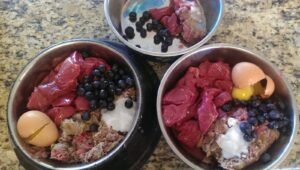
Feeding your dog a balanced diet that meets the nutritional standards set by the Association of American Feed Control Officials is the best approach. You should choose high-quality commercial food that matches your pet’s life stage, activity level, and specific health needs.
Best things to feed your dog
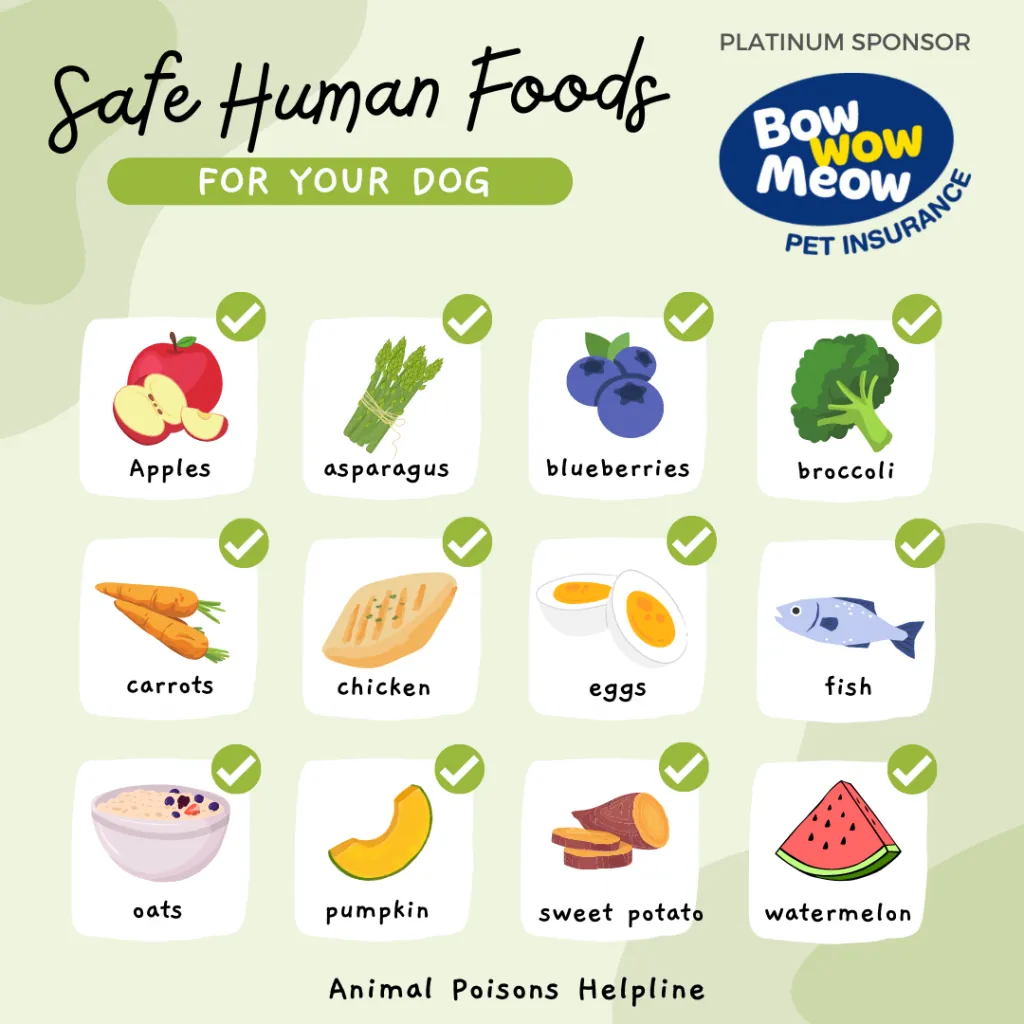
- Check for a statement on the label that the food is “complete and balanced” for your dog’s age.
- Pick a formula specifically designed for “puppy,” “adult,” or “senior” needs to ensure the right nutrient density.
- Look for a named protein source, such as “chicken” or “beef,” as the first ingredient on the package.
- Avoid foods that lack a clear manufacturer contact address or don’t provide a guaranteed analysis of nutrients.
- Measure portions exactly using a standard measuring cup rather than guessing, as overfeeding is a common cause of obesity.
Why balanced nutrition matters
Dogs require a precise combination of proteins, fats, vitamins, and minerals to maintain healthy organ function and energy levels. These nutrients must exist in specific ratios to prevent deficiencies or toxicities over time. If a diet isn’t balanced, your dog may suffer from poor coat health, weak bones, or chronic digestive issues.
The Association of American Feed Control Officials establishes the minimum and maximum nutrient requirements that pet food companies must follow to ensure safety. When you buy food with an AAFCO statement, the manufacturer is claiming the product meets the nutrient profiles established by AAFCO.
Most healthy dogs thrive on these standard diets, but you should always monitor your pet’s weight and energy. If your dog seems lethargic or loses weight, consult your veterinarian to see if your specific brand is providing the necessary calories for your dog’s metabolism.
When dietary needs change
| Situation | What changes | What to do instead |
|---|---|---|
| Puppyhood | Higher calorie needs | Feed growth-specific puppy formula |
| Senior years | Lower metabolism | Switch to lower-calorie senior food |
| Allergies | Ingredient sensitivity | Use limited-ingredient or prescription diets |
| Pregnancy | Increased energy demand | Provide high-calorie lactation formulas |
| High activity | Working dog needs | Increase portions of performance food |
How to feed your dog properly
- Read the feeding guide on the bag to find the daily amount suggested for your dog’s current weight range.
- Divide that total daily amount into two equal meals to help your dog maintain steady energy levels throughout the day.
- Use a standard measuring cup for every meal, as pouring from the bag often leads to feeding too much food.
- Transition to a new brand slowly over 7 days by mixing in 25% new food, increasing it gradually to avoid stomach upset.
- Provide constant access to fresh, clean water in a washed bowl to support digestion and prevent dehydration throughout the day.
- Assess your dog’s body condition every month by feeling their ribs; you should feel them easily without pressing hard through fat.
Common mistakes that ruin health
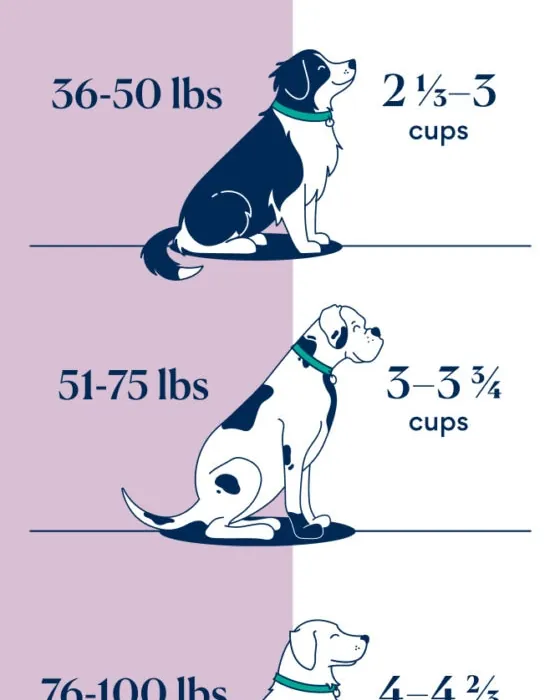
- Feeding human leftovers often introduces too much fat or toxic ingredients like onions and garlic into your dog’s system.
- Ignoring the serving size on the bag leads to rapid weight gain, which puts dangerous stress on your dog’s joints.
- Changing brands too quickly causes severe diarrhea or vomiting because the dog’s stomach can’t adjust to the new ingredients.
- Leaving food out all day encourages overeating and makes it impossible to track exactly how much your dog consumes.
Frequently asked questions
Can I feed my dog raw meat?
Raw meat carries a high risk of bacterial contamination like Salmonella and E. coli, which can make both your dog and your family sick. Most veterinarians recommend cooked, balanced commercial diets to ensure your pet receives safe, complete nutrition without the risk of pathogens.
How long should I feed puppy food?
Puppy food is generally required until your dog reaches 80% to 100% of their expected adult size, which usually happens between 9 and 12 months. Large breeds often need this specialized nutrition for up to 18 months to support their slower bone development.
Is grain-free food better for my dog?
Grain-free food isn’t proven to be better for the average dog and is only necessary if your vet confirms a specific grain allergy. Many dogs thrive on high-quality grains, which provide essential fiber, vitamins, and minerals that support a healthy digestive tract.
What happens if I overfeed my dog?
Overfeeding leads to obesity, which significantly shortens your dog’s lifespan and increases the risk of diabetes, heart disease, and joint pain. You can prevent this by measuring every meal and adjusting portions based on your dog’s body condition rather than just the bag’s suggestion.
Does it matter if I feed dry or wet food?
Dry and wet foods are both fine, but dry food is often better for dental health while wet food helps with hydration. You can mix both if your dog is a picky eater, provided you adjust the total portions to keep their daily calorie intake consistent.
How many times a day should I feed my dog?
Adult dogs should be fed twice a day to manage hunger and keep their blood sugar levels stable. Puppies require three to four meals per day because they have smaller stomachs and higher energy needs for their rapid growth and development.
Conclusion
Choosing the right food for your dog is about meeting their specific life stage and health requirements through consistent, measured portions. By following these guidelines and consulting your vet about your dog’s unique needs, you can ensure they remain healthy and active for many years.
Related guides