
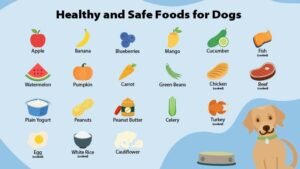
The best food to give a dog is a nutritionally complete, balanced diet formulated by experts to meet the specific life stage and breed size of your pet. You must choose options that comply with the standards set by the Association of American Feed Control Officials to ensure your dog receives the correct mix of protein, fats, and essential minerals.
What to know first
The most important factor is the life stage of your dog. A puppy, an adult, and a senior dog have different energy requirements. If you feed a puppy an adult formula, they may not grow at the right rate; if you feed a senior a high-calorie puppy diet, they will likely become overweight.
The biggest mistake is choosing food based on marketing buzzwords like “natural” or “holistic” rather than checking the nutritional adequacy statement. This costs owners money in vet bills for preventable health issues.
Choosing the best food to give your dog
- Check the bag for an AAFCO statement to ensure the food is labeled for a specific life stage, such as “growth” or “adult maintenance.”
- Measure food using a standard measuring cup twice daily, as overfeeding is a leading cause of canine obesity.
- Transition to new food gradually by mixing a small portion of the new food with the old food, increasing the ratio until the transition is complete.
- Keep fresh water available at all times, as dry kibble requires higher water intake for proper digestion.
- Store dry food in an airtight container in a cool, dry area to prevent fat oxidation and spoilage.
Tip: Always consult your veterinarian before switching to a grain-free or raw diet, as these require careful management to avoid nutrient imbalances.
Feeding Guidelines by Life Stage
Feeding times and amounts vary based on the dog’s metabolism and activity level. This table assumes a standard, moderately active dog; for highly active working breeds, you may need to increase portions by 15-20%.
| Life Stage | Daily Meals | Portion Basis | Watch For |
|---|---|---|---|
| Puppy | 3-4 | Weight/Age | Rapid growth |
| Adult | 2 | Weight/Activity | Body condition |
| Senior | 2 | Weight/Health | Weight gain |
If your dog is eating significantly less or more than these guidelines suggest, schedule a checkup to rule out underlying dental or metabolic issues.
Identifying Proper Health Indicators
Photo: www.corpus.kg on Google
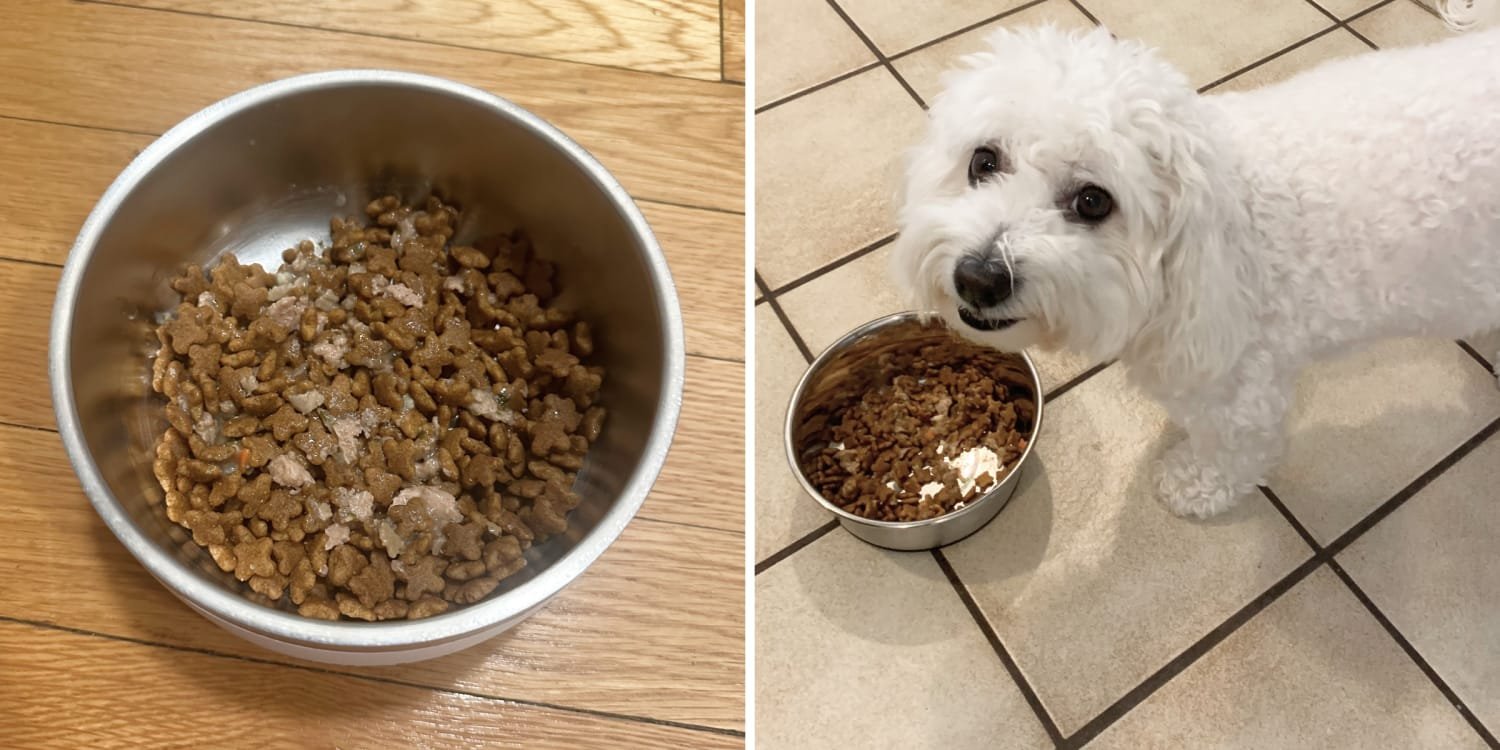
A healthy dog maintains a consistent weight where you can feel their ribs under a thin layer of fat but can’t see them protruding. Their coat should appear shiny and smooth, not brittle or dull. Check their stool regularly; it should be firm and consistent in color. If you notice persistent diarrhea or vomiting, this is a sign that the current food doesn’t agree with their system. When the signs are unclear, a body condition score from your vet serves as the final test to confirm if the current diet is appropriate.
Common Dietary Mistakes
Photo: www.thesprucepets.com on Google
- Feeding human table scraps: This often leads to dangerous weight gain and can introduce toxic ingredients like onions or garlic into your dog’s diet. Always stick to formulated dog food and use dog-specific treats for rewards.
- Ignoring portion control: Many owners use “free-feeding” methods that lead to obesity, which shortens a dog’s lifespan. Use a measured scoop for every meal to keep intake consistent.
- Switching brands too quickly: Rapid changes in diet can cause severe gastrointestinal upset and digestive distress. Always follow a gradual transition period to allow the gut microbiome to adjust to the new ingredients.
Can I feed my dog human food?
No, you shouldn’t make human food the primary source of nutrition because it’s rarely balanced for a dog’s specific needs. While small amounts of plain cooked chicken or carrots are often safe as treats, they lack the essential vitamins and minerals dogs require for long-term health.
How much should I feed my dog?
You should feed your dog based on the calorie density listed on the packaging and their specific weight. Most bags provide a chart, but you must adjust this if your dog is spayed or neutered, as these procedures often lower their daily caloric requirement by about 10-20%.
Is grain-free food better for dogs?
No, there’s no scientific evidence that grain-free food is better for the average dog unless they have been diagnosed with a specific grain allergy by a veterinarian. Many dogs thrive on high-quality grains, which provide fiber and essential energy for daily activity.
How long does a bag of dog food last?
A bag of dog food should be used within a reasonable timeframe after opening; check the manufacturer’s guidance on freshness. Always check the “best by” date on the package, and if the food develops an off-smell or oily texture before that date, discard it immediately.
What should I do if my dog stops eating?
If your dog refuses to eat for more than 24 hours, you should contact your veterinarian for advice. A loss of appetite is often an early sign of dental pain, digestive blockage, or other illnesses that require professional medical attention rather than a change in food brand.
How often should I change my dog’s food?
You don’t need to change your dog’s food often; in fact, a stable diet is usually best for their digestion. If your dog is healthy and maintaining a good weight, there’s no medical reason to rotate flavors or brands unless your veterinarian recommends it for a health reason.
Providing consistent, high-quality nutrition is the most reliable way to support your dog’s long-term health and energy levels. Always monitor their body condition and consult your vet before making significant changes to their routine.
Food give, in short
Always consult your veterinarian before making significant changes to your pet’s bowl. They’ll help you navigate the many brands available and identify any unique health needs your companion might have. It’s a simple way to ensure your furry friend stays happy, healthy, and energized for all your adventures together.