
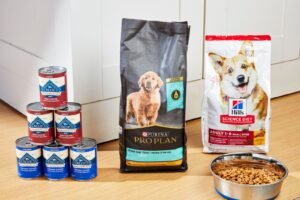
The best thing to feed my dog for long-term health is a complete and balanced commercial dog food that meets AAFCO nutrient profiles.
The most important factor is consistency. If you change your dog’s food too quickly, you’ll likely cause an upset stomach, vomiting, or diarrhea. The biggest mistake is assuming human food scraps are safe or healthy. Many common human foods are toxic to dogs, and feeding them regularly creates nutrient imbalances that can lead to obesity or serious organ issues over time.
Best things to feed your dog
- Select a food that displays an AAFCO statement of nutritional adequacy on the packaging. This indicates the product is formulated to meet AAFCO nutrient profiles for your pet’s life stage.
- Measure every portion using a standard kitchen scale or a measuring cup. Overfeeding is the leading cause of canine obesity, which stresses joints and shortens lifespans.
- Transition your dog slowly by mixing the new food with the old. Start with 25% new food and 75% old food, increasing the ratio over five to seven days. Tip: If your dog refuses to eat, don’t force them; check if the food is spoiled or if they have other symptoms like lethargy.
- Provide fresh water in a clean bowl at all times. Dogs require consistent hydration to digest dry kibble properly. Tip: Wash food and water bowls with hot, soapy water daily to prevent bacteria buildup.
- Consult your veterinarian for a specific feeding plan if your dog has health issues. They can adjust portions based on breed, activity level, and weight.
Meal Timing and Portions
You should feed your dog based on their age and energy needs rather than using a one-size-fits-all approach. While most adult dogs do well with two meals a day, puppies require three or more to maintain steady energy levels. The following table provides a general guide for daily meal frequency, but always check the manufacturer’s label for exact weight-based portions.
| Life Stage | Meals per Day | Activity Level | What to watch for |
|---|---|---|---|
| Puppy | 3-4 | High | Rapid weight gain |
| Adult | 2 | Moderate | Ribs visible but not sharp |
| Senior | 1-2 | Low | Muscle loss or weight gain |
If your dog is consistently losing weight or acting unusually hungry, schedule a vet visit to rule out parasites or underlying metabolic conditions.
Signs of Proper Nutrition
A healthy dog will have a shiny, soft coat and clear eyes without excessive discharge. You should also notice firm, consistent stools, which indicate the body is absorbing nutrients efficiently. If you see dull fur, skin irritation, or frequent digestive distress, the current food may lack the specific fats or proteins your dog needs. The ultimate test is your dog’s energy level: they should be alert and active throughout the day, not sluggish or prone to sudden crashes after eating. If stools remain loose for more than two days, stop the new food and contact a professional immediately.
Common Nutritional Errors
- Feeding excessive treats: Giving too many extra snacks adds empty calories that quickly lead to dangerous weight gain. Limit treats to no more than 10% of your dog’s total daily caloric intake to maintain a healthy balance.
- Ignoring food allergies: Some dogs react to specific proteins like beef or chicken with itchy skin or ear infections. If you notice persistent scratching, talk to your vet about trying a limited-ingredient diet to identify the culprit.
- Relying on marketing claims: Labels like “natural” or “premium” aren’t regulated standards and don’t guarantee better nutrition than standard brands. Always ignore the front-of-pack marketing and look directly at the ingredient list and the nutritional adequacy statement on the back.
Frequently asked questions
How much should I feed my dog?
You should feed your dog the exact amount listed on the bag for their target weight. Check the label for a feeding chart, then adjust slightly if your vet recommends a different weight goal. Always use a standard measuring tool rather than guessing the amount to avoid accidental overfeeding.
Is it safe to feed my dog raw meat?
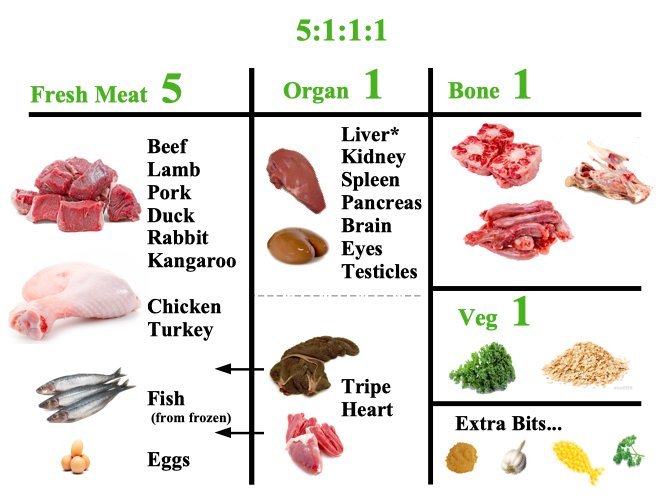
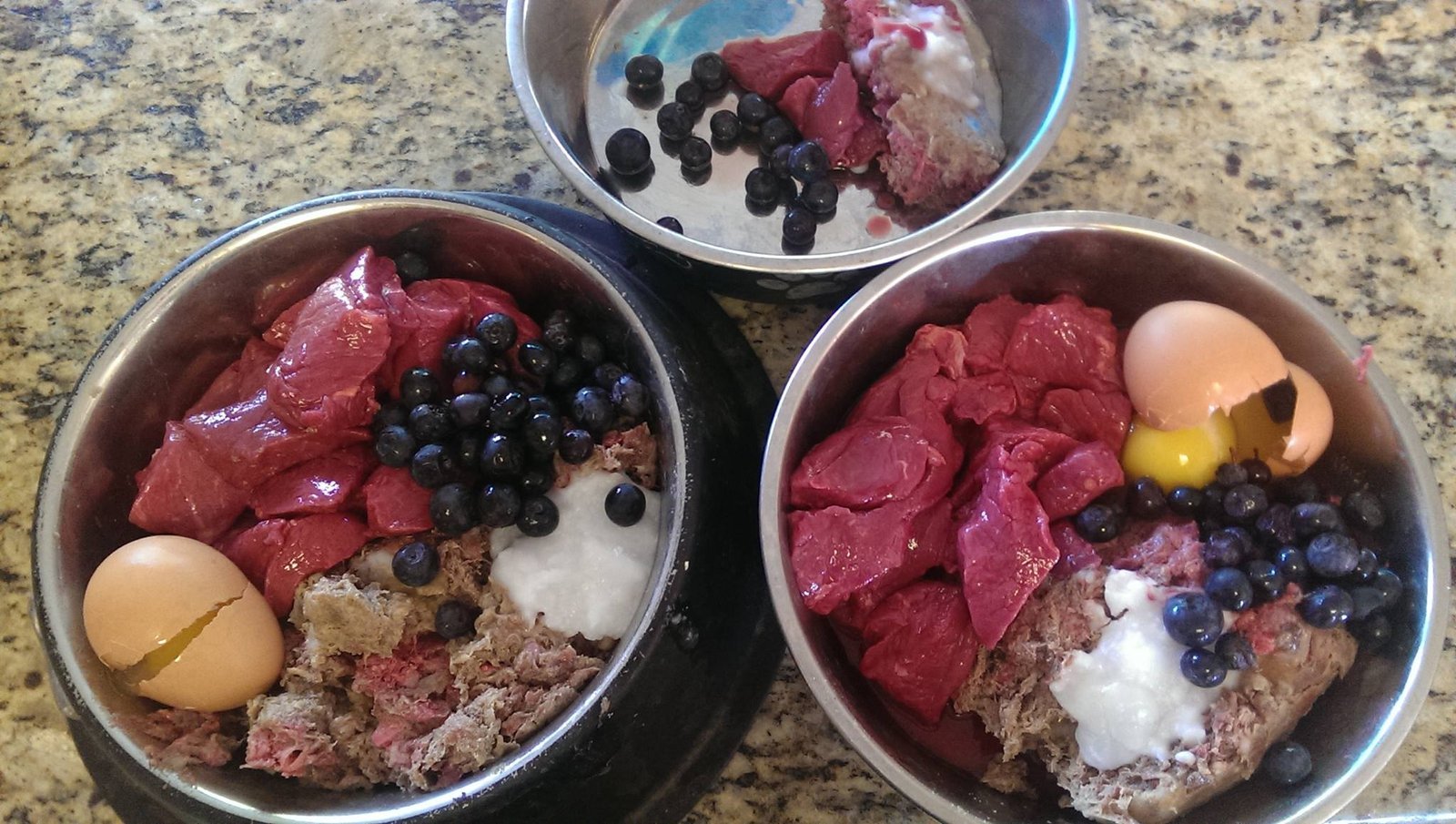
No, feeding raw meat carries a high risk of bacterial contamination like Salmonella or E. coli, which can make both your dog and your family sick. Most veterinarians strongly advise against raw diets due to these safety risks and the difficulty of balancing nutrients properly at home.
Why does my dog keep eating grass?
Most dogs eat grass because of mild stomach upset or simple boredom, but it’s rarely a sign of a serious nutritional deficiency. If your dog is eating grass and also vomiting or acting lethargic, you should take them to a vet to check for a digestive blockage or illness.
How often should I change my dog’s food?
You shouldn’t change your dog’s food unless there’s a medical reason to do so. If you must switch, do it gradually over at least one week to prevent digestive distress. A stable diet is usually the healthiest choice for a dog’s sensitive stomach and regular digestion.
What are the signs of a food allergy in dogs?
The most common signs of a food allergy are chronic ear infections, persistent paw licking, and itchy, red skin. If you notice these symptoms, don’t just change the food brand, as you must identify the specific protein causing the reaction with the help of your veterinarian.
Can I feed my dog human food?
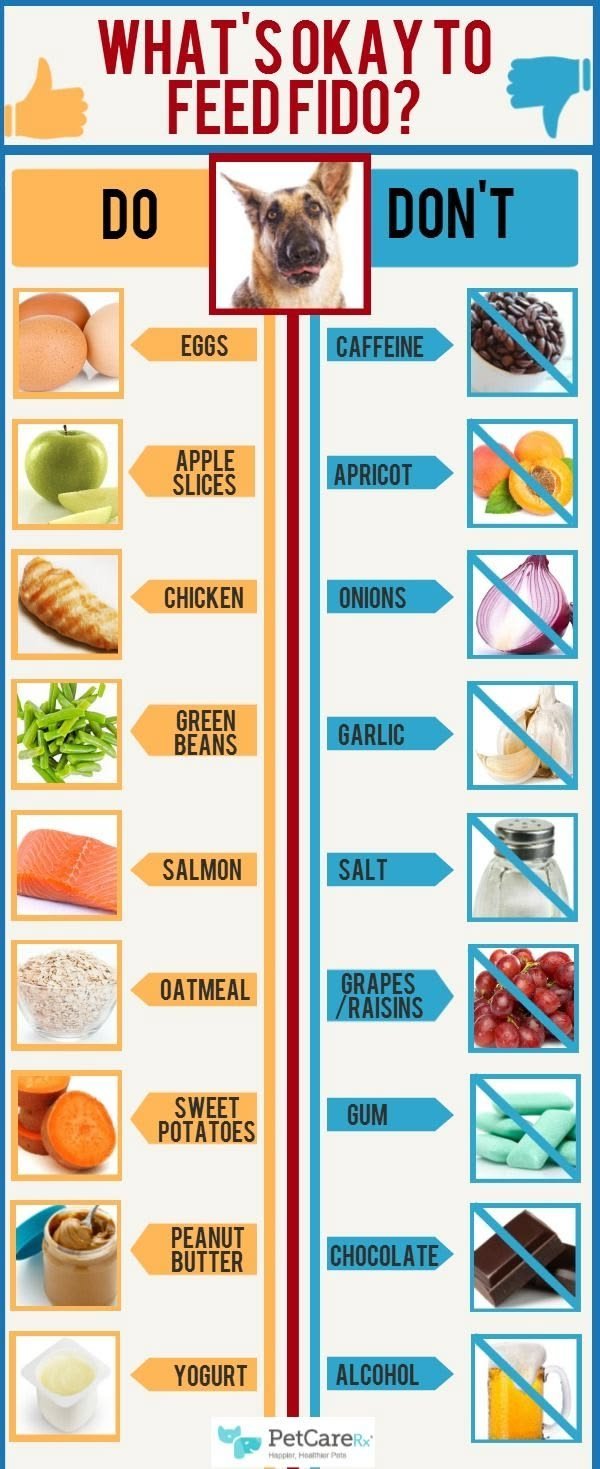
No, you should avoid feeding human food as it’s often too high in fat, salt, or sugar for a dog. Many common items like onions, garlic, chocolate, and grapes are toxic to dogs. Stick to high-quality, formulated dog food to ensure they get every essential nutrient safely.
Thing feed, in short
Feeding your dog a high-quality, balanced diet is the simplest way to support their health and happiness for years. By avoiding human scraps and sticking to a consistent, vet-approved schedule, you ensure your dog stays at a healthy weight and avoids common nutritional pitfalls. Always prioritize the nutritional adequacy statement over marketing claims on the packaging.