
The best kind of dog food provides a complete and balanced diet that meets the nutritional standards set by the Association of American Feed Officials for your dog’s specific life stage. Veterinarians generally recommend choosing a product formulated to meet these criteria, as it ensures your pet receives essential vitamins and minerals.
Nutritional requirements and standards
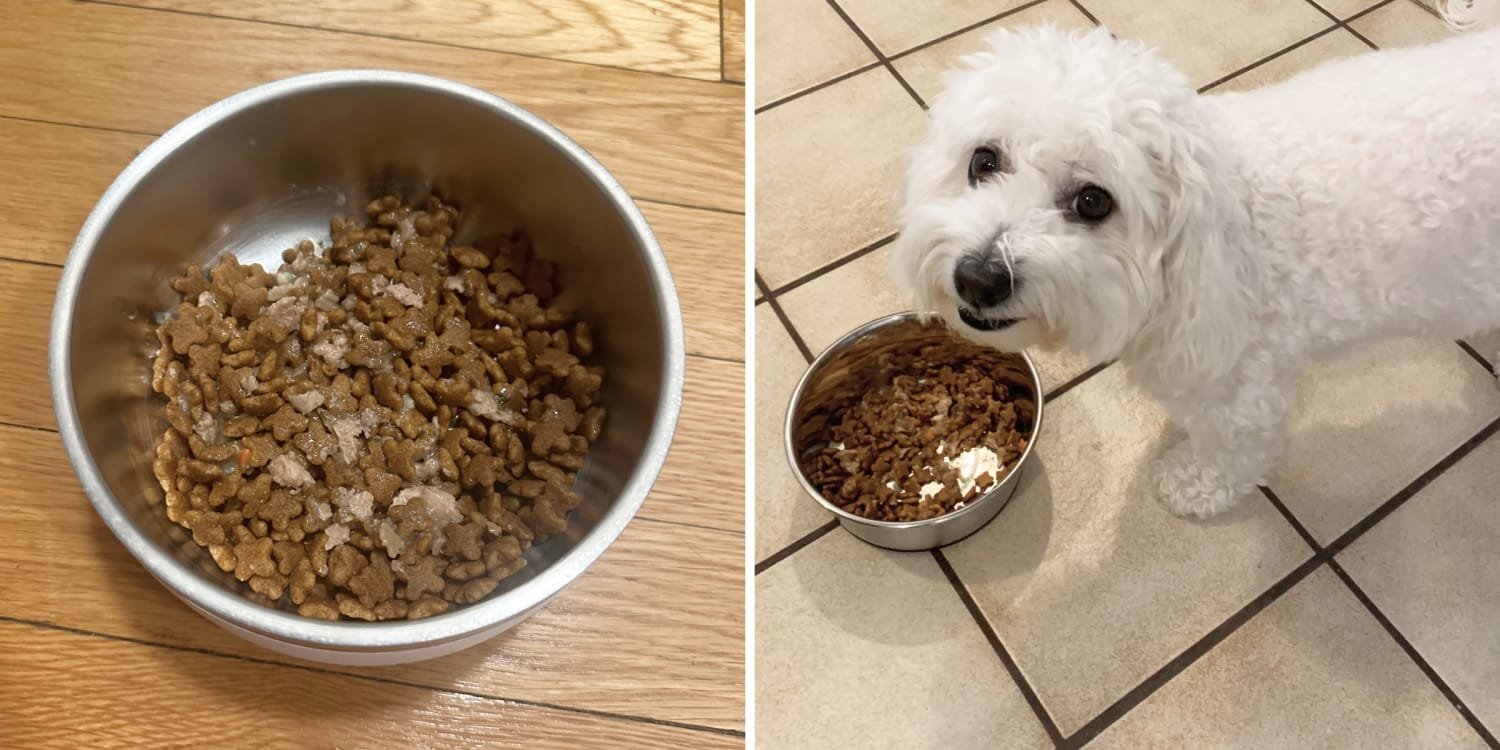
The most important factor in choosing food is verifying that the packaging carries an AAFCO nutritional adequacy statement. This label confirms the food was tested or formulated to meet the minimum nutrient requirements for growth, reproduction, or adult maintenance. A common mistake is buying based on flashy marketing or ingredient lists without checking this specific regulatory statement. If you ignore this, you risk providing a diet that lacks the precise balance of amino acids, fats, and calcium needed for long-term health.
What is the best kind of dog food for your pet
- Check the label for the AAFCO statement to ensure it matches your dog’s life stage, such as puppy, adult, or senior.
- Review the ingredient list for named animal proteins, like “chicken” or “beef,” rather than generic “meat meal” or “meat by-products.”
- Consult your veterinarian about specific health needs, as dogs with allergies or sensitive stomachs often require specialized limited-ingredient diets.
- Transition your dog to the new food gradually over seven to ten days by mixing increasing amounts of the new food into the old.
- Monitor your dog’s weight and body condition score, adjusting portion sizes according to the feeding guide on the package.
Tip: If your dog develops loose stools during the transition, slow the process down by keeping the ratio of old to new food the same for an extra two days.
Tip: Always store dry food in its original bag inside a sealed container to keep it fresh and prevent mold growth, which can happen if the oils in the food oxidize.
Understanding feeding timelines
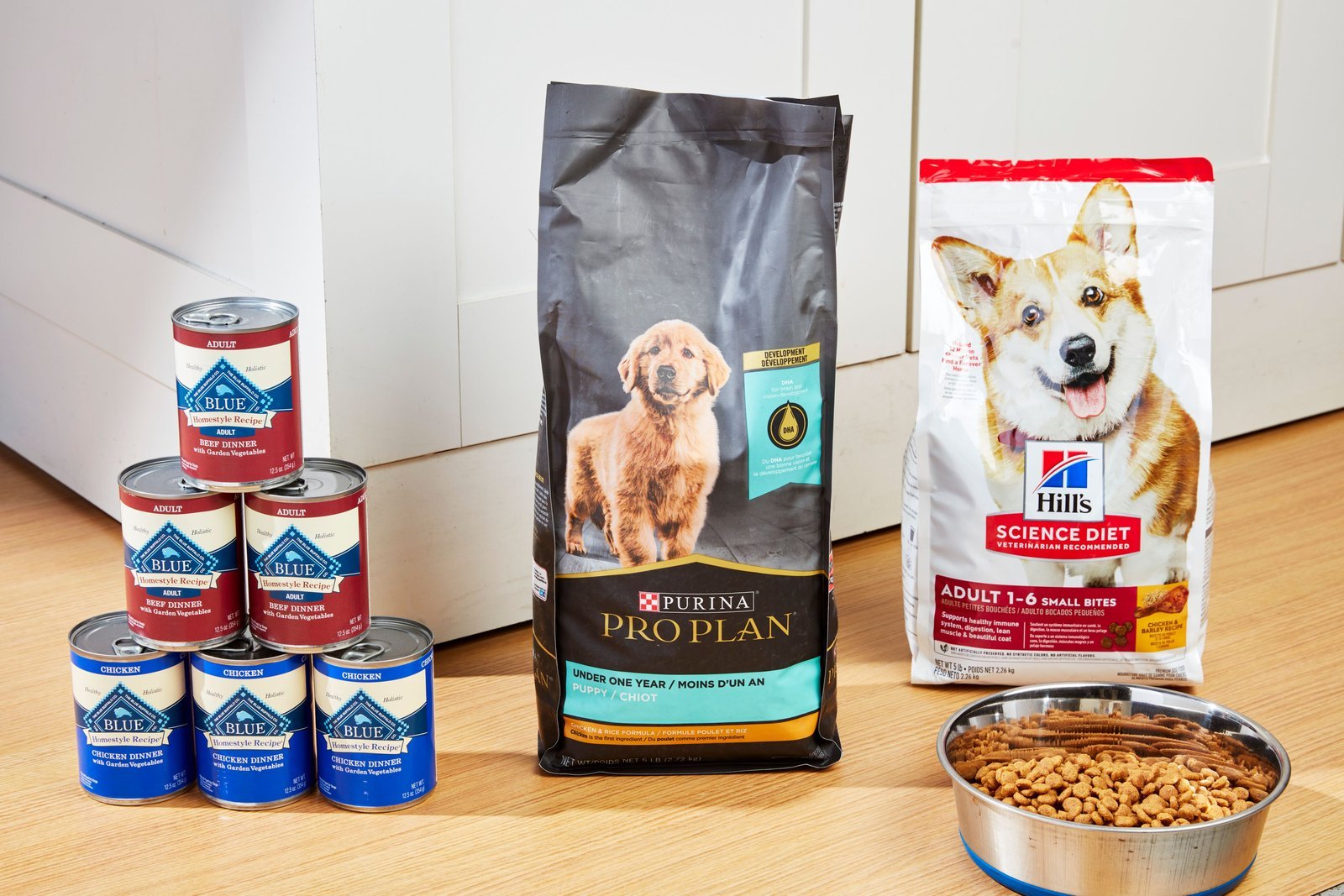
Feeding schedules vary depending on the caloric density of the product and your dog’s daily activity level. According to the AAFCO guidelines for pet food, manufacturers must provide feeding instructions based on the weight of the animal.
| Dog Weight | Daily Calories (Average) | Feeding Frequency | Adjustments |
|---|---|---|---|
| 5–10 lbs | 200–350 kcal | 2 meals daily | Increase for high activity |
| 20–40 lbs | 600–900 kcal | 2 meals daily | Decrease for neutered pets |
| 60–80 lbs | 1,200–1,600 kcal | 2 meals daily | Consult vet for weight loss |
If your dog is consistently leaving food in the bowl, they may be overfed; reduce their portion by ten percent and monitor them for one week.
Evaluating physical health cues
You can assess if a food is working by observing your dog’s physical condition. A healthy dog on a proper diet has a shiny coat, firm stools, and stable energy levels throughout the day. If you notice dull fur, chronic skin irritation, or significant weight changes, the current diet may not be the right fit. The most reliable test for success is a body condition score check performed by your vet, which objectively measures if your dog is underweight, ideal, or overweight. Always prioritize these clinical signs over anecdotal advice from social media.
Common dietary errors
- Overfeeding based on estimates: Providing too much food leads to obesity, which puts strain on joints and organs. Always use a measuring cup rather than guessing the amount.
- Ignoring life stage labels: Feeding a puppy adult food can lead to stunted growth, while feeding a senior puppy food can cause excessive weight gain. Always match the formula to the dog’s age.
- Frequent diet rotation: Switching brands constantly can cause digestive upset and makes it difficult to track if a specific food is causing an allergic reaction. Stick to a high-quality, balanced diet consistently unless your veterinarian advises a change.
Frequently asked questions
Can I feed my dog human food?
No, most human foods aren’t balanced for canine nutritional needs and some are toxic, such as onions, garlic, and grapes. While small amounts of plain cooked meat or vegetables can be used as treats, they should never make up more than ten percent of your dog’s total daily caloric intake.
How do I know if my dog has a food allergy?
Signs of a food allergy include chronic ear infections, itchy skin, and recurring digestive issues like vomiting or diarrhea. If you suspect an allergy, your veterinarian may suggest a strict eight-week elimination diet trial using a hydrolyzed protein formula to identify the specific trigger and manage the symptoms.
Is grain-free food better for dogs?
No, grain-free food isn’t inherently better and should only be used if your veterinarian has diagnosed a specific grain allergy. Many dogs thrive on diets that include high-quality grains like rice or oats, which provide essential fiber and energy for their daily activities and long-term metabolic health.
How long does a bag of dog food last?
A bag of dog food typically stays fresh for four to six weeks once opened if stored in a cool, dry place. Always check the “best by” date on the packaging, as the nutritional quality and vitamin potency begin to degrade significantly after that specific date has passed.
Is wet food better than dry food?
Neither is strictly better, as both can provide a complete and balanced diet. Wet food is often more palatable and contains more moisture, which helps with hydration, while dry food is generally more convenient, cost-effective, and helps support dental health through mechanical action.
What happens if I change my dog’s food too fast?
Changing food too quickly often results in vomiting, diarrhea, and general stomach discomfort for your dog. This occurs because the gut microbiome needs time to adjust to new protein sources and fat levels, so a gradual transition over ten days is essential to prevent these common digestive issues.
Kind dog, in short
Choosing the right meal isn’t just about labels; it’s about your companion’s long-term health. Don’t hesitate to schedule a quick check-up with your vet to discuss your dog’s unique needs. They’ll help you spot the perfect option so your furry friend stays happy, healthy, and full of energy for years to come.