
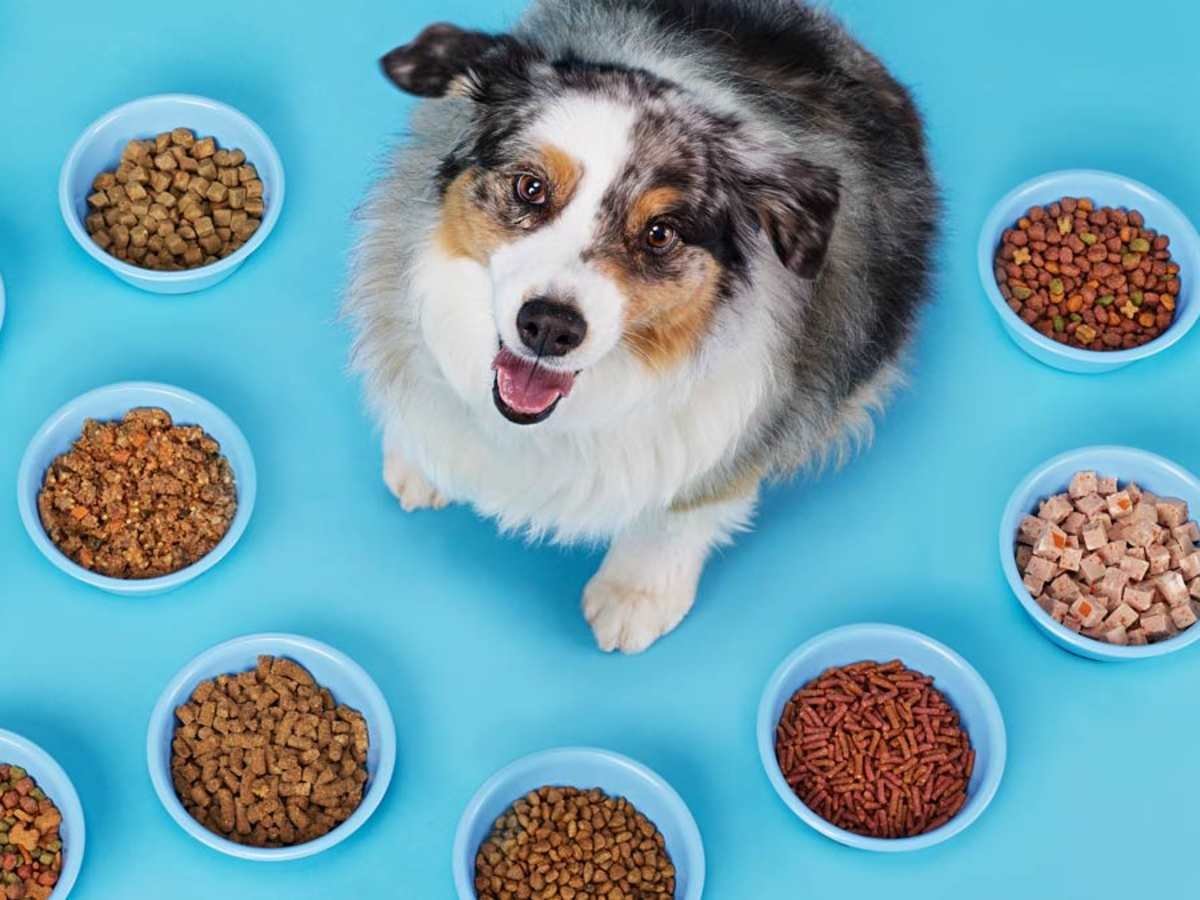
Commercial pet food is a blend of animal-based proteins, carbohydrates, healthy fats, vitamins, and minerals that provide the necessary nutrients for a dog to thrive.
What is really in your dog food
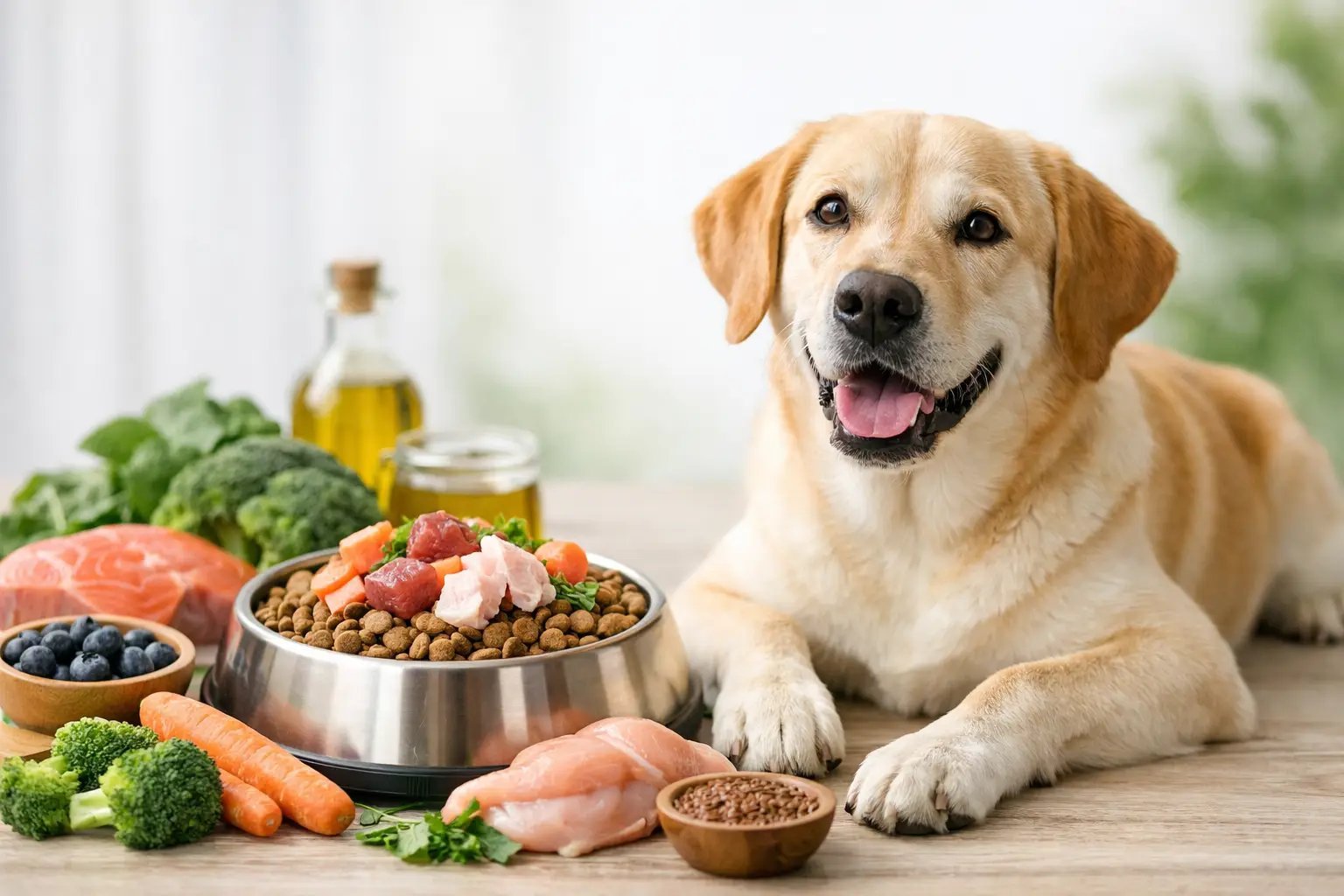
- Animal proteins: Beef, chicken, lamb, or fish provide essential amino acids for muscle growth.
- Carbohydrates: Rice, oats, or barley offer energy, though some grain-free options use peas or sweet potatoes.
- Healthy fats: Fish oil or chicken fat supports skin health and a shiny coat.
- Vitamins and minerals: Added supplements ensure the diet meets the specific life stage of the dog.
- Fiber: Beet pulp or cellulose helps with healthy digestion and regular bowel movements.
- Preservatives: Tocopherols or citric acid keep the food fresh and prevent the fats from going rancid.
Why ingredients matter for health
Most commercial diets follow strict formulation guidelines to ensure they contain the right balance of proteins, fats, and vitamins. The Association of American Feed Control Officials provides the standards that manufacturers use to define what constitutes a complete and balanced meal. When you look at a label, the ingredients appear in descending order by weight. This means the first item is the most abundant ingredient in the bag. Animal proteins should typically be the first ingredient listed. You should look for specific named meats, such as “deboned chicken” or “lamb meal,” to ensure quality. Manufacturers include these ingredients to meet the nutritional requirements for growth, maintenance, or senior health, which change as your dog ages.
Variations in ingredient lists
| Situation | What changes | What to do instead |
|---|---|---|
| Puppy diet | Higher calorie density | Choose formulas labeled for growth |
| Senior dog | Lower fat content | Select diets for joint health |
| Food allergies | Specific protein sources | Use limited ingredient novel proteins |
| Active dogs | Higher protein levels | Look for working dog formulas |
| Weight control | Lower fiber/calorie ratio | Pick high-fiber weight management food |
How to choose the right diet
- Check the bag for a statement confirming it meets the nutritional standards for your dog’s age.
- Read the first three ingredients to confirm a high-quality animal protein is the primary source listed.
- Avoid bags that list “meat by-products” as the first ingredient if you prefer whole muscle meat sources.
- Calculate the daily portion based on your dog’s current weight and activity level using the bag’s guide.
- Store the dry kibble in an airtight container in a cool, dark place to prevent the fats from oxidizing.
- Transition your dog to the new food over seven days by mixing it with the old food gradually.
- Monitor your dog’s coat quality and stool consistency to ensure the food is being digested properly each day.
The mistakes that ruin it
- Feeding based on “human-grade” marketing claims instead of reading the actual nutrient panel on the back.
- Changing your dog’s diet abruptly, which leads to digestive upset, vomiting, or diarrhea.
- Ignoring the serving size recommendations, which causes rapid weight gain and obesity in most dogs.
- Storing large bags in a hot garage, which causes the vitamins to degrade and the fats to turn rancid.
Frequently asked questions
Is grain in dog food bad?
No, grains like rice, oats, and barley are excellent sources of digestible energy for most dogs. Unless your veterinarian has diagnosed a specific allergy to a certain grain, these ingredients provide essential fiber and nutrients that support overall health and digestion.
What are meat by-products?
Meat by-products are the non-rendered, clean parts of slaughtered animals, such as livers, kidneys, or lungs. These parts are highly nutritious and provide essential vitamins, though they’re often misunderstood by owners who prefer to see muscle meat listed on the label.
How long does dog food last?
You should always check the “best by” date on the packaging and keep the bag sealed tightly to prevent moisture, pests, and air from spoiling the contents.
Is raw meat better than kibble?
There’s no scientific consensus that raw meat is superior to processed kibble for the average pet. Raw diets carry a higher risk of bacterial contamination, and you must ensure the diet is nutritionally balanced to avoid dangerous deficiencies over the long term.
Does the price indicate quality?
The price of dog food doesn’t always reflect the quality of the ingredients used in the recipe. You should focus on the ingredient list and the nutritional adequacy statement rather than the cost, as many mid-priced brands meet the same strict standards.
What happens if I overfeed?
Overfeeding leads to obesity, which increases the risk of joint issues, diabetes, and heart disease in dogs. You should follow the exact portion guidelines provided by the manufacturer and adjust them based on your dog’s activity level and weight management needs.
Does the order of ingredients matter?
Yes, the order of ingredients matters because manufacturers must list them by weight. The first few items represent the bulk of the food, so you should prioritize brands that list a high-quality protein source at the very top of the ingredient list.
Dog food, in short
Providing your dog with a consistent, high-quality diet is the most effective way to support their long-term health and vitality. By reading the labels carefully and focusing on specific, named ingredients rather than marketing buzzwords, you ensure that your pet receives the proper nutrition they need for every stage of their life.