
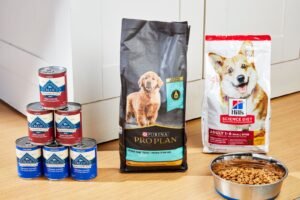
Good dog food for my dog is a balanced diet that meets the standards set by the Association of American Feed Control Officials for your pet’s specific life stage. You must choose a diet that matches their age, size, and health needs.
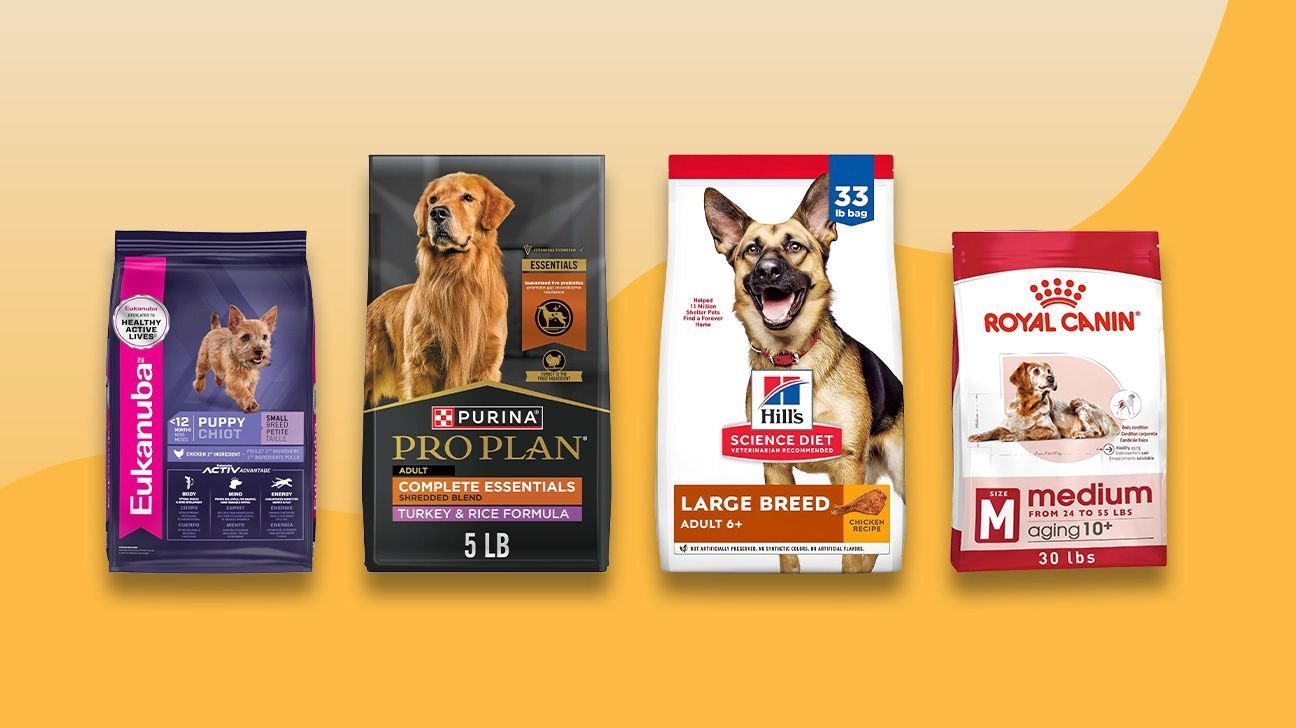
Choosing the right food depends on your pet’s life stage. Puppies need more calories and calcium for growth, while seniors often need lower calories to prevent weight gain. The most common mistake owners make is choosing food based on marketing buzzwords like “natural” or “grain-free” rather than checking the nutritional adequacy statement on the back of the bag. This statement confirms the food has been tested to meet specific health requirements.
Selecting the right nutrition
- Check the label for an AAFCO statement confirming the diet is complete and balanced for your dog’s life stage, such as “growth,” “adult maintenance,” or “all life stages.”
- Match the caloric density of the food to your dog’s activity level to prevent obesity.
- Consult your veterinarian before choosing a specialized diet, such as grain-free or high-protein, as these aren’t necessary for most healthy dogs and may cause issues if not needed.
- If you have a large-breed puppy, select food specifically labeled for large-breed growth to ensure controlled calcium levels that support proper bone development.
- Transition to a new food slowly over seven days by mixing increasing amounts of the new food with the old to avoid stomach upset.
Tip: If your dog has a sensitive stomach, extend the transition period to ten days to allow their digestive system to adjust to the new ingredients.
Feeding time requirements
The amount of time it takes to see results from a new food depends on your dog’s metabolism and current health. Most dogs show a change in coat quality or energy levels within four to six weeks of consistent feeding.
| Situation | Time to see results | What changes it | What to watch for |
|---|---|---|---|
| Healthy adult | 4-6 weeks | Activity level | Weight gain or loss |
| Puppy growth | Ongoing | Breed size | Steady weight gain |
| Skin/coat issues | 8-12 weeks | Omega fatty acids | Reduced itching |
| Weight loss plan | 2-4 months | Daily calories | Monthly weigh-ins |
If your dog shows no improvement or develops new symptoms after eight weeks, contact your veterinarian to rule out underlying conditions.
Identifying when the diet works
You know a food is working when your dog maintains a steady, healthy weight and has a shiny, soft coat. Their energy levels should be consistent throughout the day, and their stool should be firm and regular. If the dog is constantly hungry or seems lethargic, the food may not be providing the right balance of nutrients for their specific metabolic needs. A sudden change in weight—either gaining or losing more than five percent of their body mass in one month—is a sign that you need to adjust the portion sizes or switch to a different formula.
Common dietary errors
- Overfeeding based on bag guidelines: Manufacturers often provide ranges that are too high for sedentary pets, leading to weight gain. Measure your dog’s food with a standard measuring cup rather than estimating by eye to ensure they get exactly what they need.
- Frequent brand switching: Changing foods too often can cause digestive distress and makes it impossible to identify which food works best for your dog. Stick to one high-quality brand for at least three months before deciding if it’s the right fit.
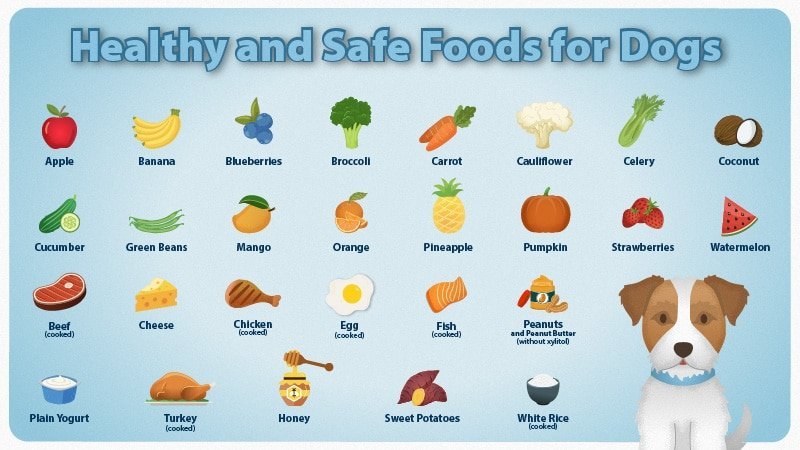
- Excessive table scraps: Giving human food adds hidden calories that throw off the nutritional balance of their primary diet. Keep treats to less than ten percent of your dog’s total daily caloric intake to ensure they get their nutrients from their main food.
Frequently asked questions
How much should I feed my dog?
You should feed your dog based on the calorie count per cup listed on the bag, adjusted for their ideal body weight. Start with the manufacturer’s recommendation for their weight, then reduce the amount by ten percent if your dog starts gaining weight or increase it if they lose weight.
Is grain-free food better for dogs?
No, grain-free food isn’t inherently better unless your dog has a medically diagnosed allergy to specific grains. Most dogs digest grains easily, and these ingredients provide essential fiber and energy that support long-term digestive health and heart function in many canine breeds.
How often should I feed my dog?
Most adult dogs should be fed twice daily to keep their blood sugar levels stable and prevent hunger. Puppies under six months of age usually require three to four small meals a day to support their rapid growth and high metabolic demand for energy.
Can I mix wet and dry dog food?
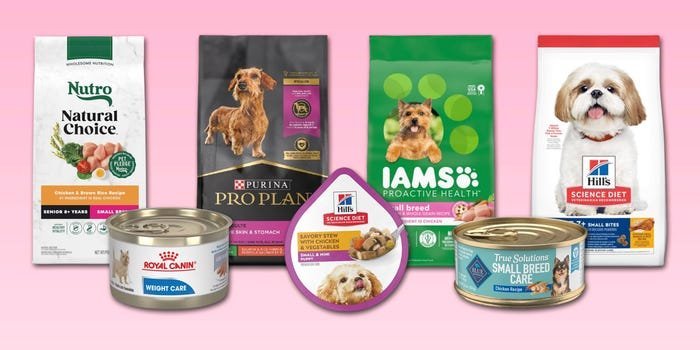
Yes, you can mix wet and dry food as long as you calculate the total calories from both to avoid overfeeding. This is a great way to add moisture to your dog’s diet, but you must ensure both foods are nutritionally complete for their specific life stage.
What happens if I change my dog’s food too fast?
Changing food too quickly often leads to diarrhea, vomiting, or excessive gas as the gut bacteria struggle to process the new ingredients. Always use a seven-day transition period to introduce new proteins and fibers to your dog’s system to prevent these common digestive issues.
Is expensive dog food always better?
No, a higher price doesn’t guarantee better nutrition, as many brands charge more for marketing than ingredient quality. Prioritize foods that meet AAFCO standards and are produced by companies with rigorous quality control and veterinary oversight.
Good dog, in short
Your dog’s nutritional needs will evolve as they grow older, so it’s important to stay observant. Keep an eye on their energy levels and coat quality over the coming months. If you’re still unsure about the best choice, don’t hesitate to schedule a quick chat with your vet for personalized advice.