
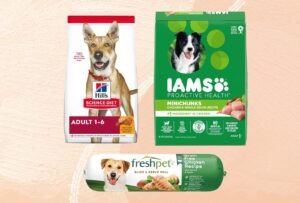
What is good dog food for dogs is any balanced diet that meets the nutritional standards set by the Association of American Feed Control Officials. This assumes the dog is a healthy adult; puppies and senior dogs have different energy and mineral needs.
Essential Nutrients for Healthy Dogs
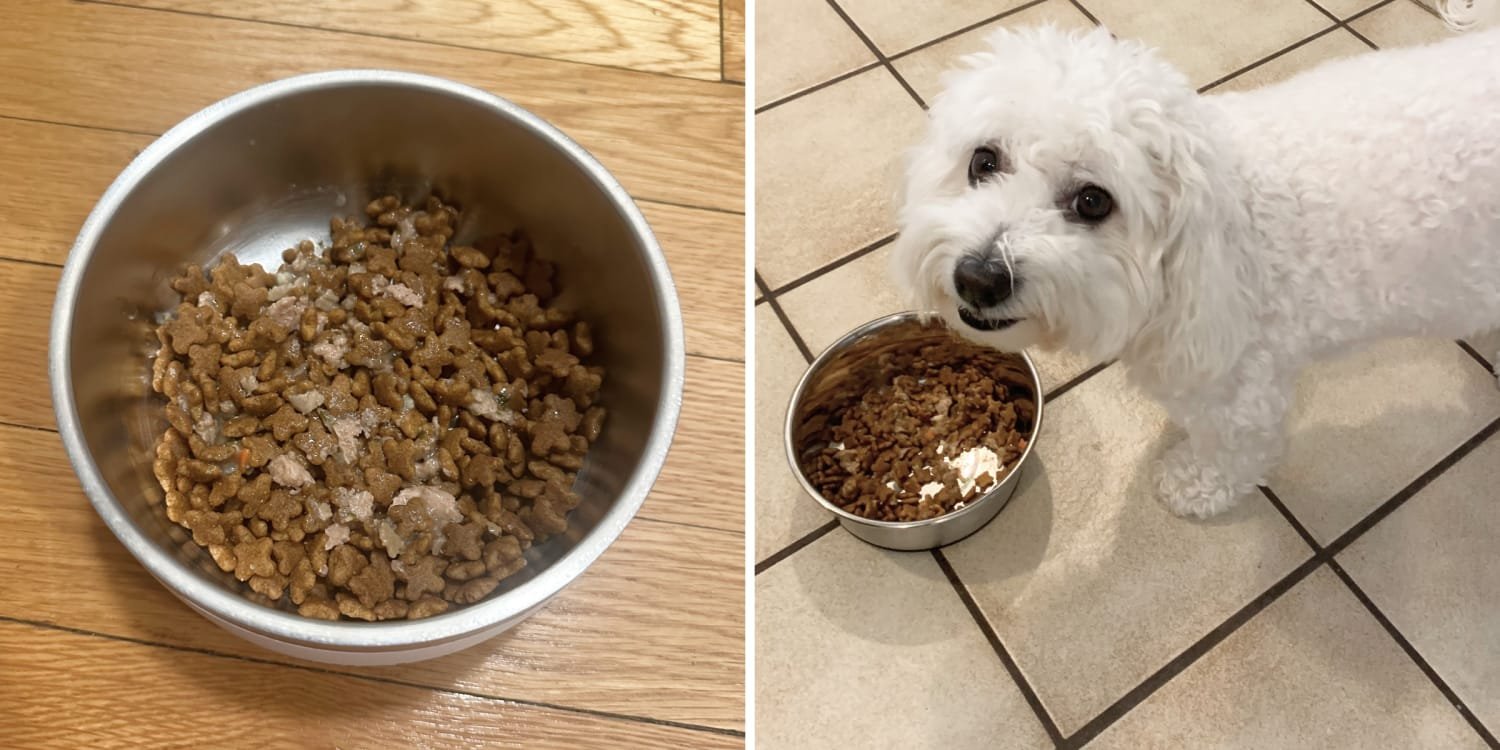
- Protein: Look for named animal sources like chicken, beef, or fish as the first ingredient on the label.
- Fats: Omega-3 and omega-6 fatty acids are necessary for healthy skin and coat maintenance.
- Vitamins and Minerals: Ensure the product includes calcium and phosphorus in the correct ratio for bone health.
- Fiber: Beet pulp or brown rice helps maintain regular digestion for most adult dogs.
- Moisture: Wet food provides extra hydration, while dry kibble helps keep teeth clean through mechanical friction.
- Label Verification: Always check for an AAFCO statement on the packaging, which confirms the food is nutritionally complete.
What Is Good Dog Food for Dogs: Why Quality Ingredients Matter
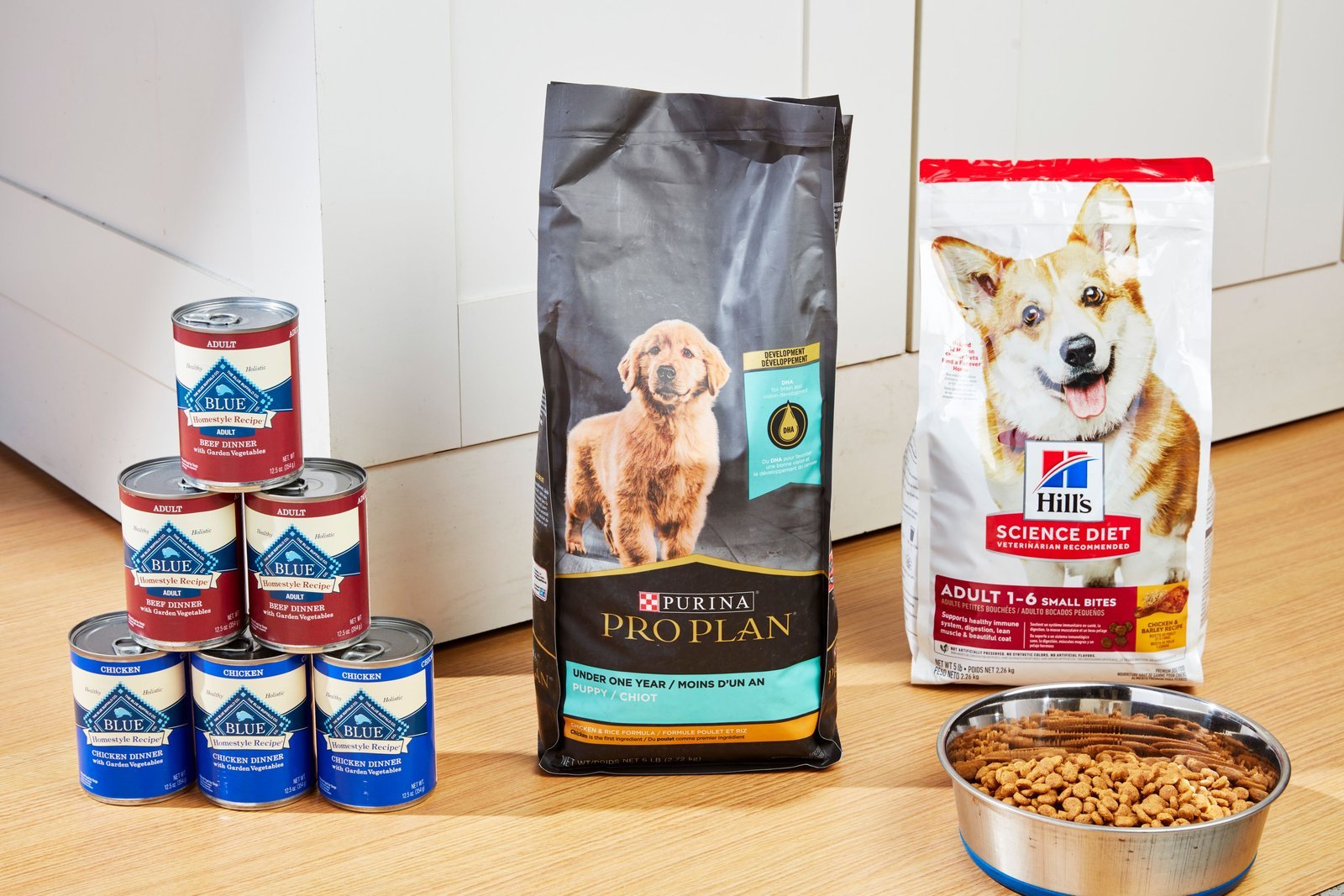
Good dog food provides the exact balance of amino acids, vitamins, and minerals that a canine body requires to function. When you choose a high-quality product, you’re providing fuel that supports muscle repair, immune system strength, and steady energy levels throughout the day. The Association of American Feed Control Officials publishes the nutritional guidelines that manufacturers must follow to label their products as complete and balanced. If a food doesn’t meet these specific levels, it can’t be sold as a daily diet for pets. You should always read the ingredient list to ensure the primary source is a whole animal protein. Avoid products that rely heavily on fillers or unnamed “meat by-products” without clear identification. If you’re unsure about a brand, visit the official company website to view their full nutritional profile and quality control testing procedures.
When Nutritional Needs Change
| Situation | What changes | What to do instead |
|---|---|---|
| Puppy growth | Calorie density | Use specific puppy formula |
| Senior age | Metabolic rate | Feed lower calorie, joint-support food |
| Weight loss | Daily intake | Reduce portions by ten percent |
| Allergy issues | Protein source | Switch to novel protein diets |
| High activity | Energy density | Increase fat content in food |
How to Feed Your Dog Properly
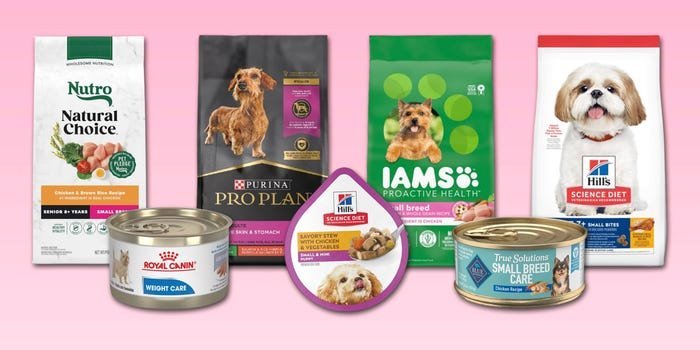
- Read the feeding guide on the back of the bag, which gives the daily amount based on your dog’s current weight in pounds.
- If you have a 20-pound dog, start with the amount recommended for that weight; if the dog gains weight, reduce the portion by 5%.
- Measure the food using a standard kitchen scale rather than a cup for better accuracy, as kibble sizes vary greatly by brand and shape.
- Split the total daily amount into two equal meals to help digestion and keep the dog feeling full throughout the entire day and night.
- Provide fresh, clean water in a stainless steel or ceramic bowl at all times, as hydration is vital for processing dry food nutrients.
- Monitor your dog’s weight every two weeks by feeling their ribs; you should feel them easily without pressing hard through a thick layer of fat.
The Mistakes That Ruin Diet Quality
- Feeding human leftovers creates an imbalance in essential nutrients and often leads to dangerous weight gain.
- Switching food brands too suddenly causes stomach upset and diarrhea, so transition over seven days by mixing old and new.
- Leaving food out all day encourages overeating, which leads to obesity and puts unnecessary stress on your dog’s heart and joints.
- Ignoring the “best by” date on the bag means your dog may eat rancid fats that have lost their nutritional value.
Can I feed my dog only wet food?
Yes, you can feed your dog only wet food, but it’s often more expensive and requires more frequent dental cleaning. Wet food is 70% to 80% water, meaning you must feed a larger volume by weight compared to dry kibble to get the same calories.
How do I know if my dog is allergic to their food?
Common signs of food allergies include chronic ear infections, itchy skin, and frequent paw licking. If you suspect an allergy, consult your veterinarian to start an elimination diet using a novel protein source that your dog has never eaten before.
Is grain-free food better for dogs?
No, grain-free food isn’t proven to be better for the average dog unless they have a specific grain allergy. Most healthy dogs digest grains like rice or oats easily, and these provide necessary energy and fiber for a balanced diet.
How much should a puppy eat per day?
A puppy needs two to three times the calories of an adult dog per pound of body weight, depending on their breed and growth stage. Always follow the feeding chart on the specific puppy formula bag and adjust based on your vet’s growth monitoring.
Does the price of dog food indicate quality?
No, price doesn’t always guarantee quality, though premium brands often invest more in feeding trials and high-quality protein testing. Look for the AAFCO nutritional statement on the label rather than focusing on the price tag or the marketing claims.
What happens if I overfeed my dog?
Overfeeding leads to obesity, which reduces your dog’s lifespan and increases the risk of diabetes and joint disease. If you notice your dog is gaining weight, reduce the daily amount by 5% and increase their daily exercise to burn more calories.
Providing consistent, high-quality nutrition is the most important way to support your dog’s health for their entire life. By following the AAFCO standards and monitoring your dog’s body condition, you can ensure they get the right fuel to stay active and happy. Always consult your veterinarian if you have concerns about your dog’s weight, coat condition, or energy levels.