
To keep your pet healthy, you should choose high-quality commercial kibble or wet food that meets the nutritional standards set for your dog’s life stage, as their age, size, and activity level determine the best diet to ensure they get complete and balanced nutrition every day.
The most important factor is providing a diet that lists a protein source as the first ingredient. A common mistake is feeding dogs human table scraps, which can lead to obesity or toxic reactions. Always check that the packaging states the food is formulated to meet the AAFCO Dog Food Nutrient Profiles for your specific dog. If your dog has health issues, consult your veterinarian before choosing a new diet, as specific medical conditions require specialized veterinary-prescribed formulas.
Best food to give your dog
- Measure your dog’s portions using a standard measuring cup regularly, rather than leaving food out all day.
- Mix a small amount of new food with the old food over seven days to prevent digestive upset.
- Provide fresh, clean water in a stainless steel bowl at all times, washing the bowl daily with soap and hot water.
- Keep the food bag tightly sealed in a cool, dry place to prevent moisture and pests from ruining the kibble.
- Watch your dog’s weight by checking if you can feel their ribs without seeing them; if they gain weight, reduce the portion size by ten percent.
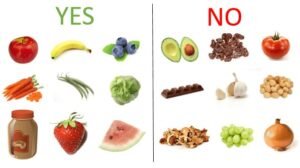
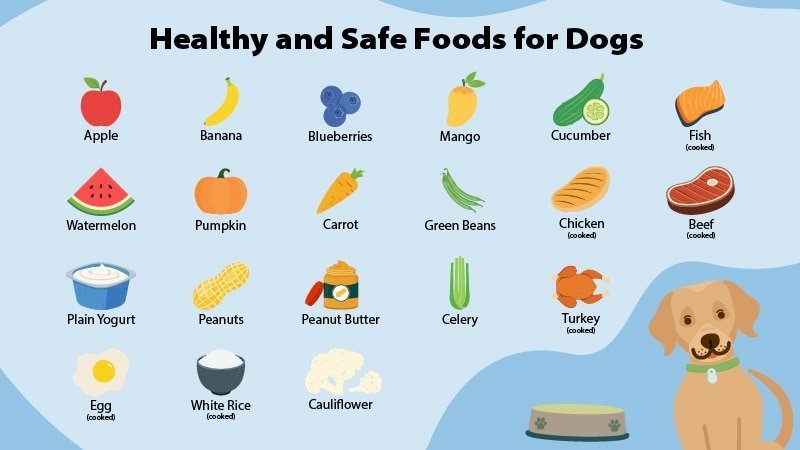
Tip: Never feed your dog grapes, onions, garlic, or chocolate, as these are toxic to their system.
Tip: If you choose to use treats, ensure they account for no more than ten percent of your dog’s total daily caloric intake.
Daily Feeding Variations
Feeding requirements change based on the metabolism and size of the animal. This table provides a rough guide for daily amounts, but always check the label for exact brand instructions.
| Dog Size | Activity Level | Daily Amount (Cups) | What Changes It | What to watch for |
|---|---|---|---|---|
| Small (10 lbs) | Low | 0.5 – 0.75 | Age/Metabolism | Weight gain |
| Medium (40 lbs) | Moderate | 2.0 – 2.5 | Breed type | Rib visibility |
| Large (80 lbs) | High | 4.0 – 5.0 | Working status | Energy levels |
If your dog leaves food in the bowl consistently, reduce the portion size at the next meal; if they act hungry constantly, speak to your vet about potential parasites or metabolic needs.
How to tell when it’s done
Doneness in this context refers to your dog’s satisfaction and physical health. You can tell your dog is eating well if their coat is shiny, their energy levels remain steady throughout the day, and their stool is firm and regular. If the stool is consistently loose, the food may be too rich or contain an ingredient that doesn’t agree with them. The final test is the weight check: if you can no longer feel the ribs under a thin layer of fat, they’re overfed and you must decrease the daily portion immediately.
Mistakes that ruin it
- Free-feeding all day: This leads to mindless grazing and makes it impossible to track if your dog has lost their appetite, which is often the first sign of illness. Always use scheduled mealtimes to monitor intake.
- Adding human supplements: Giving extra calcium or vitamins without vet approval can cause dangerous nutrient imbalances, especially in growing puppies. Stick to a balanced commercial diet unless a professional tells you otherwise.
- Switching brands too fast: Sudden changes in diet often cause vomiting or severe diarrhea because the gut bacteria can’t adapt quickly enough. Always use the one-week transition method to protect their stomach.
- Feeding based on the bowl size: Many owners eyeball the amount instead of using a measuring cup, which leads to accidental overfeeding. Always use a standard measuring tool to ensure consistency.
Frequently asked questions
Can I feed my dog raw meat?
Raw meat carries significant risks of bacterial contamination like Salmonella or Listeria, which can affect both the dog and your household members. Most veterinarians advise against home-prepared raw diets unless they’re formulated by a veterinary nutritionist to ensure they’re nutritionally complete and safe from pathogens.
Is it safe to feed dogs leftovers?
No, most human leftovers are too high in salt, fat, and sugar, and some common ingredients like onions or garlic are toxic. Feeding table scraps encourages begging and often provides poor nutrition, which can lead to pancreatitis or long-term digestive health issues for your pet.
How often should I feed my dog?
Most adult dogs thrive on two meals per day, one in the morning and one in the evening. Puppies under six months of age usually require three to four smaller meals daily to maintain their blood sugar levels and support their rapid growth and development.
What happens if I change my dog’s food suddenly?
A sudden change in food usually results in digestive distress, including gas, vomiting, and diarrhea. Your dog’s digestive system is sensitive to abrupt changes in ingredients, which can lead to gastrointestinal discomfort and potential dehydration.
How do I know if my dog is allergic to their food?
Signs of a food allergy include chronic ear infections, itchy skin, paw licking, and frequent digestive upset. If you notice these symptoms, don’t change the food randomly; consult your veterinarian to perform an elimination diet to identify the specific protein or grain causing the reaction.
Final Thoughts
If you’re still unsure about the right portion sizes or ingredients for your pup, don’t hesitate to schedule a quick chat with your local veterinarian. They’ll help you tailor a plan that works perfectly for your dog’s unique needs, so you’re both feeling confident and happy during every mealtime.