
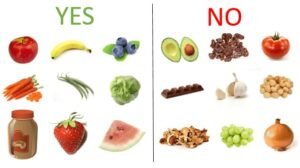
You should provide a balanced diet that meets the nutritional standards set by the Association of American Feed Control Officials to ensure your canine receives essential vitamins and minerals. Choosing the right food for your dog involves prioritizing high-quality protein sources, healthy fats, and complex carbohydrates tailored to your pet’s life stage.
The most important factor is the life stage of your animal. Puppies require higher protein and calorie density to support growth, while senior dogs often need fewer calories and joint support supplements. The most common mistake owners make is ignoring the feeding guidelines on the package. These numbers exist to prevent obesity, which is a major health risk. If you’re unsure about your dog’s specific needs, always consult your veterinarian before making a drastic change to their diet.
Best food to give your dog
Photo: blog.homesalive.ca on Google
- Determine the daily caloric requirement based on your dog’s weight, age, and activity level. If your dog is highly active, you’ll need to increase the portion size by about 10% compared to a sedentary pet.
- Select a commercial food formulated for your dog’s current life stage, such as puppy, adult, or senior.
- Measure the food using a standard measuring cup rather than guessing the amount.
- Split the total daily amount into two equal meals to help digestion and keep hunger levels steady throughout the day.
- Transition to any new brand slowly over seven days by gradually increasing the ratio of new food to old food. Tip: Never add human supplements to commercial kibble without veterinary approval, as this can cause dangerous nutrient imbalances.
- Provide fresh, clean water in a stainless steel or ceramic bowl at all times. Tip: Wash food and water bowls daily with hot, soapy water to prevent the growth of harmful bacteria.
How long it takes
The time it takes for a dog to adapt to a new diet varies depending on their digestive sensitivity and age.
If your dog shows signs of distress for more than three days after a food change, stop and contact your local clinic immediately.
Monitoring Digestive Health
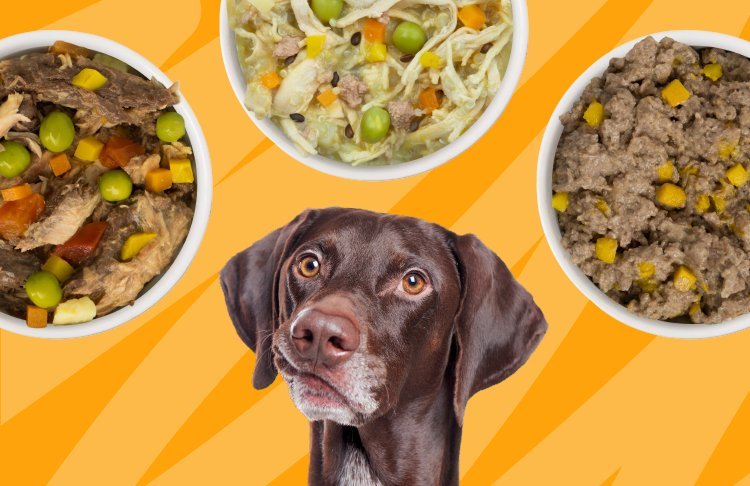
You can tell when a food is working by observing your dog’s physical condition and energy. A healthy dog has a shiny coat, clear eyes, and firm, consistent stools. Check the skin for signs of irritation or redness, which may indicate an allergy to a specific ingredient.
If your dog is maintaining a steady weight and shows consistent energy levels, the food is likely a good fit. If your dog is losing weight rapidly or appears lethargic, you must re-evaluate the caloric intake or consult a professional.
A common mistake is ignoring stool consistency, which is the most reliable indicator of nutrient absorption. If stools are consistently soft or contain undigested food, the current formula may be too rich or lack necessary fiber. Use this decision rule: if stool quality doesn’t improve within seven days of a transition, switch to a limited-ingredient diet to isolate potential allergens.
Mistakes that ruin it
- Feeding table scraps: Human food is often too salty or fatty for dogs, which can trigger painful cases of pancreatitis. Stick to dog-specific treats and measure them as part of the daily calorie count.
- Ignoring the transition period: Switching brands overnight almost always causes severe diarrhea and stomach upset. You must give the digestive system time to adjust to new proteins and fiber sources over at least one week.
- Overfeeding for rewards: Using treats for training is helpful, but these calories add up quickly and lead to obesity. If you give treats, reduce the size of the main meal accordingly to keep the total daily intake balanced.
Frequently asked questions
Can I give my dog raw meat?
Feeding raw meat carries significant risks of bacterial contamination, such as Salmonella, which can affect both the dog and your household. Most veterinarians recommend cooked, commercially prepared diets that meet established safety standards to ensure the food is free from pathogens and provides complete nutrition.
How long should I feed puppy food?
Most small breeds transition to adult food around nine to twelve months, while large breeds may need puppy food until they’re eighteen to twenty-four months old. You should monitor your dog’s weight and body condition score to determine the exact time to switch to adult maintenance formulas.
Is it safe to feed my dog grain-free food?
It’s safe for some dogs, but you must consult your veterinarian first as some grain-free diets have been linked to heart issues in specific breeds. Unless your dog has a medically diagnosed grain allergy, there’s no proven health benefit to avoiding grains in a balanced canine diet.
What happens if I feed my dog chocolate?
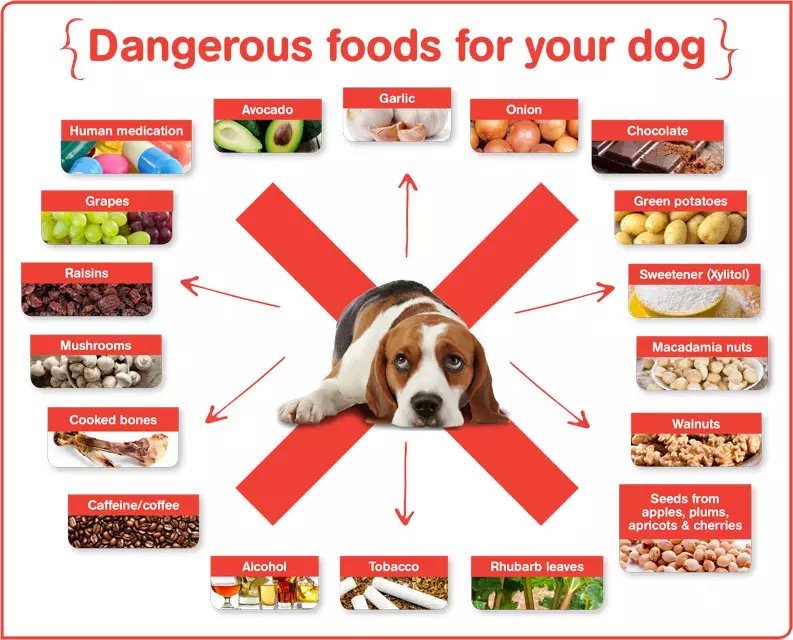
Chocolate contains theobromine and caffeine, both of which are toxic to dogs and can cause heart rhythm problems or seizures. If your dog consumes any amount of chocolate, contact an emergency veterinarian or a pet poison control center immediately for instructions based on the dog’s weight.
How do I know if my dog has a food allergy?
Symptoms of food allergies usually appear as persistent itching, ear infections, or recurring skin rashes rather than just stomach issues. If you notice these signs, a vet may suggest an elimination diet to identify the specific ingredient causing the reaction and help you find a suitable alternative.
Final Thoughts
When you’re ready to make a change, start by checking the ingredient label on your current bag. It’s a good idea to chat with your vet before switching brands, as they’ll help you find a recipe that’s perfect for your pup’s unique health needs. Your dog will surely appreciate the extra care.
Related guides