

Regarding what food can you give to dogs, a balanced diet of lean proteins, cooked vegetables, and specific grains is safe.
What food can you give to dogs: Essential principles
The primary rule for canine nutrition is that human food should only complement a high-quality, balanced commercial dog food. Most owners make the mistake of feeding scraps from the table, which often contain hidden salt, fats, or spices that cause digestive distress or pancreatitis. If your dog is overweight, reduce the portion size of their main meal to account for any added treats. This varies by brand and formula—check the label of your specific dog food for caloric density.
Preparing fresh canine meals
- Select lean protein sources like chicken breast, turkey, or white fish, ensuring you remove all bones and skin before cooking.
- Steam or boil vegetables such as carrots, green beans, or sweet potatoes until they’re soft enough to mash easily.
- Cook plain white rice or oatmeal thoroughly in water without adding butter, oil, or seasonings that could irritate the gut.
- Cool all prepared food to room temperature before serving to prevent burns to the mouth.
- Monitor for signs of allergic reactions, such as skin itching or vomiting, after trying a new food item for the first time.
Tip: Never include onions, garlic, grapes, or chocolate in any homemade meal, as these are toxic to canines. Consult FoodSafety.gov’s safe minimum internal temperatures if you’re preparing meat for your pet, as you must ensure it’s fully cooked to prevent foodborne illness.
Time to give dogs food
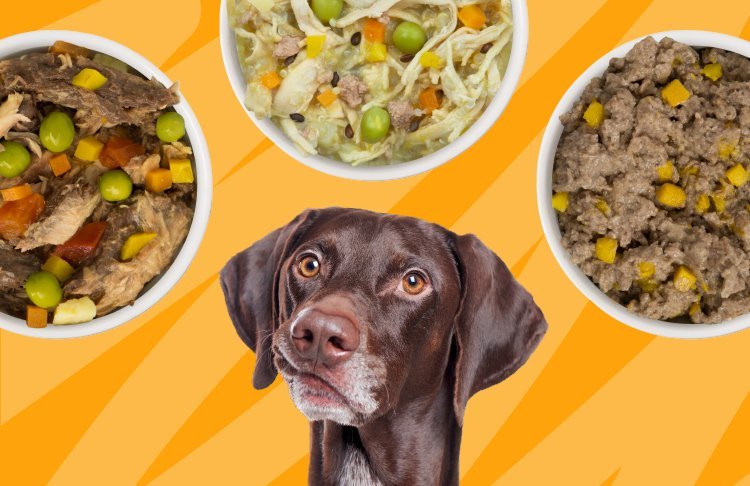
Preparation time depends on the density of the food and the cooking method you choose.
| Situation | How long | What changes it | What to watch for |
|---|---|---|---|
| Steaming carrots | 10–12 minutes | Size of pieces | Texture becomes soft |
| Boiling chicken | 15–20 minutes | Thickness of cut | No pink in center |
| Cooking white rice | 18–20 minutes | Water ratio | Fully absorbed water |
If the food remains firm after the suggested time, continue cooking in two-minute intervals until the desired tenderness is reached.
How to tell when it’s done
Doneness is measured by texture and temperature. For vegetables, the item is done when it’s soft enough to be easily pierced with a fork. For proteins, ensure the meat is cooked thoroughly to a safe internal temperature appropriate for the specific type of meat, which you can verify using a digital food thermometer. If you don’t have a thermometer, ensure the meat is opaque throughout with no signs of translucent or raw areas. Always prioritize texture over speed; undercooked food poses a significant choking and bacterial hazard.
Mistakes that ruin it
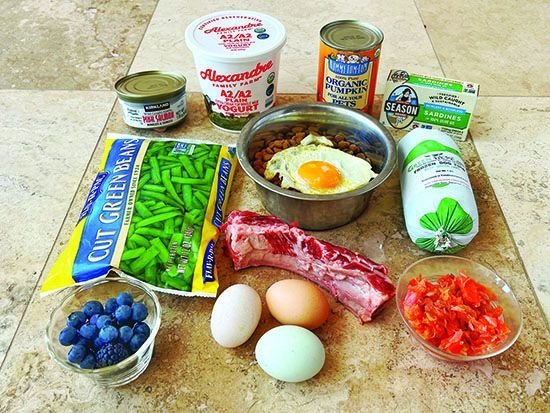
- Adding seasonings: Many spices like onion powder or garlic are toxic to dogs and cause severe anemia. Stick to plain, flavorless ingredients to ensure your pet stays healthy.
- Including bones: Cooked bones become brittle and can splinter, causing internal punctures or intestinal blockages. Always remove every bone before serving any meat.
- Overfeeding human treats: Replacing a full meal with high-calorie snacks leads to obesity and nutrient deficiencies. Treats should never make up more than ten percent of your dog’s daily caloric intake.
- Ignoring portion control: Giving too much food at once causes bloating and digestive discomfort. Start with very small amounts, such as one tablespoon, to see how your dog reacts.
Frequently asked questions
Can dogs eat peanut butter?
Yes, dogs can eat peanut butter in small amounts, provided it doesn’t contain xylitol. Xylitol is a sweetener that’s extremely dangerous for dogs, so always check the ingredient label carefully before sharing any amount with your pet.
Is it safe to feed dogs raw eggs?
No, it isn’t recommended to feed dogs raw eggs due to the risk of Salmonella or E. coli bacteria. Cooking the eggs thoroughly eliminates these harmful pathogens and makes the protein easier for your dog to digest safely.
How often can I give my dog fruit?
You can offer fruit as an occasional treat, not a meal replacement, a few times per week. Stick to safe options like apple slices without seeds or blueberries, and keep the total portion small to avoid an upset stomach from high sugar content.
What happens if my dog eats chocolate?
Chocolate contains theobromine, which is toxic to dogs and can cause heart problems or seizures. If your dog consumes any amount of chocolate, contact your veterinarian immediately for guidance based on the dog’s weight and the type of chocolate eaten.
Can dogs eat dairy products?
Most dogs are lactose intolerant and struggle to digest milk or cheese properly. While some dogs handle small amounts of plain yogurt without issue, many will experience diarrhea or gas, so it’s best to avoid dairy unless you know your dog tolerates it.
Final Thoughts
Always check with your vet before introducing new items to your pet’s bowl, as every dog’s stomach is unique. Once you’ve confirmed these treats are safe, you’ll feel much more confident sharing healthy snacks. It’s a wonderful way to bond, so don’t hesitate to start small and see what they enjoy most.