
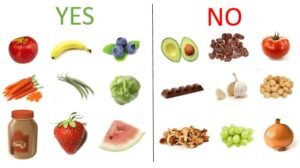
If you are wondering what food can you give a dog, you can provide a healthy diet with high-quality kibble, supplemented by plain cooked meats, vegetables, and specific fruits. Always prioritize plain, unseasoned ingredients to avoid toxicity.
What food can you give a dog: A quick guide
Photo: www.carecredit.com on Google
- Feed only lean, cooked proteins like chicken or turkey without skin, bones, or added salt.
- Offer plain, steamed vegetables like carrots, green beans, and broccoli in bite-sized portions.
- Provide small amounts of apple slices without seeds or cores, as seeds contain cyanide.
- Limit treats to no more than 10% of your dog’s total daily caloric intake.
- Remove all pits from stone fruits like cherries or peaches to prevent choking and internal blockage.
Why safe preparation matters for pets
Dogs have different digestive systems than humans, which makes the way you prepare their food critical for their long-term health. Many common human spices, such as onion powder, garlic, and excessive salt, can cause severe gastrointestinal distress or even anemia in dogs. When you cook meat, you must ensure it reaches a safe internal temperature to kill harmful bacteria like Salmonella, which can affect pets just as easily as humans. If you’re unsure about a specific ingredient, consult your veterinarian before feeding it, as individual sensitivities vary wildly between breeds and ages. Avoid all foods containing xylitol, a common artificial sweetener found in peanut butter and gum, as it causes rapid, life-threatening drops in blood sugar. By keeping meals simple and free of additives, you protect your dog from accidental poisoning and maintain a healthy weight. Always read the back of any commercial food package to understand the recommended serving size for your dog’s specific weight.
When the answer is different
Photo: www.weruva.com on Google
| Situation | What changes | What to do instead |
|---|---|---|
| Puppy or senior | Nutrient needs | Consult your local vet |
| Known allergies | Ingredient list | Use limited-ingredient diets |
| Overweight dog | Calorie density | Reduce portion sizes |
| Sensitive stomach | Fiber content | Feed bland boiled rice |
| Small breed | Choking risk | Chop food finely |
How to do it properly
- Wash all fresh produce thoroughly under cool running water to remove dirt, pesticides, and any lingering chemical residues before serving.
- Remove all seeds, pits, and cores from fruits, as these parts can cause dangerous intestinal blockages or release toxic compounds when chewed.
- Boil or steam vegetables until they’re soft enough to mash with a fork, which makes them easier for your dog to digest.
- Cook lean poultry to an internal temperature of 165°F, checking with a meat thermometer to ensure it’s fully cooked throughout the center.
- Cut all solid foods into small, bite-sized pieces that match your dog’s mouth size to prevent the risk of choking during fast eating.
- Introduce only one new food at a time in a tiny amount to monitor for any signs of an upset stomach or allergic reaction.
- Keep track of every extra treat you give, ensuring that these snacks never exceed 10% of the dog’s total daily calorie requirement.
The mistakes that ruin it
- Feeding cooked bones, which splinter easily and can cause life-threatening punctures in the digestive tract.
- Giving grapes or raisins, as even small amounts can cause sudden and irreversible kidney failure in some dogs.
- Sharing food with seasonings like garlic or onions, which damage red blood cells and lead to severe anemia.
- Leaving high-fat table scraps out, which frequently triggers painful and dangerous inflammation of the pancreas known as pancreatitis.
Frequently asked questions
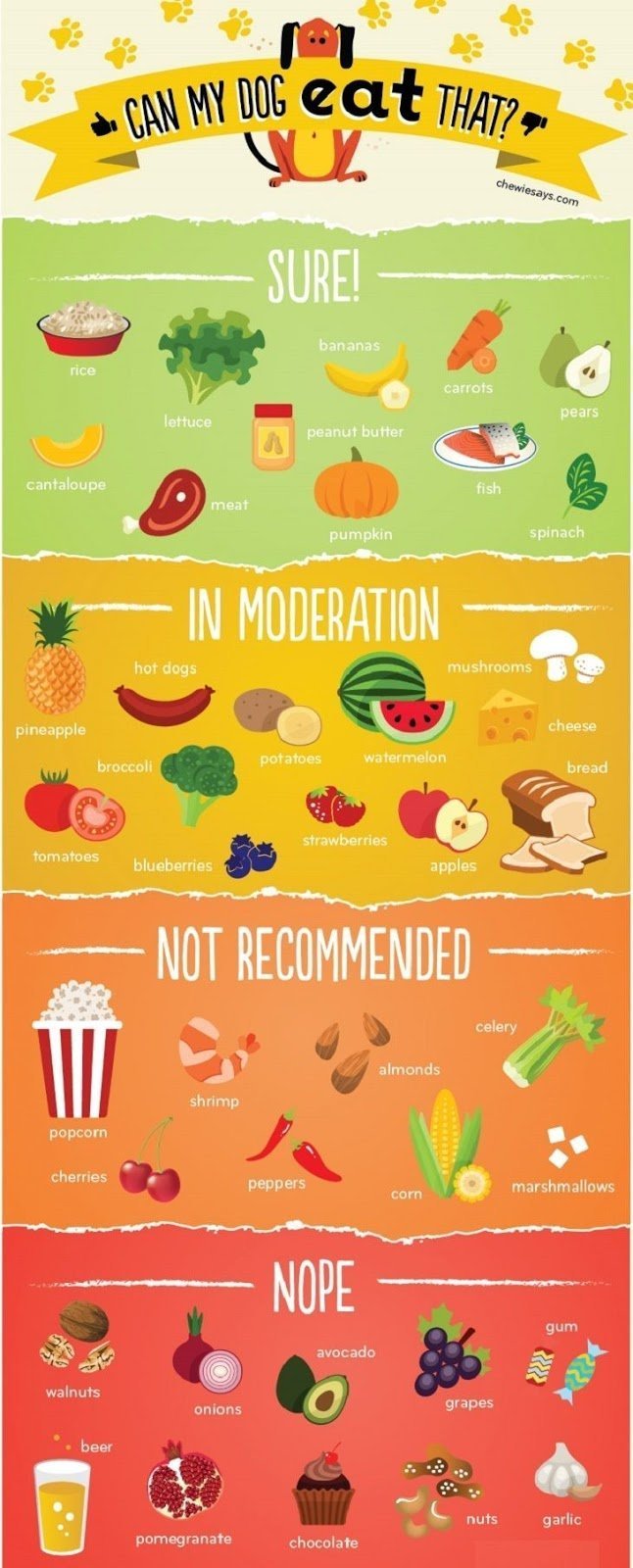
Can dogs eat peanut butter?
Yes, but only if it’s free of xylitol, an artificial sweetener that’s highly toxic to dogs. Always check the ingredient label carefully before feeding, as many brands change their formulas without notice.
How much fruit is safe?
A few small slices per day is enough for most dogs, provided they aren’t replacing a balanced meal. Fruit is high in natural sugar, so keep portions small to prevent weight gain.
Is it safe to feed raw meat?
No, feeding raw meat carries a high risk of bacterial contamination for both the dog and the household. The safest approach is to cook all proteins thoroughly before serving them to your pet.
What should I do if my dog eats chocolate?
Contact your veterinarian or an animal poison control center immediately if your dog consumes chocolate. The toxicity depends on the cocoa content and the dog’s weight, requiring professional medical assessment.
Can dogs eat dairy products?
Many dogs are lactose intolerant and will develop diarrhea or gas after eating dairy. If you want to offer cheese, use only a tiny, plain piece as a rare training treat.
How do I know if a food is bad for my dog?
Check the official website of the ASPCA or your local veterinary association for a list of toxic foods. If your dog acts lethargic or vomits after eating, call your vet.
Final Thoughts
When introducing these new snacks, start with tiny portions to see how your pup’s tummy reacts. It’s always best to chat with your vet before making big changes to their routine. They’ll help you figure out the perfect balance, ensuring your furry friend stays happy, healthy, and full of energy.