
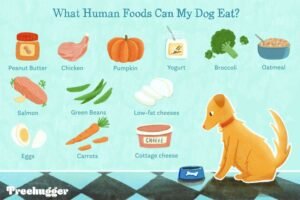
If you are wondering what food can you feed dogs, you can safely offer cooked lean meats, plain boiled rice, and fresh vegetables like carrots, provided you avoid human leftovers containing harmful additives.
Nutritional Guidelines
The most important rule is that dogs are omnivores but need a balanced diet. A common mistake is feeding them high-fat scraps from your plate, which can lead to pancreatitis. If you feed them only meat, they will miss out on vital fiber. If you feed them only vegetables, they may lack essential proteins.
What Food Can You Feed Dogs?
- Select a lean protein source like chicken breast or white fish, removing all skin, bones, and visible fat.
- Cook the protein thoroughly by boiling or baking without using any butter, oil, salt, or garlic.
- Prepare a carbohydrate base by boiling plain white or brown rice until it’s soft and fully cooked through.
- Add steamed vegetables such as green beans, carrots, or pumpkin, ensuring they’re chopped into small, bite-sized pieces.
- Cool the food to room temperature before serving to prevent burns.
Tip: Always introduce new foods slowly over a few days to avoid upsetting your dog’s stomach.
Tip: Consult your veterinarian before changing your dog’s diet, as AKC nutritional guidelines for dogs vary based on the breed, age, and health status of your specific pet.
How long it takes
Preparation time depends on the protein type and the cooking method you choose for your home-cooked meals.
| Situation | How long | What changes it | What to watch for |
|---|---|---|---|
| Boiling chicken | 20 minutes | Size of pieces | No pink in center |
| Steaming carrots | 8-10 minutes | Thickness | Fork-tender texture |
| Cooking rice | 15-20 minutes | Rice variety | Water absorption |
| Baking fish | 12-15 minutes | Fillet thickness | Flaky, opaque meat |
If the food remains hard or rubbery after these times, continue cooking in three-minute intervals until it reaches the correct texture.
How to tell when it’s done
For poultry, the internal temperature must reach 165°F to ensure safety, as recommended by FoodSafety.gov. You can verify this with a digital meat thermometer inserted into the thickest part of the protein. Always avoid touching the bone, as this leads to a false high reading that may cause you to remove the meat from the heat source prematurely.
Vegetables are done when they’re soft enough to be mashed easily with a fork, indicating they’re steamed through. If you notice your dog turning away from the food or leaving pieces behind, check that the texture isn’t too tough or stringy for them to chew.
If the food is still too firm, add two tablespoons of water and simmer for three additional minutes. If the pieces remain stringy, pulse them in a food processor. A common mistake is serving large chunks; always chop ingredients into bite-sized pieces.
Mistakes that ruin it
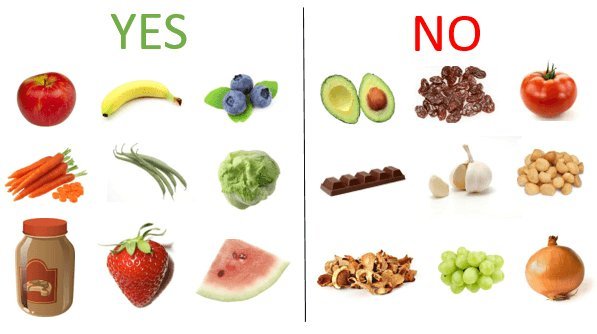
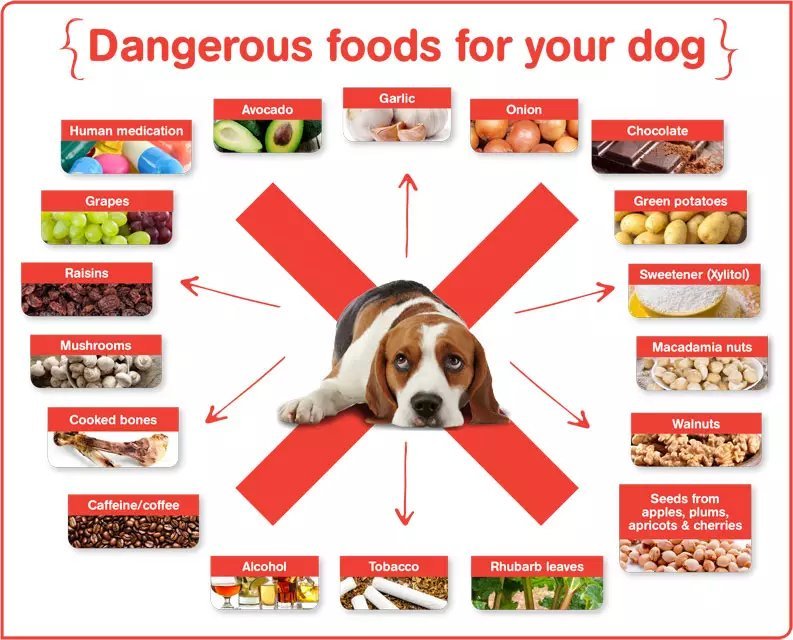
- Adding onions or garlic: These ingredients are toxic to dogs and cause damage to their red blood cells. Always check labels on broths or cooked meats to ensure these aren’t included.
- Leaving bones in the meal: Cooked bones become brittle and can splinter, causing severe internal damage or choking. Always remove every bone before serving any meat.
- Using seasonings: Salt, pepper, and spicy powders irritate a dog’s digestive tract and can cause dehydration. Keep all prepared food strictly plain and free of additives.
- Overfeeding portion sizes: Giving too much food leads to obesity and joint stress. Determine the correct daily calorie count with your vet based on your dog’s weight.
Frequently asked questions
Can dogs eat raw eggs?
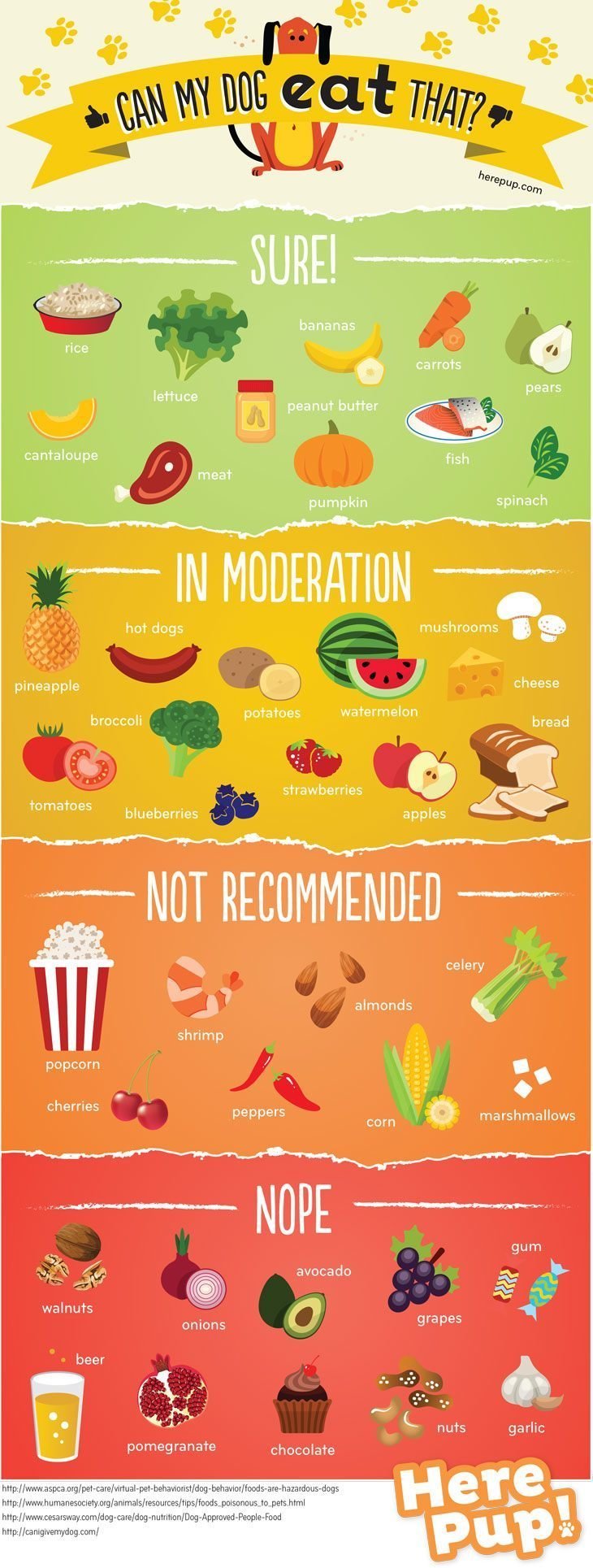
No, raw eggs carry a risk of salmonella and a compound that prevents the absorption of biotin. Always cook eggs fully until the yolk and white are firm before offering them to your dog.
Why is chocolate dangerous for dogs?
Chocolate contains theobromine, which dogs can’t metabolize efficiently, leading to heart and nervous system issues. Keep all cocoa products stored securely away from where your dog can reach them.
How long can I store homemade dog food?
You can store homemade food in the refrigerator for up to three days in a sealed container. If you make a larger batch, freeze individual portions for up to three months to maintain quality and safety.
Is it safe to feed dogs dairy products?
Most dogs are lactose intolerant, meaning dairy can cause significant gas, bloating, and diarrhea. While a small piece of hard cheese is rarely fatal, it’s best to avoid milk and soft cheeses entirely.
What happens if my dog eats grapes?
Grapes and raisins can cause sudden kidney failure in dogs, even in small amounts. If your dog consumes any amount of grapes, contact your veterinarian or an animal poison control center immediately.
Final Thoughts
When you’re uncertain about a new treat, it’s best to check with your veterinarian first. They’ll help you create a balanced plan that keeps your pup happy and healthy for years to come. Don’t hesitate to reach out to them whenever you’re curious about adding something fresh to your dog’s bowl.
Related guides