
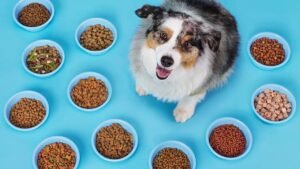
When considering what dog food is healthy for dogs, a balanced diet from a reputable manufacturer is best, as these products meet nutrient profiles established by veterinary science.
Understanding nutritional needs
The most important factor in choosing food is the life stage of your dog. A puppy needs more calories and specific nutrients for growth compared to a senior dog. If you feed a puppy senior food, they may not grow properly; if you feed a senior puppy food, they may become overweight.
The most common mistake owners make is choosing food based on marketing terms like “natural” or “holistic” rather than the nutrient analysis. These terms aren’t strictly defined by law and don’t guarantee a healthier product than a standard, scientifically formulated diet.
What dog food is healthy for dogs?
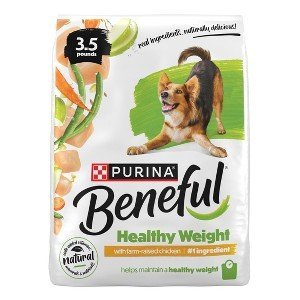
- Select a formula labeled for your dog’s specific life stage: puppy, adult, or senior.
- Check the ingredient list for a named protein source—such as chicken, beef, or lamb—as the first item.
- Review the packaging to confirm it meets the AAFCO nutrient profiles for complete and balanced nutrition.
- Measure portions using a standard measuring cup according to the weight guidelines on the bag. Tip: Don’t rely on “free-feeding” or leaving a bowl full all day, as this often leads to obesity.
- Transition your dog to a new food over 7 to 10 days by mixing increasing amounts of the new food with the old. Tip: If your dog shows signs of stomach upset, slow the transition process down by an extra few days.
- Consult your veterinarian before choosing specialized diets, such as grain-free or raw, as these may not be appropriate for every dog’s health history.
How long it takes
The time it takes to see the results of a new, healthy diet depends on the dog’s current condition and the specific health goal you’re trying to reach.
| Situation | How long | What changes it | What to watch for |
|---|---|---|---|
| Improving coat shine | 4–8 weeks | Omega fatty acid content | Skin redness or itching |
| Weight management | 2–4 months | Caloric density of food | Energy levels and activity |
| Digestive adjustment | 1–2 weeks | Fiber and protein sources | Stool quality and frequency |
If you don’t see a positive change in your dog’s energy or coat after eight weeks, your veterinarian should evaluate the food choice and check for underlying issues.
How to tell when it’s done
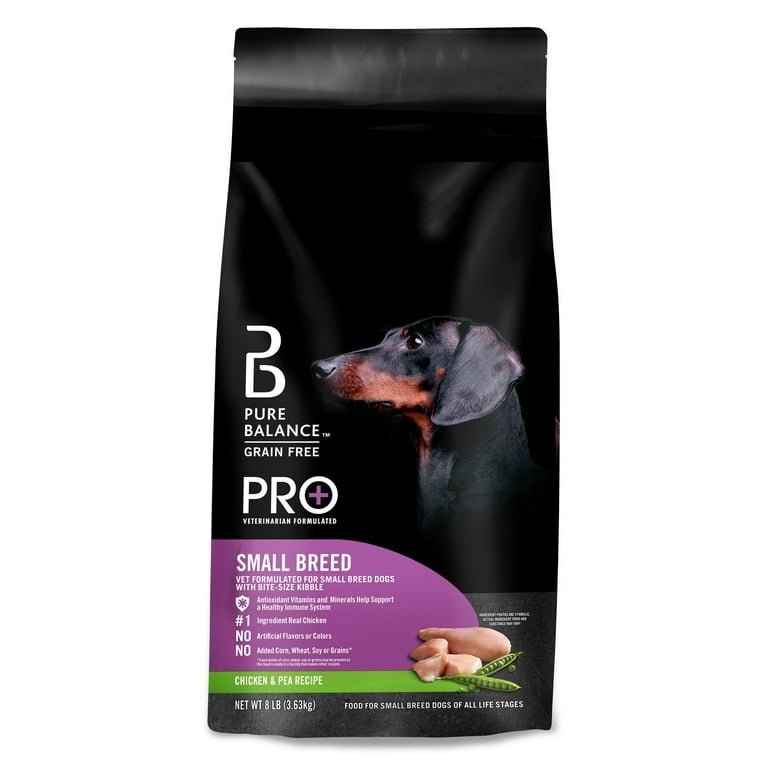
Photo: www.amazon.com on Google
You can tell if a food is healthy by observing your dog’s daily physical cues. A healthy dog will maintain a steady weight, have a shiny coat, and produce firm, consistent stools. You should be able to feel your dog’s ribs without a thick layer of fat covering them, which is a primary indicator of a proper caloric intake. If your dog is lethargic or has chronic digestive issues, the food may not be a good fit for their specific metabolism. When in doubt, a professional body condition score performed by your vet is the most accurate test.
Mistakes that ruin it
- Overfeeding based on appetite: Dogs often beg for more food, but giving in leads to joint stress and heart issues. Always stick to the recommended gram or cup measurement for your dog’s target weight.
- Ignoring the life stage label: Feeding an adult dog puppy food provides excess calories that the dog can’t burn off, leading to rapid weight gain. Match the food strictly to the dog’s current age and activity level.
- Adding excessive human food: Table scraps are calorie-dense and can unbalance a carefully formulated diet. Limit human treats to less than 10% of their total daily caloric intake to prevent nutritional deficiencies.
- Rapidly changing brands: Switching foods overnight often triggers diarrhea or vomiting. Always use a gradual transition to allow the digestive system to adjust to the new ingredients.
Frequently asked questions
Can I feed my dog a homemade diet?
Yes, you can feed a homemade diet, but it must be formulated by a veterinary nutritionist to avoid dangerous nutrient deficiencies. Most home-cooked recipes found online lack the correct balance of calcium, phosphorus, and essential vitamins that a dog needs to stay healthy over a long period.
How do I know if my dog has a food allergy?
You’ll notice symptoms like chronic ear infections, itchy skin, or paws that are constantly licked or red. True food allergies are less common than environmental allergies, so you should have a vet perform a strict elimination diet trial to identify the specific protein causing the reaction.
Is grain-free food better for dogs?
No, grain-free food isn’t inherently better for dogs and has been investigated for potential links to heart issues in some breeds. Unless your veterinarian has diagnosed a specific grain allergy, there’s no medical reason to avoid grains, which provide high-quality fiber and energy.
What happens if I feed my dog adult food as a puppy?
If you feed an adult formula to a growing puppy, they may suffer from stunted growth or skeletal issues due to the lower protein and mineral density. Puppies have very high energy requirements that adult-maintenance diets simply can’t provide, leading to a failure to meet developmental milestones.
How often should I change my dog’s food?
You shouldn’t change your dog’s food unless there’s a medical reason or they’re moving to a new life stage. Consistency is better for a dog’s digestive system, and there’s no evidence that dogs need “variety” in their diet in the same way that humans do.
Final Thoughts
Choosing the right bowl of food doesn’t have to be overwhelming. If you’re unsure about your pet’s specific needs, don’t hesitate to reach out to your local vet. They’ll help you pick a high-quality option that’s perfect for your furry friend, ensuring they stay happy and energetic for years to come.