
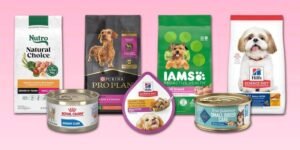
To determine what dog food is healthiest for dogs, you must check the label for a statement guaranteeing complete and balanced nutrition for your pet’s life stage.
What dog food is healthiest for dogs?
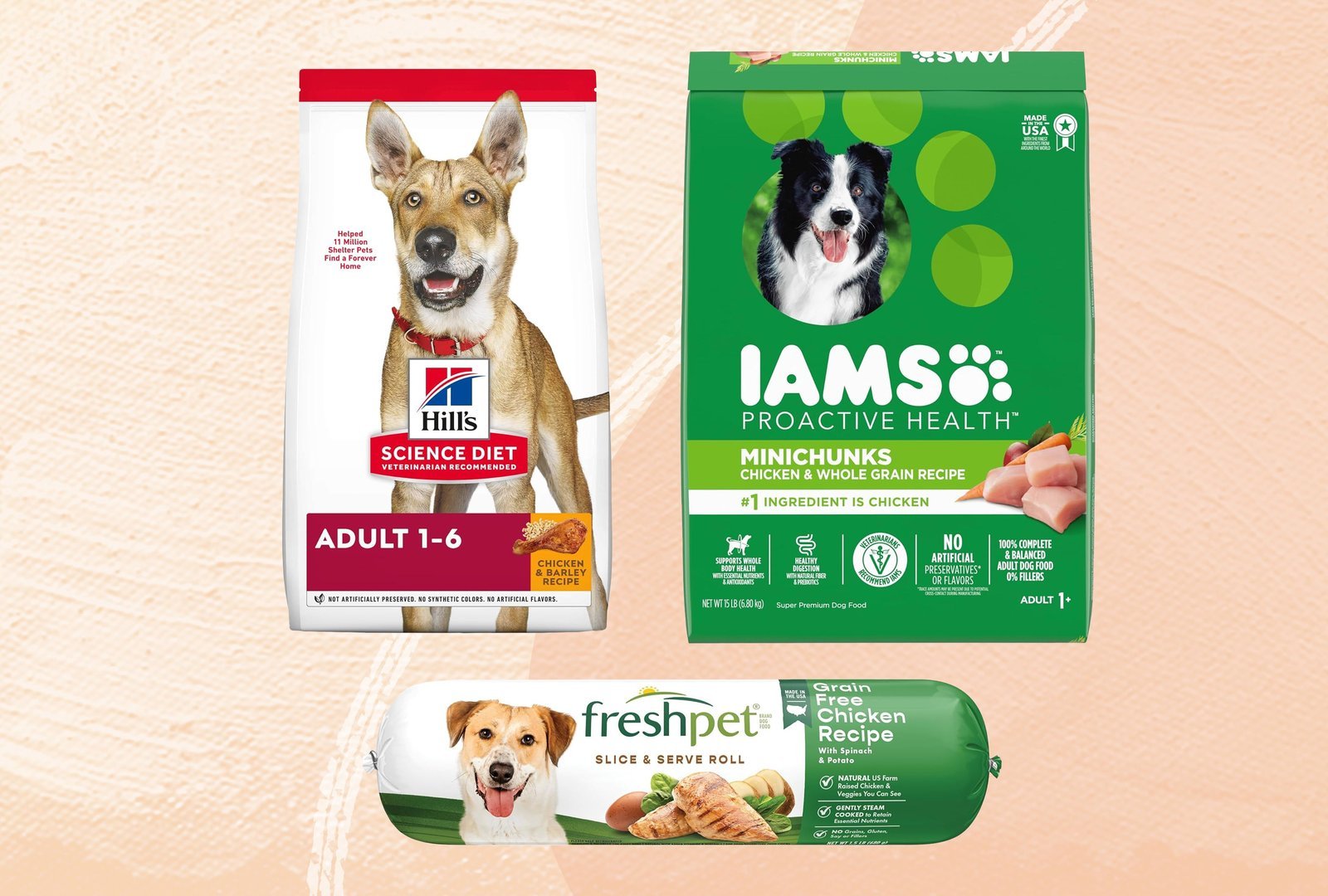
- Look for the AAFCO “complete and balanced” statement on the back of the bag.
- Pick a recipe formulated for your dog’s current age: puppy, adult, or senior.
- Avoid feeding “all life stages” food to large-breed puppies to prevent bone growth issues.
- Keep the food in its original bag to maintain freshness and prevent nutrient oxidation.
- Measure portions using a standard kitchen scale rather than a cup to ensure accuracy.
- Transition to a new food over seven days by mixing increasing amounts of new into old.
Why scientific formulation matters
Nutrition for dogs isn’t about choosing human-grade ingredients, but about ensuring the correct balance of amino acids, minerals, and vitamins. Commercial foods provide every nutrient a dog needs to function. If you feed a diet that lacks this verification, you risk long-term health issues like poor coat quality, weak immunity, or organ stress.
The balance of calcium to phosphorus is especially critical for skeletal health. If a food provides an incorrect ratio, it can cause developmental orthopedic diseases in growing animals. This is why you must check the label for the specific life stage. If you’re unsure if a brand meets these requirements, contact the manufacturer directly to ask for their nutritional analysis. Never rely on marketing buzzwords like “natural” or “holistic,” as these terms aren’t regulated in the same way as the nutritional adequacy statement.
When the answer is different
| Situation | What changes | What to do instead |
|---|---|---|
| Large breed puppy | Growth rate | Use large-breed specific formulas |
| Food allergies | Protein source | Consult vet for hydrolyzed diets |
| Sensitive stomach | Fiber content | Choose low-fat, highly digestible |
| Overweight dogs | Calorie density | Use weight management formulas |
| Working dogs | Energy needs | Increase calorie-dense performance food |
How to do it properly
- Read the AAFCO statement on the packaging to ensure it matches your dog’s life stage, such as puppy or adult maintenance.
- Weigh the daily food amount using a digital scale to ensure you provide the exact calories required for your dog’s weight.
- Store the dry kibble in an airtight container to keep it dry and prevent the fats inside from going rancid over time.
- Wash the food bowl daily with hot, soapy water to remove bacteria that can cause illness in your pet or family.
- Mix 25% new food with 75% old food for two days, then 50/50 for two days, then 75/25 for two days.
- Monitor your dog’s stool consistency and energy levels during the transition to ensure the new food agrees with their digestion.
The mistakes that ruin it
- Adding human food scraps to a balanced diet creates nutritional imbalances that lead to obesity or nutrient toxicity.
- Buying food in bulk causes the oils in the kibble to turn rancid, which ruins the flavor and health benefits.
- Feeding based on the “serving size” on the bag often leads to overfeeding because metabolic rates vary by individual activity.
- Switching brands abruptly causes gastrointestinal distress, resulting in vomiting or diarrhea for several days.
Frequently asked questions
Photo: www.thesprucepets.com on Google
Can I mix two different dog foods?
Yes, you can mix foods, but you must ensure the total caloric intake remains consistent with your dog’s needs. If you mix, calculate the calories of both to avoid overfeeding, which is the most common cause of weight gain in pets.
How do I know if the food is high quality?
Look for the nutritional adequacy statement from AAFCO on the label. This is the only official way to know the food provides complete nutrition; price, packaging design, and ingredient lists don’t guarantee the quality of the final product.
Is grain-free food better for dogs?
No, there’s no scientific evidence that grain-free diets are healthier for the average dog. Unless your veterinarian has diagnosed a specific grain allergy, grains provide essential fiber, vitamins, and energy that support a healthy digestive tract and heart.
How long does a bag of dry food stay fresh?
Most dry food remains fresh for about four to six weeks after opening if stored in a cool, dry place. If you can’t finish the bag within six weeks, buy smaller bags to ensure your dog receives fresh, nutrient-dense meals.
What happens if I feed a puppy adult food?
Feeding adult food to a growing puppy often leads to improper bone development due to an incorrect calcium-to-phosphorus ratio. Always choose a formula specifically labeled for puppies to ensure the nutrient density matches their rapid growth requirements.
Does the order of ingredients matter?
Yes, the first few ingredients indicate the primary sources of protein and carbohydrates. However, you should evaluate the total nutrient profile rather than focusing on a single ingredient, as the balance of all nutrients is what determines overall health.
Final Thoughts
The best way to see if a brand works for your pup is to watch their energy levels and coat health over the next month. Don’t be afraid to consult your vet if you’re still unsure, as they’ll help you make the right choice for your best friend’s long-term wellness.