
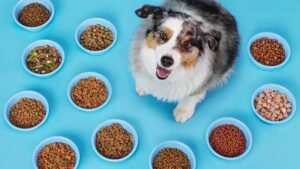
To determine what dog food is good for your dog, look for products that meet the nutritional standards set by the Association of American Feed Control Officials.
Choosing the right food depends on your dog’s age, activity level, and health history. The most common mistake is assuming that “grain-free” or “organic” labels automatically mean the food is healthier. These terms are marketing choices, not scientific measures of quality. Always prioritize the nutritional adequacy statement on the back of the bag over flashy front-panel claims.
What dog food is good for your dog
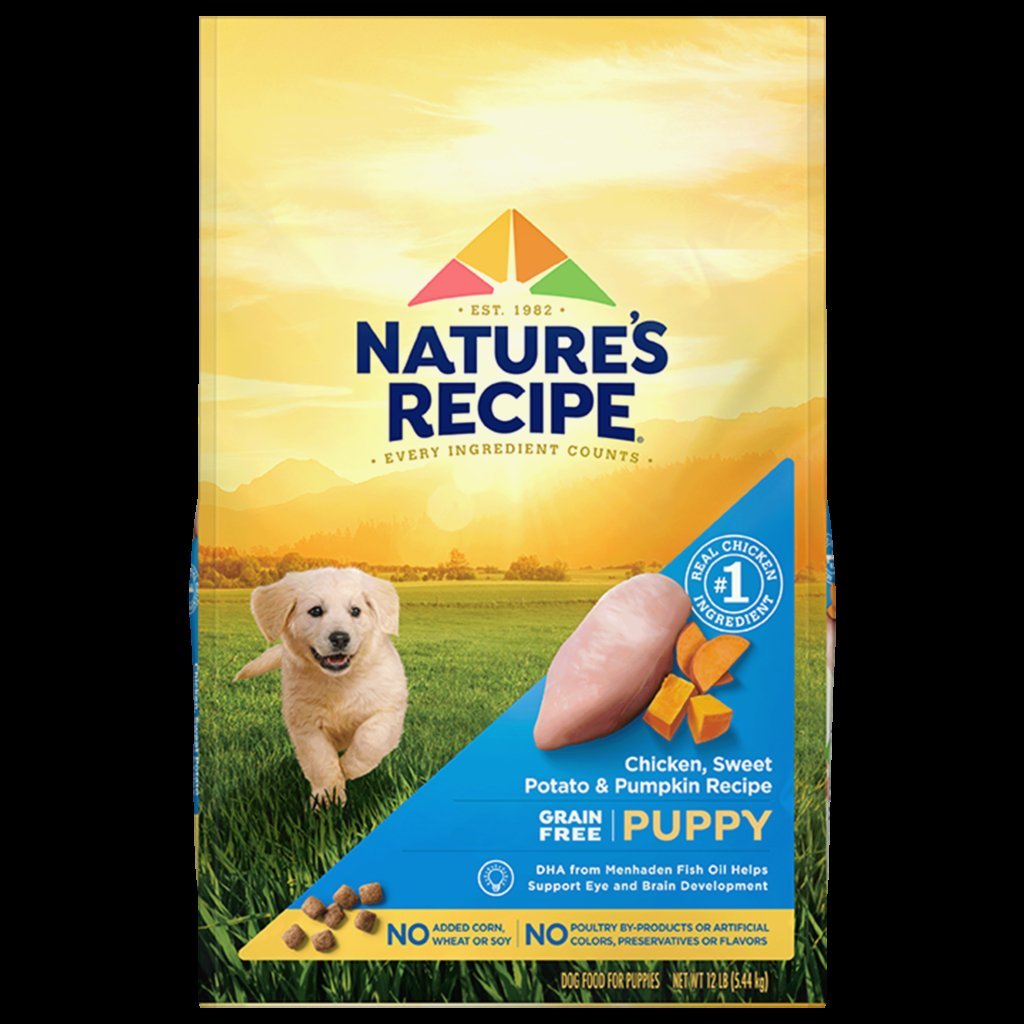
- Check the life stage on the bag to ensure it matches your dog’s age.
- Read the ingredient list for a named protein source as the first ingredient, like “chicken” or “beef.”
- Confirm the product meets the AAFCO nutritional standards for dogs by checking for a statement of nutritional adequacy. Tip: If your dog has allergies, avoid foods with long ingredient lists that make it hard to identify the protein source.
- Measure the daily amount according to the feeding guide on the package.
- Adjust the portion size if your dog starts to gain or lose weight unexpectedly. Tip: If you’re unsure about your dog’s ideal weight, consult your veterinarian to determine the exact calorie needs.
- Transition to a new food slowly by mixing it with the old food over 7 to 10 days to prevent stomach upset.
How long it takes
The time required to see the results of a new diet varies based on the dog’s metabolism and health.
| Situation | Timeframe | What changes it | What to watch for |
|---|---|---|---|
| Initial transition | 7–10 days | Digestive sensitivity | Loose stools or vomiting |
| Coat/Skin health | 4–8 weeks | Omega fatty acid levels | Shinier, less dry fur |
If your dog shows no improvement in energy or coat quality after three months, talk to your vet about potential underlying health issues.
How to tell when it’s done
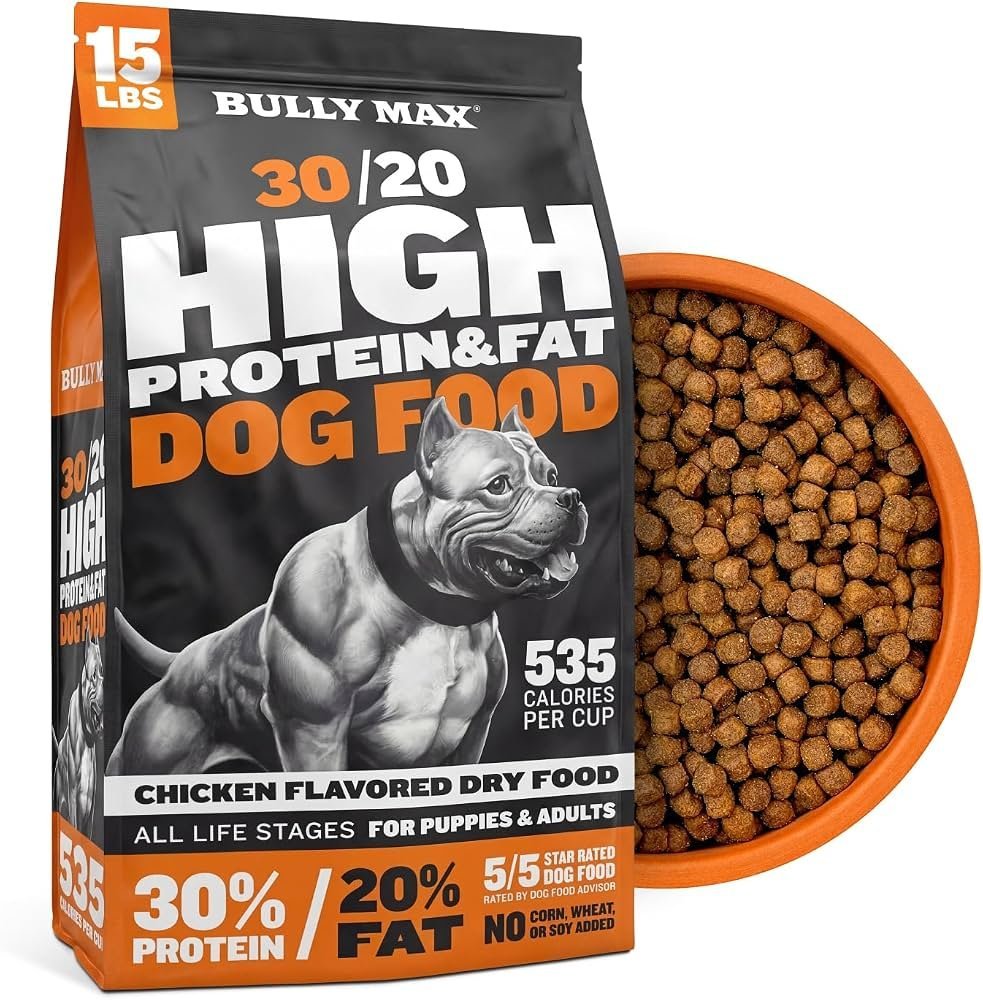
You can tell if a food is working by observing your dog’s physical condition and energy levels. A healthy dog should have a stable weight where you can feel their ribs but not see them clearly. Their energy should be consistent throughout the day, and their stool should be firm and easy to pick up. If the dog is itchy, has dull fur, or experiences frequent digestive upset, the food may not be a good match. The final test is a regular body condition score check performed by a professional, as it removes personal bias from your observation.
Mistakes that ruin it
- Overfeeding based on the bag’s suggestion: Many owners follow the high end of the range, which leads to obesity in less active dogs. Always start at the lower end of the recommended range and adjust based on your dog’s body condition.
- Adding too many table scraps: Extra human food adds hidden calories that throw off the nutrient balance of the main diet. If you must give treats, ensure they account for no more than 10% of your dog’s total daily calories.
- Rapidly switching brands: Changing food overnight causes severe diarrhea and vomiting because the gut microbiome can’t adapt instantly. Use a gradual transition period to allow the digestive system to adjust to the new ingredients.
Frequently asked questions
Can I feed my dog human food?
No, you shouldn’t feed your dog human food as a primary diet because it rarely meets their specific nutritional needs. Many human foods, such as onions, grapes, and chocolate, are also toxic to dogs. Stick to high-quality commercial food formulated for canine health.
Why is my dog refusing to eat?
If your dog suddenly stops eating, it could be a sign of dental pain, illness, or simply a dislike of the new food’s texture. If they skip more than two meals or show signs of lethargy, you should contact your veterinarian to rule out medical issues.
How long does a bag of food last?
A bag of food should be used within the timeframe recommended by the manufacturer, as storage instructions vary by brand and packaging type. Exposure to air causes fats to go rancid, which ruins the flavor and nutritional value of the product.
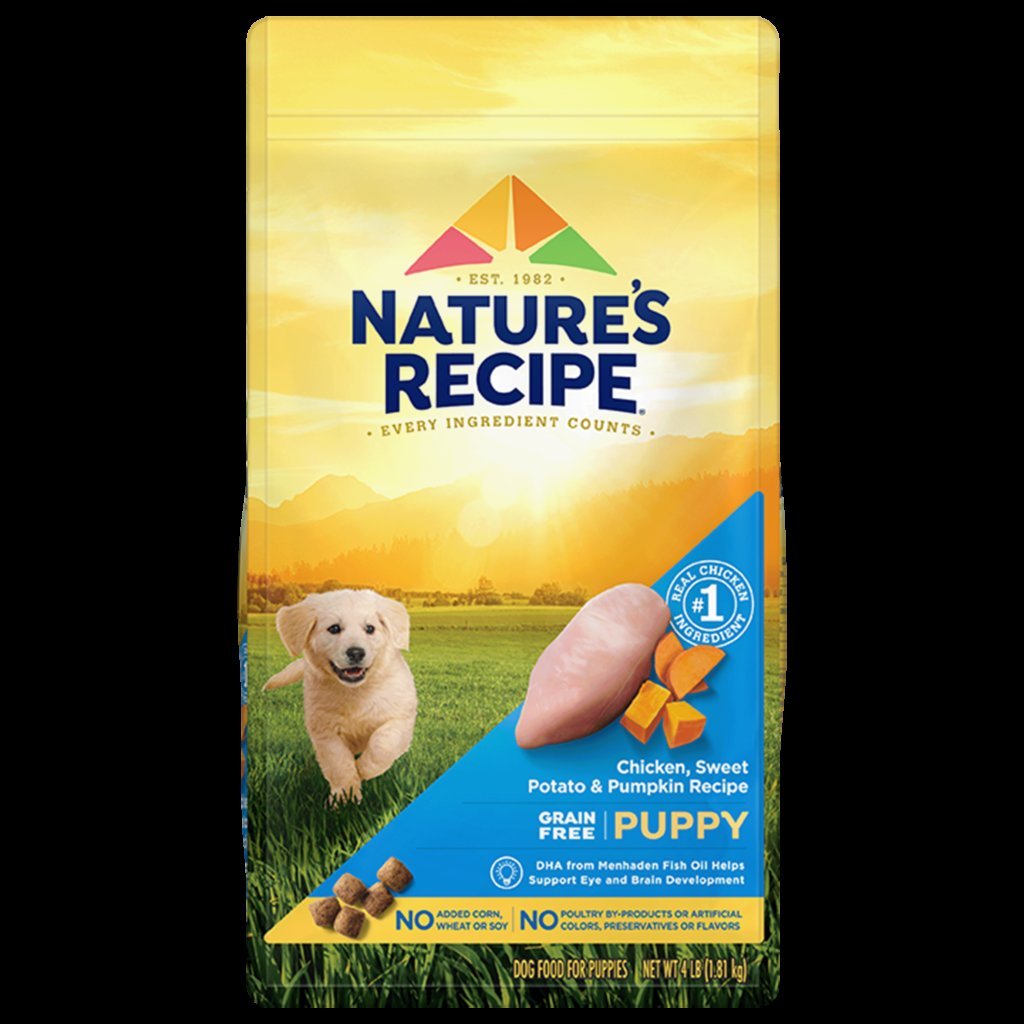
Is it safe to feed a puppy adult food?
No, it isn’t safe because puppies require higher levels of protein, fat, and specific minerals for bone growth. Adult food lacks the nutrient density required for a developing puppy, which can lead to long-term skeletal or developmental health problems.
What happens if I store food incorrectly?
Improper storage leads to mold growth, bacterial contamination, or the oxidation of fats, which makes the food unpalatable and potentially harmful. Always keep the food in its original bag inside a sealed container to protect it from moisture, pests, and air.
Final Thoughts
Choosing the right meal isn’t just about the label; it’s about how your companion feels each day. Watch for a shiny coat, steady energy, and a happy appetite. If you’re still unsure, don’t hesitate to ask your vet for a recommendation. They’ll help you find the perfect bowl for your best friend’s needs.