
If you are wondering what food do dogs need, they require a balanced diet of high-quality protein, healthy fats, vitamins, and minerals. These nutritional requirements vary by life stage and activity level, and must meet the minimum standards for complete nutrition set by the Association of American Pet Food Control Officials.
What food do dogs need?

- Choose commercial food labeled “complete and balanced” to ensure all nutrient needs are met.
- Check the label for a protein source as the first ingredient, such as chicken, beef, or fish.
- Feed puppies a formula specifically designed for “growth” to support their rapid physical development.
- Limit treats to no more than 10% of your dog’s total daily caloric intake.
- Adjust portion sizes based on your dog’s weight, age, and activity level rather than the bag’s general guide.
- Consult your veterinarian before adding supplements to avoid creating a harmful nutrient imbalance.
Why nutrition requirements vary by dog
Dogs require different nutrient profiles throughout their lives because their bodies undergo significant metabolic changes from puppyhood to senior years. A growing puppy needs higher levels of protein and calcium to build bone and muscle, while a less active senior dog requires fewer calories to prevent weight gain. The energy density of food is measured in kilocalories; if you feed a high-calorie puppy formula to a sedentary senior, the dog will likely become overweight. A balanced diet prevents deficiencies that lead to poor coat quality, weak immune systems, and joint issues. Always check the official feeding guidelines on the packaging for your specific brand, as calorie counts differ greatly between dry kibble and wet canned food options.
When the answer is different
| Situation | What changes | What to do instead |
|---|---|---|
| Puppy under one year | Higher calorie needs | Feed growth-specific formulas |
| Senior dog | Lower calorie needs | Switch to senior-specific food |
| Working dogs | High energy demand | Use high-protein performance diets |
| Food allergies | Protein sources | Try limited ingredient diets |
| Pregnant dogs | Nutrient density | Feed puppy or lactation food |
How to do it properly
- Read the nutritional adequacy statement on the bag to ensure it meets the standards for your dog’s specific life stage.
- Calculate your dog’s daily calorie needs based on their current weight and lifestyle to avoid overfeeding or underfeeding your pet.
- Measure food using a standard kitchen scale rather than a cup for precision, as kibble density varies between different brands.
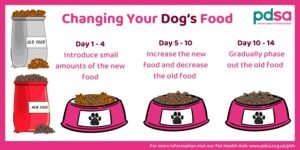
- Transition to new food slowly over seven days by mixing increasing amounts of the new food with the old one.
- Monitor your dog’s body condition score by feeling their ribs; you should feel them easily without pressing hard through body fat.
- Provide fresh, clean water at all times to help your dog digest nutrients and maintain hydration throughout the entire day.
The mistakes that ruin it
- Feeding table scraps leads to obesity and potential toxicity from ingredients like onions or garlic.
- Changing food brands too quickly causes digestive upset, vomiting, or severe diarrhea for your dog.
- Ignoring the calorie count on packaging leads to unhealthy weight gain, which stresses your dog’s joints.
- Giving too many high-calorie treats dilutes the nutritional balance of their main, complete, and balanced meals.
Frequently asked questions

Can dogs eat human food?
Some human foods like plain cooked chicken or carrots are safe, but many others contain ingredients like xylitol, onions, or grapes that are toxic and life-threatening to dogs.
How much should I feed my dog?
You should follow the feeding chart on the bag as a starting point, then adjust the portion size based on your dog’s weight, body condition, and daily activity level.
Is grain-free food better for dogs?
No, grain-free food isn’t scientifically proven to be better for the average dog, and you should only use it if your veterinarian diagnoses a specific grain allergy.
How often should I feed my dog?
Most adult dogs thrive on two meals per day, while puppies require three to four smaller meals to maintain their energy levels and blood sugar throughout the day.
Is it safe to feed my dog raw meat?
No, raw meat carries a high risk of bacterial contamination like Salmonella and E. coli, which can make both your dog and your family very sick.
Does my dog need extra vitamins?
No, if your dog is eating a high-quality commercial food labeled “complete and balanced,” adding extra vitamins can actually cause dangerous nutrient toxicities or imbalances.
Final Thoughts
Choosing the right food shouldn’t feel like a guessing game. If you’re unsure about your pup’s unique needs, it’s a great idea to schedule a quick chat with your veterinarian. They’ll help you pick a plan that keeps your furry friend happy, energetic, and thriving for many years to come.