
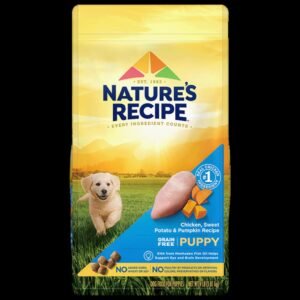
What dog food is good for my dog? The right answer is a product that meets the Association of American Feed Control Officials (AAFCO) nutritional standards for your pet’s specific life stage. This ensures the food provides complete and balanced nutrition for growth or maintenance.
The short version
Photo: www.mydog.com.au on Google
- Check the bag for an AAFCO statement confirming it’s complete and balanced.
- Choose a formula labeled for your dog’s specific life stage, such as puppy, adult, or senior.
- Feed the amount recommended on the package, adjusting based on your dog’s body condition score.
- Store dry kibble in a cool, dry place to prevent mold and nutrient degradation.
- Monitor your dog for changes in coat quality, energy levels, or digestive health.
- Consult your veterinarian if your dog has allergies or chronic health issues.
Why nutritional standards matter
Selecting the right food involves understanding the regulatory framework that governs pet nutrition. In the United States, the AAFCO Dog and Cat Food Nutrient Profiles provide the scientific basis for what constitutes a complete diet. These profiles set the minimum and maximum levels for proteins, fats, vitamins, and minerals required to keep an animal healthy. If a food doesn’t carry a statement confirming it meets these profiles, it may be intended only for intermittent feeding rather than as a primary diet. Manufacturers test their recipes against these profiles to ensure that every bowl contains the necessary nutrients in the correct ratios. If you’re ever unsure about a brand, check the back of the packaging for the nutritional adequacy statement. This text is legally required on all pet food sold in the U.S. and serves as your primary evidence that the food is safe for long-term consumption.
When the answer is different
| Situation | What changes | What to do instead |
|---|---|---|
| Puppy | Growth needs | Use growth-stage formula |
| Senior | Metabolism slows | Use senior-specific diet |
| Allergies | Protein sensitivity | Use limited ingredient diet |
| Obesity | Calorie intake | Use weight management food |
| Activity | Energy output | Use high-performance diet |
What dog food is good for my dog?
- Read the label on the food bag to confirm it includes an AAFCO statement for your dog’s current life stage.
- Measure the exact amount of food using a standard measuring cup, following the daily feeding guide printed on the bag packaging.
- Divide the total daily amount into two equal meals to help your dog maintain steady energy levels throughout the entire day.
- Check your dog’s weight regularly by feeling their ribs; you should feel them easily without pressing through heavy fat layers.
The mistakes that ruin it
- Feeding based on generic advice rather than the specific weight chart on the bag leads to rapid weight gain.
- Switching food brands too quickly without a transition period causes severe diarrhea and vomiting in many dogs.
- Using “all life stages” food for a large-breed puppy can cause improper bone development due to incorrect calcium levels.
- Leaving wet food out for more than two hours encourages bacteria growth, which makes your dog sick.
Frequently asked questions
Can I feed my dog human food?
Yes, you can feed human food in moderation, but it should never exceed 10% of their daily calories. Stick to plain, cooked proteins or vegetables and avoid toxic items like onions, garlic, grapes, chocolate, and anything containing the sweetener xylitol.
How long does an opened bag of dog food last?
After this time, fats in the kibble can go rancid and the food loses its nutritional value; keep the bag sealed tightly in a cool area.
Is grain-free food better for my dog?
No, grain-free food isn’t inherently better unless your veterinarian has diagnosed your dog with a specific grain allergy. Most dogs digest grains like rice or oats easily, and these provide important fiber and energy for their daily activities.
How do I know if my dog is allergic to their food?
Chronic itching, ear infections, and recurring skin rashes are the most common signs of a food allergy. If you notice these symptoms, talk to your veterinarian about a strict elimination diet trial to identify the specific protein causing the reaction.
Does the price of dog food matter?
Yes, higher-priced foods often use higher-quality ingredients and undergo more rigorous safety testing. However, a high price doesn’t guarantee the food is right for your dog, so always prioritize the AAFCO statement over the brand’s marketing or cost.
What happens if my dog eats too much?
Obesity occurs when you feed more calories than your dog burns, leading to joint stress and heart problems. If your dog is gaining weight, reduce the daily portion by 10% and increase their exercise until they return to a healthy weight.
Final Thoughts
Choosing the best meal for your companion doesn’t have to be overwhelming. If you’re still unsure, don’t hesitate to schedule a quick chat with your veterinarian. They’ll help you navigate the options so you can feel confident that your furry friend is getting exactly what they need to thrive every day.
Related guides