
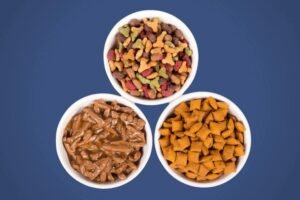
You might ask, “is my dog food good?” It is if it meets the nutritional standards set by the Association of American Feed Control Officials (AAFCO) for your dog’s life stage. You can verify this by checking the packaging for an AAFCO statement confirming the product is nutritionally complete.
Assessing your dog’s diet
The most important factor is whether the food provides a complete and balanced diet. A common mistake people make is choosing food based on trendy labels or marketing terms like “human-grade” or “gourmet” instead of looking for the AAFCO nutritional adequacy statement. These terms aren’t regulated in the same way as the nutritional profile. If the label says “for intermittent feeding only,” it isn’t a complete meal and will cause nutrient deficiencies if fed long-term.
Another key factor is your dog’s specific health needs. If your dog has allergies or sensitive digestion, check the ingredient list for specific proteins or fillers that trigger their symptoms. This varies by formula—check the label for the specific caloric density and protein percentage, as these change between puppy, adult, and senior products.
Steps to evaluate quality
Photo: tullystraining.com on Google
- Locate the nutritional adequacy statement on the back or side of the bag.
- Read the first three ingredients to ensure a named animal protein, such as chicken, beef, or salmon, is listed first.
- Check the expiration date to ensure the product remains fresh and safe for your dog to consume.
- Compare the caloric content per cup against your dog’s daily activity level to prevent unintended weight gain.
- Monitor your dog’s coat, energy levels, and stool quality over four to six weeks to see how they respond to the current diet.
Tip: If your dog has a known health condition, consult your veterinarian before switching brands. They provide guidance on specific dietary requirements that standard bags don’t address.
Tip: Avoid feeding your dog generic bags that lack a clear manufacturer contact address or a batch number, as these are harder to track during recalls monitored by the FDA.
How long it takes
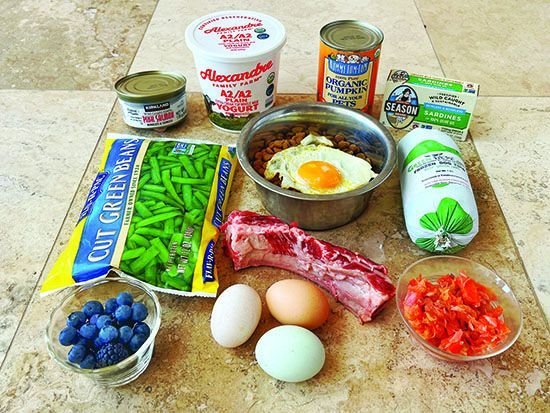
Determining the quality of a food takes a few minutes of reading, but observing the results requires a longer transition period.
| Situation | Time to evaluate | What changes it | What to watch for |
|---|---|---|---|
| Switching brands | 4–6 weeks | Dog’s age | Stool consistency |
| New puppy diet | 8–12 months | Growth rate | Bone development |
| Senior maintenance | 3+ months | Activity level | Weight changes |
If your dog shows signs of lethargy or sudden digestive issues after a week, stop the new food and contact your veterinarian immediately.
How to tell when it’s done
Photo: www.dogchef.com on Google
You know the food is working when your dog maintains a healthy weight and has a shiny coat. A dog at a healthy weight should have an hourglass figure when viewed from above and a visible tuck in the abdomen when viewed from the side. You should be able to feel their ribs under a thin layer of fat without pressing hard. If the dog is constantly hungry or losing muscle mass, the protein quality or caloric density may be insufficient. Always check the AAFCO life stage claim on the bag to ensure it matches your dog’s current age.
Mistakes that ruin it
Photo: www.years.com on Google
- Sudden diet switches: Changing a dog’s food instantly often leads to severe stomach upset and diarrhea. Always mix the old food with the new over a period of seven to ten days.
- Overfeeding based on bag guidelines: The suggested amounts on the bag are often too high for sedentary dogs and lead to obesity. Use the bag as a starting point, but adjust the portion size based on your dog’s actual body condition score.
- Ignoring treat calories: Many owners add high-calorie treats that can make up 20% or more of the daily intake. Keep treats to less than 10% of your dog’s total daily calories to ensure the main diet remains balanced.
Frequently asked questions
Photo: www.houndsy.com on Google
Can I feed my dog human food?
No, feeding human food as a primary diet isn’t recommended because it’s difficult to balance the essential vitamins and minerals required for canine health. While small amounts of plain vegetables are usually fine, human meals often contain ingredients like onions, garlic, or excess salt that are toxic to dogs.
Is my dog food good? How to tell
You can identify quality food by the presence of an AAFCO feeding trial statement on the label, which proves the food has been tested in real dogs. Avoid foods that hide behind vague labels like “meat meal” without specifying the animal source, as consistency is key to a healthy diet.
Is grain-free food better for my dog?
No, there’s no scientific evidence that grain-free food is better for the average dog unless they have a specific diagnosed allergy. Many dogs thrive on grains, and you should only switch to a grain-free diet if your veterinarian recommends it for a medical reason.
Why is my dog losing weight on this food?
Your dog may be losing weight because the calorie density of the current food doesn’t meet their specific energy needs. If your dog is active or a growing puppy, they might need a formula with higher fat and protein content to maintain their body weight.
Is it safe to mix dry and wet food?
Yes, mixing wet and dry food is safe and can provide extra hydration for your pet. Ensure that both types are nutritionally complete and adjust the total portion sizes so you don’t exceed your dog’s daily calorie requirement, which helps prevent unwanted weight gain.
Final Thoughts
Choosing the right meal isn’t just about labels; it’s about how your pup feels every day. If you’re still unsure about what’s in the bowl, don’t hesitate to bring the bag to your next vet visit. They’ll help you decide if it’s truly the best fit for your furry friend’s health.