
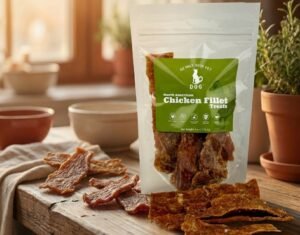
To do only good dog food for your pet, choose high-quality options that meet AAFCO nutrient profiles for their specific life stage. Selecting a balanced diet requires looking past marketing claims to find products that undergo feeding trials or meet strict formulation standards for complete health.
Why it works / what to know first
A diet that meets the Association of American Feed Control Officials nutrient profiles ensures your dog receives the essential vitamins, minerals, and proteins required for their growth or maintenance. If you choose a food labeled “all life stages,” it must meet the higher requirements for growth and reproduction, which may be too calorie-dense for an inactive adult dog.
The most common mistake owners make is changing a dog’s food too abruptly. This often leads to digestive upset, vomiting, or diarrhea. Instead, you should mix the new food with the old one over seven to ten days, gradually increasing the amount of the new product while decreasing the old.
Choosing only good food
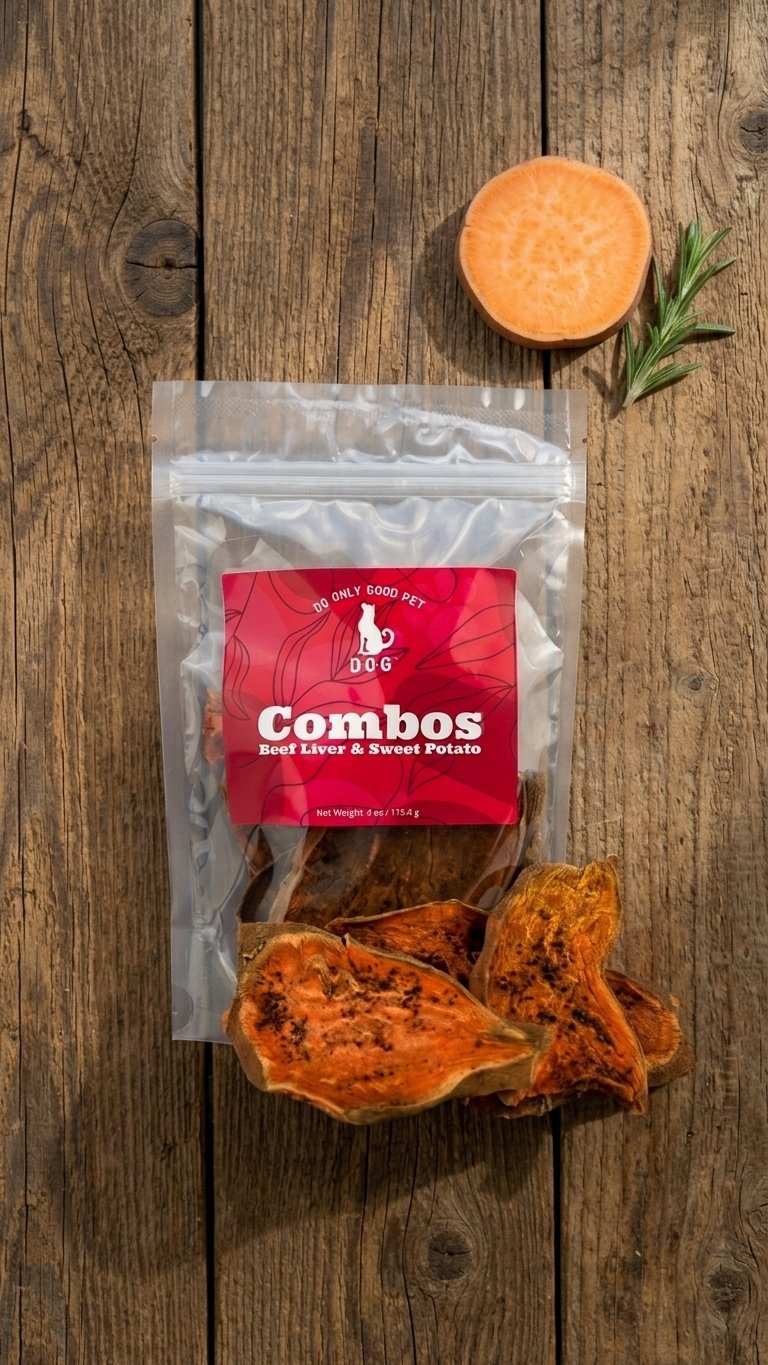
- Check the packaging for an AAFCO statement confirming the food is “complete and balanced” for your dog’s specific life stage.
- Review the ingredient list to ensure a high-quality animal protein, such as chicken, beef, or fish, is listed as the first item.
- Determine your dog’s daily caloric needs based on their age, weight, and activity level by using a calculator provided by your veterinarian.
- Measure out the exact portion size using a standard measuring cup or a kitchen scale to prevent overfeeding, which is a leading cause of obesity.
- Store the food in a cool, dry place inside its original bag to maintain freshness and prevent the loss of essential nutrients. Tip: If you use a plastic storage bin, keep the food inside its original bag within that container to protect the oils from rancidity.
- Consult your veterinarian before adding supplements to your dog’s diet, as excessive minerals can interfere with the balance of a high-quality commercial food. Tip: Never feed your dog common human foods like onions, grapes, or chocolate, as these are toxic even in small amounts.
How long it takes
| Situation | How long | What changes it | What to watch for |
|---|---|---|---|
| Transitioning diet | 7-10 days | Digestive sensitivity | Loose stools |
| Feeding puppy | 12-24 months | Breed size | Growth rate |
| Feeding senior | Life-long | Activity levels | Weight gain |
If your dog refuses to eat or shows signs of distress for more than 48 hours during a transition, consult your local veterinary clinic for professional guidance.
How to tell when it’s done
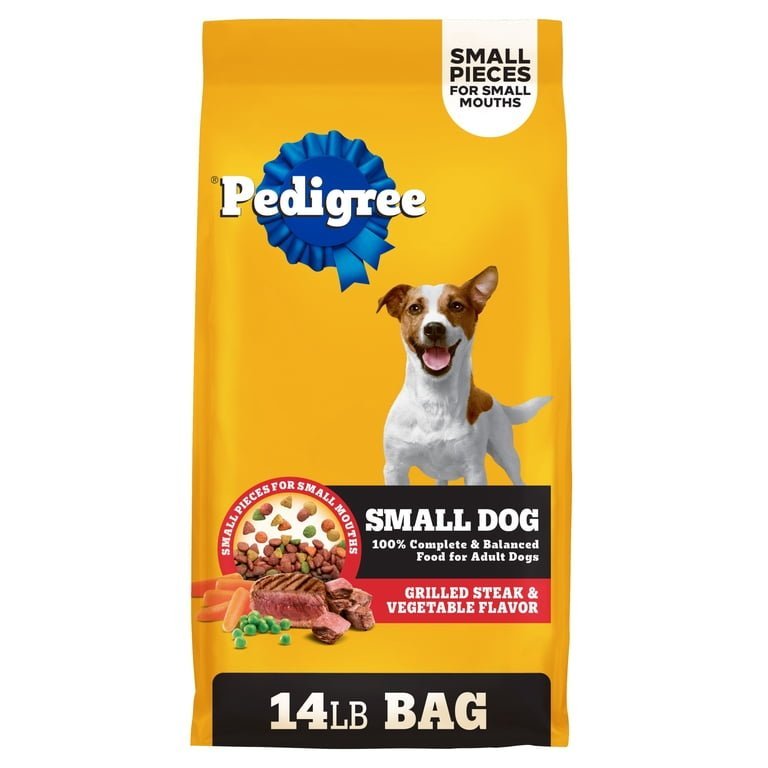
You can tell if a food is working by monitoring your dog’s physical condition and energy levels over several weeks. A healthy dog should have a shiny coat, firm stools, and a stable weight. According to the World Small Animal Veterinary Association, a body condition score of four or five out of nine is ideal, where you can feel the ribs but not see them prominently. If the dog is lethargic or losing hair, the diet may lack the necessary balance. Weight is the final metric; if your dog gains or loses weight rapidly, adjust the portion size by ten percent and monitor them for another two weeks.
Mistakes that ruin it
- Ignoring the transition period: Switching foods instantly causes severe stomach irritation and refusal to eat. Always mix the old and new food over a full week to allow the gut bacteria to adjust.
- Overestimating portion sizes: Providing too much food leads to joint stress and heart issues from obesity. Use a measuring cup every time rather than guessing the amount by eye.
- Adding too many treats: Extra snacks dilute the nutrient balance of the primary diet and add unnecessary calories. Keep treats to less than ten percent of your dog’s total daily caloric intake.
- Buying expired bags: Old food can develop mold or rancid fats that pose health risks. Always check the “best by” date on the package before purchasing or serving.
Frequently asked questions
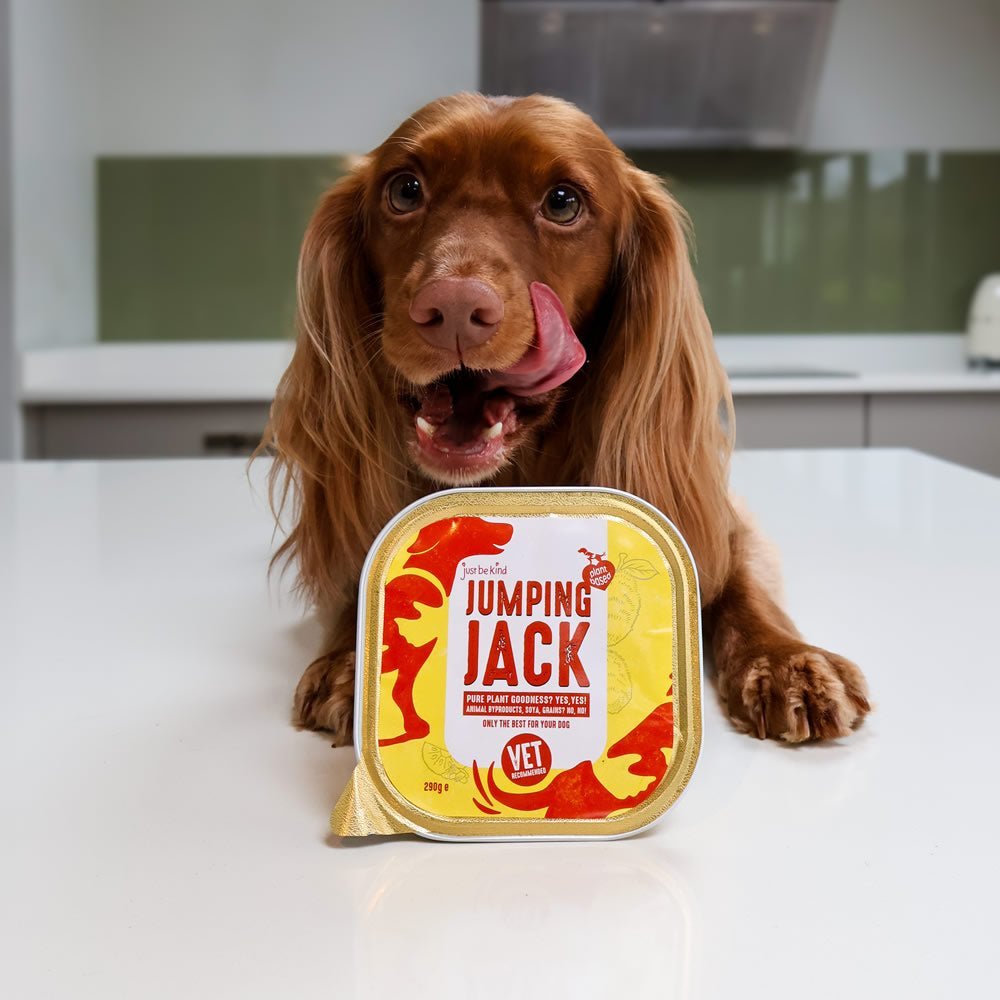
Can I feed my dog human food?
No, you shouldn’t feed your dog human food as a primary diet because it rarely meets the specific nutrient profiles they need. Many human items, like garlic or cooked bones, are dangerous. Use only commercial dog food formulated for their specific life stage to ensure they stay healthy.
How do I know if the food is high quality?
You can confirm quality by looking for the AAFCO statement on the label, which proves the food has been tested or formulated to meet nutritional standards. A high-quality food is defined by its nutritional adequacy and the manufacturer’s commitment to quality control, rather than the specific order of ingredients.
Is it safe to mix dry and wet food?
Yes, it’s safe to mix them, but you must account for the calories in both to avoid overfeeding. If you add wet food, reduce the amount of dry kibble accordingly. Always ensure both types are labeled as complete and balanced to maintain the right nutritional ratio.
What happens if I feed a puppy adult food?
If you feed a puppy adult food, they may not receive enough calcium, phosphorus, or protein for proper bone and muscle development. Puppies have unique metabolic needs that require “growth” or “all life stages” formulas. Always choose a product specifically designed for your dog’s current age.
How long does a bag of dog food stay fresh?
Most dry dog food stays fresh for about four to six weeks after opening if stored in a cool, dry area. Exposure to air and humidity causes fats to oxidize, which ruins the flavor and nutritional value. Keep the bag tightly sealed to extend the shelf life.
Final Thoughts
Take a moment to check your dog’s current bag for the official AAFCO statement today. If you aren’t sure about the ingredients, don’t hesitate to ask your vet for a recommendation at your next visit. They’ll help you find a reliable brand that’s perfect for your pup’s long-term health and happiness.
Related guides