

If you are asking, “do i have to feed my dog dog food,” the answer is no, provided you meet their nutritional needs through other balanced sources. You must work with a veterinarian to create a meal plan that ensures your pet receives all necessary vitamins, minerals, and proteins to stay healthy.
Do I have to feed my dog dog food?
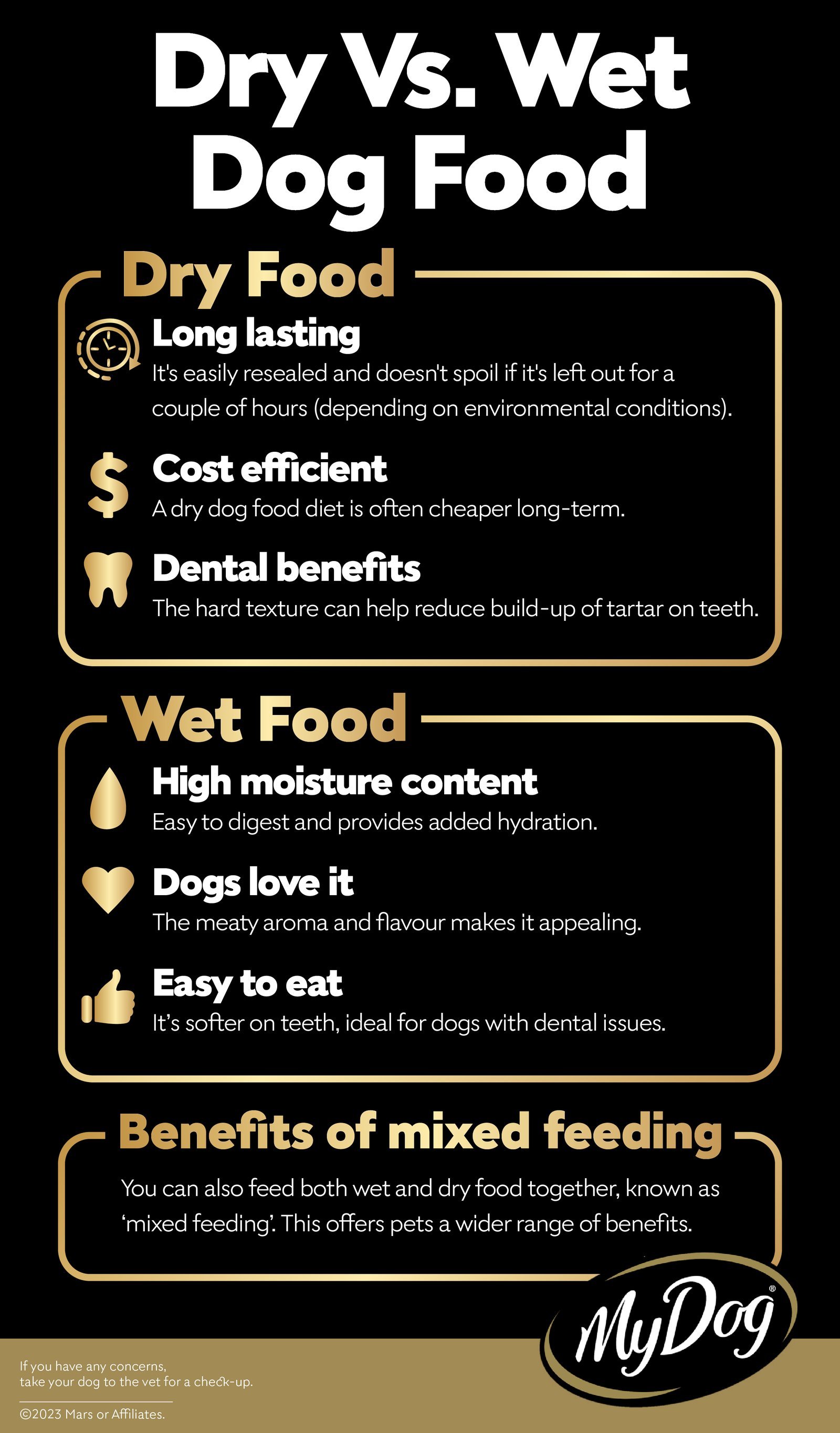
You can choose different feeding methods based on your dog’s health, age, and your own time availability.
| Your situation | Answer | Why |
|---|---|---|
| Busy daily schedule | Yes | Commercial food is balanced |
| Specific food allergies | Maybe | Requires careful diet planning |
| High-activity working dog | Maybe | Needs high calorie density |
| Healthy adult dog | Yes | Simplifies daily nutrition |
Deciding the right nutrition
Your dog requires a precise balance of nutrients to function, which commercial kibble or canned products are formulated to provide. These products undergo testing to meet standards set by the Association of American Feed Control Officials to ensure they contain the right ratios of protein, fat, vitamins, and minerals for different life stages. If you choose to prepare meals at home, you risk creating dangerous deficiencies that can lead to bone deformities, organ failure, or poor coat health. Home-cooked diets are rarely balanced unless a veterinary nutritionist creates the recipe. If you want to use fresh ingredients, you must use a recipe designed by a professional; if you prefer convenience, you should stick to commercial products that state they meet nutritional adequacy standards.
Options for your dog
If you decide to move away from standard kibble, follow these steps to ensure safety.
- Consult your veterinarian to discuss your dog’s specific caloric and nutrient needs based on their age, weight, and activity level.
- Request a referral to a board-certified veterinary nutritionist who can formulate a complete, balanced recipe that avoids toxic ingredients like onions, garlic, or grapes.
- Purchase a precision kitchen scale to weigh every ingredient in grams, as volume measurements like cups are often inaccurate and lead to overfeeding or malnutrition.
- Prepare batches in advance and store them in the freezer, reheating portions to room temperature before serving to ensure they’re safe to eat.
- Monitor your dog’s weight and energy levels regularly, adjusting the daily portion size by 5% if you notice weight gain or loss.
The mistake people make
Many owners assume that “human-grade” ingredients automatically mean a meal is nutritionally complete. This mistake often results in severe calcium-phosphorus imbalances, which can cause permanent skeletal damage in growing dogs within just a few months. Owners often guess at portion sizes or substitute ingredients without professional guidance, which costs the dog their long-term health and leads to expensive emergency veterinary bills. The only way to avoid this is to follow a recipe strictly provided by a veterinary nutritionist, never substituting ingredients, and using a scale for every single gram of food.
When to stop and get help
- Sudden weight loss: Your dog isn’t getting enough calories, and you need a professional to recalculate the diet.
- Persistent vomiting or diarrhea: This indicates a food intolerance or infection that requires immediate veterinary intervention.
- Lethargy or weakness: These are signs of severe nutrient deficiency that only a vet can diagnose.
- Signs of bone pain: Improper mineral balance causes structural damage that needs urgent clinical assessment by a licensed veterinarian.
Frequently asked questions
Can I feed my dog table scraps?
No, you can’t rely on table scraps for nutrition. Most human food contains too much salt, fat, or toxic ingredients like onions, which are dangerous for dogs and lack the balance they need.
Is raw meat safer than kibble?
No, raw meat carries significant risks of bacterial contamination like Salmonella and Listeria. These pathogens pose a danger to both the dog and the human members of the household who handle the food.
How do I know if the food is balanced?
Check the label for a statement of nutritional adequacy from a recognized authority. If you’re cooking, you must have the recipe analyzed by a veterinary nutritionist to ensure it meets all standards.
Does my dog need variety in their diet?
No, dogs don’t require variety to be healthy. A consistent, high-quality diet that meets all their nutritional needs is better for their digestive system than constantly changing what they eat.
Is grain-free food better?
No, there’s no scientific evidence that grain-free diets are healthier for most dogs. You should only switch if your veterinarian diagnoses a specific grain allergy through a formal elimination diet trial.
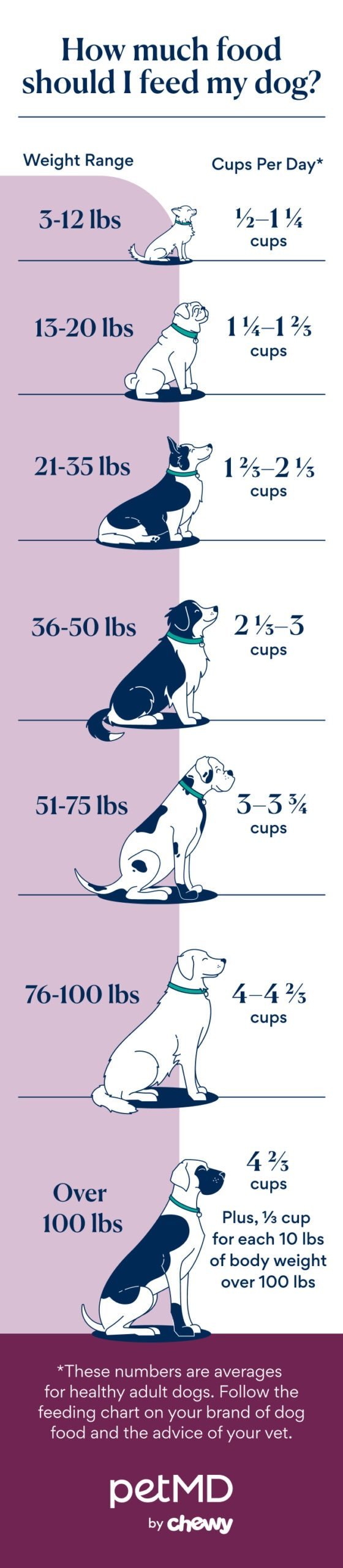
How much should I feed my dog?
It depends on the dog’s weight, age, and activity level. Check the feeding guidelines on the packaging or ask your vet to calculate the exact number of kilocalories your specific dog needs daily.
What to do next
Start by scheduling an appointment with your veterinarian to review your current feeding routine. You should expect a clear plan that keeps your dog at a healthy weight, and look for signs of a shiny coat and steady energy levels. Stop immediately if you see any digestive distress.
Related guides