
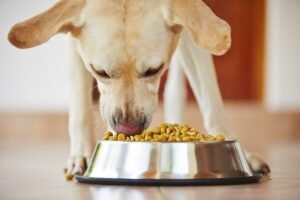
Yes, dogs need to eat dog food because it provides the complete nutrition they require to stay healthy. While humans eat many types of food, commercial products are formulated to meet the nutritional standards for dogs established by professional organizations.
The short version
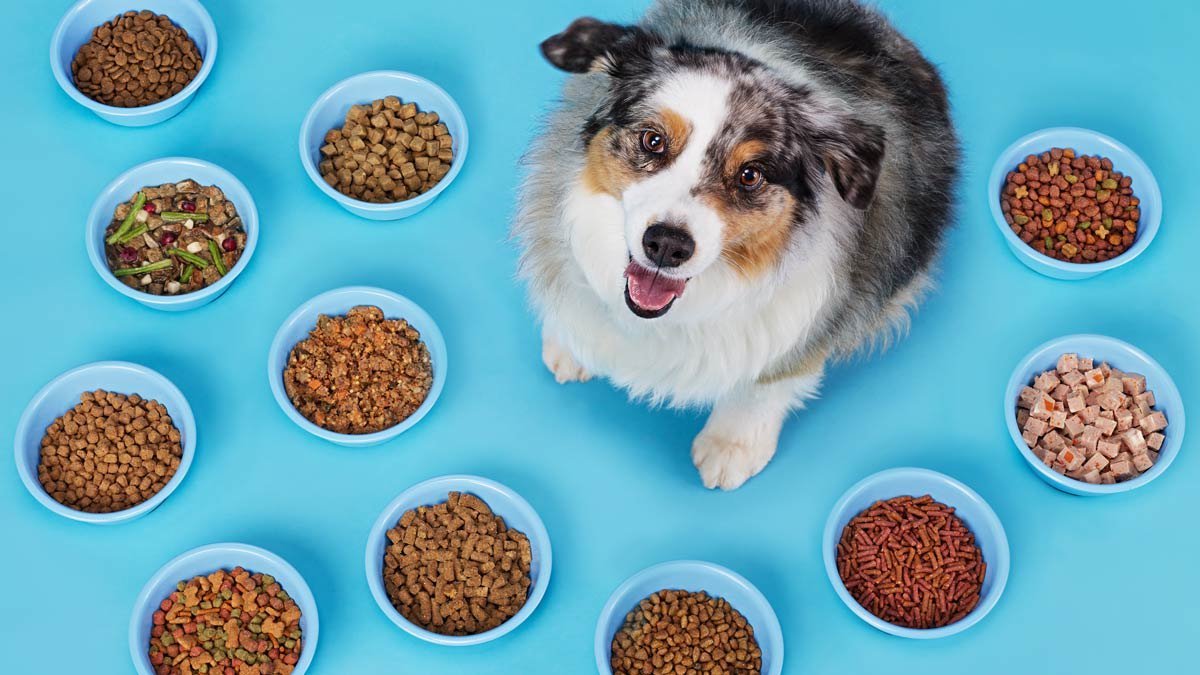
- Choose products labeled “complete and balanced” to ensure your dog gets all necessary vitamins and minerals.
- Check the feeding guide on the back of the bag; this is based on your dog’s current weight.
- Avoid feeding your dog human foods like grapes, onions, or chocolate, as these are toxic to their systems.
- If you decide to prepare homemade meals, you must work with a veterinary nutritionist to avoid dangerous nutrient gaps.
- Fresh, clean water must be available to your dog at all times to support digestion and overall health.
- Consult your veterinarian before making any major changes to your pet’s regular diet.
Why proper nutrition matters for dogs
Dogs have different biological needs than humans, meaning they can’t thrive on our leftovers or simple scraps. A dog’s body requires a specific balance of proteins, fats, carbohydrates, vitamins, and minerals to maintain organ function, bone health, and a strong immune system. Commercial dog food is engineered to provide these exact ratios in every bowl. When a dog eats a diet that isn’t balanced, they may suffer from skin issues, poor coat quality, or long-term organ damage. If you choose to cook for your pet, you must follow a recipe approved by a veterinary nutritionist. Skipping this step often leads to calcium or taurine deficiencies, which are difficult to detect until the animal becomes very ill. Always check the label on your dog food bag for the “complete and balanced” statement. If you’re uncertain about your dog’s specific health needs, ask your vet to review your current feeding plan during your next visit.
When the answer is different
| Situation | What changes | What to do instead |
|---|---|---|
| Puppy stage | High calorie needs | Use growth-specific puppy formulas |
| Weight issues | Calorie density | Consult vet for portion control |
| Food allergies | Protein sources | Use limited ingredient diets |
| Senior dogs | Nutrient absorption | Switch to senior-specific recipes |
| Medical illness | Ingredient limits | Follow prescription veterinary diets |
How to do it properly
- Read the packaging label to ensure the food is appropriate for your dog’s specific life stage, such as puppy, adult, or senior.
- Calculate the daily portion by matching your dog’s current weight to the chart printed on the side of the bag or container.
- Use a standard measuring cup to portion out the food regularly, rather than leaving a large pile out for grazing all day.
- Monitor your dog’s body condition by feeling their ribs; you should feel them easily without pressing hard through a thick layer of fat.
- Introduce any new food brand slowly over seven days by mixing increasing amounts of the new food into the old to prevent stomach upset.
- Wash your dog’s food and water bowls with hot, soapy water after every meal to prevent the growth of harmful bacteria like Salmonella.
The mistakes that ruin it
- Feeding dogs table scraps as a main meal creates an imbalance that leads to obesity and nutrient deficiencies.
- Changing a dog’s food brand too quickly often results in severe diarrhea and vomiting.
- Leaving wet food out for more than two hours allows bacteria to grow, which can make your dog sick.
Frequently asked questions
Can dogs eat human food safely?
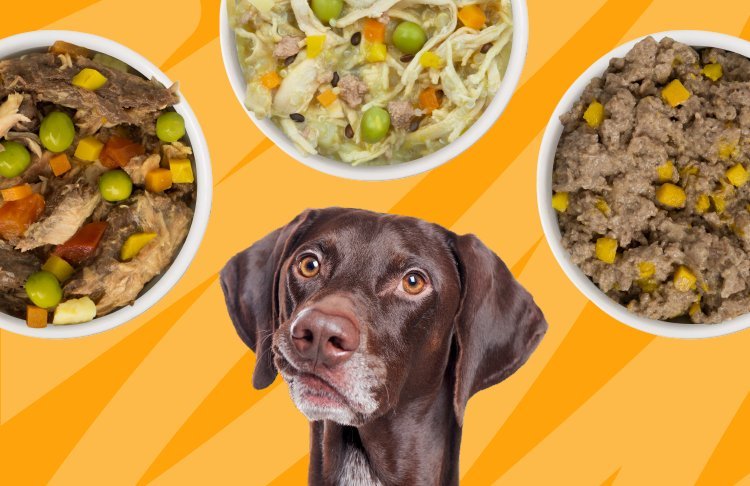
Some human foods are safe in small amounts, like plain cooked chicken or rice, but most human meals contain seasonings or ingredients that are toxic to dogs. It’s best to keep human food as an occasional treat rather than a meal.
How do I know if my dog is getting enough?
Your dog is getting the right amount if they maintain a stable, healthy weight as determined by your vet. If you notice your dog losing weight or constantly acting hungry, check the feeding guide on the package and adjust the portion size.
Is grain-free food better for dogs?
There’s no scientific evidence that grain-free food is better for the average dog. Unless your veterinarian has diagnosed your dog with a specific grain allergy, grains are a healthy source of energy and fiber for most pets.
What happens if I stop buying dog food?
Your dog will likely suffer from severe malnutrition if you stop feeding them balanced dog food. Homemade diets are very difficult to balance correctly, and most home-cooked meals lack the essential minerals needed to prevent long-term bone and heart issues.
How often should I change my dog’s food?
You don’t need to change your dog’s food if they’re healthy and enjoy their current diet. If you do need to switch, always transition slowly over a full week to allow their digestive system to adjust to the new ingredients.
Does the price of dog food matter?
Higher-priced dog food often includes higher-quality protein sources and more rigorous safety testing. However, the most important factor is that the food meets the nutritional standards for your dog’s specific life stage and activity level.
Final Thoughts
Feeding your pet a balanced diet doesn’t have to be complicated. If you’re unsure about the best choice for your furry friend, don’t hesitate to ask your vet for a recommendation. They’ll help you pick a high-quality brand that’s perfect for your dog’s specific age, size, and activity level.