
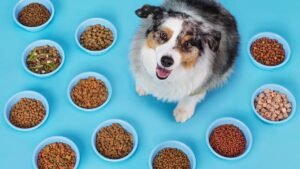
When asking do dogs need dog food, the answer is no, provided they receive a complete and balanced nutrient profile to stay healthy. If you choose a homemade diet instead of commercial products, you must work with a veterinary nutritionist to avoid dangerous deficiencies.
Nutritional requirements
Domestic dogs are omnivores that require a specific mix of proteins, fats, vitamins, and minerals to maintain organ health. Commercial diets are formulated to meet these standards. If you decide to feed your dog human food, you must account for the fact that many common ingredients are toxic to canines, such as onions, garlic, grapes, and chocolate. A homemade diet requires precise calculation of calcium-to-phosphorus ratios and essential amino acids. Without professional guidance, your dog will likely suffer from long-term health issues like bone weakness or heart disease.
Do dogs need homemade food

- Consult a board-certified veterinary nutritionist to create a recipe based on your dog’s specific weight, age, and activity level.
- Select high-quality protein sources like lean chicken, turkey, or beef that are cooked thoroughly to remove pathogens.
- Incorporate complex carbohydrates such as cooked brown rice, sweet potatoes, or oats to provide sustained energy.
- Add the specific vitamin and mineral supplements prescribed by your veterinarian to fill the gaps left by whole foods.
- Store all prepared portions in airtight containers in the refrigerator for no more than three days, or freeze them for up to three months.
Tip: Never guess the supplement dosage, as too much of certain vitamins can be just as harmful as a deficiency.
Tip: Always weigh your ingredients on a digital scale rather than using volume measurements like cups to ensure consistency.
Meal preparation timelines
The effort required to prepare food depends heavily on your dog’s size and your storage capacity.
If you find that meal prep takes longer than expected, consider preparing larger batches once a week to save time.
Signs of a healthy diet
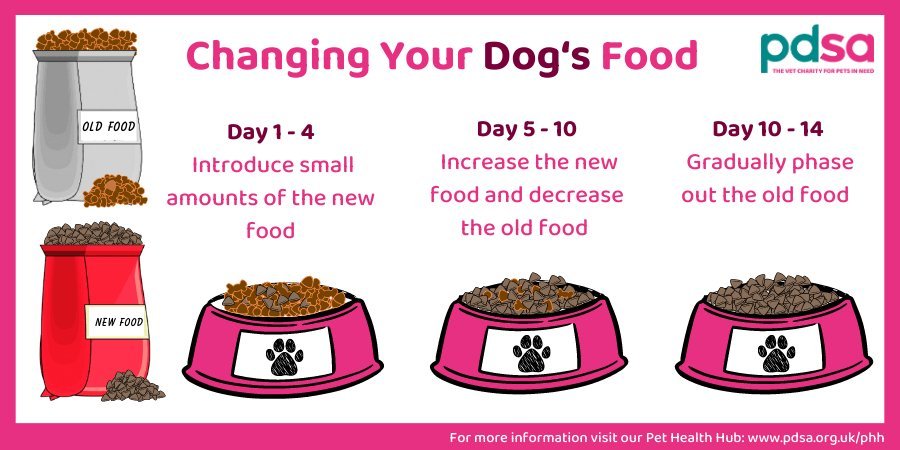
A dog on a balanced diet should maintain a steady weight and display a shiny, healthy coat. You should monitor their energy levels and stool quality, as these are the most immediate indicators of digestive health. The Association of American Feed Control Officials provides the standards that define what nutrients dogs need to avoid malnutrition. If your dog experiences sudden weight loss, lethargy, or chronic vomiting, consult a veterinarian immediately to assess if the diet is truly meeting their needs.
Mistakes that ruin it
- Skipping the supplements: Many owners assume meat and vegetables provide everything a dog needs, but this leads to severe mineral imbalances. Always use the exact supplement blend recommended by a professional.
- Feeding toxic scraps: Adding leftovers from your own plate can introduce dangerous ingredients or excessive salt and fat. Stick strictly to the approved recipe to avoid accidental poisoning.
- Inconsistent portioning: Eyeballing the amount of food leads to obesity or malnutrition over time. Use a kitchen scale to ensure every meal meets the exact calorie needs defined by your vet.
Frequently asked questions
Can dogs live on human food alone?
Yes, dogs can live on human food, but only if that diet is scientifically balanced by a specialist. Feeding leftovers or random combinations of human ingredients will lead to severe malnutrition or toxicity issues. You must follow a precise, vet-approved recipe to ensure your dog receives all essential nutrients.
Do dogs need dog food?
Commercial food is recommended because it’s formulated to meet established nutritional standards for all life stages. These products undergo testing to ensure they’re safe and provide a consistent balance of nutrients. Preparing this level of balance at home is difficult and requires constant monitoring by a professional.
Is raw meat better for dogs?
No, raw meat isn’t inherently better and carries significant risks of bacterial contamination like Salmonella and Listeria. These pathogens can affect both the dog and the humans in the household. Cooking meat to a safe internal temperature is the only way to eliminate these biological risks.
What happens if a dog misses a nutrient?
Missing a single nutrient might not show immediate symptoms, but it causes long-term organ damage over weeks or months. Deficiencies in calcium or taurine, for example, can lead to skeletal deformities or heart failure. These issues are often irreversible by the time they become noticeable to the owner.
How do I know if the food is safe?
Safe food is prepared in a clean environment using ingredients that aren’t toxic to dogs. You must verify that every ingredient in your recipe is safe for canine consumption. If you’re unsure about an ingredient, check with your veterinarian before adding it to your dog’s bowl.
Final Thoughts
Ultimately, your dog’s long-term health depends on consistent, high-quality nutrition rather than the convenience of a bag. If you’re considering a change in their routine, don’t hesitate to reach out to your vet. They’ll help you create a plan that keeps your best friend’s tail wagging for years to come.
Related guides