

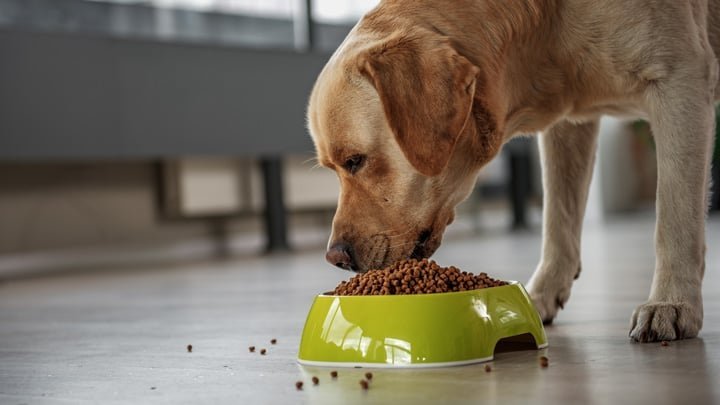
You might ask, do dogs have to eat dog food? They do not, as they are omnivores that can thrive on a balanced diet of human-grade ingredients. While you don’t strictly need commercial kibble, you must research canine nutritional requirements to ensure their meals are complete.
Do dogs have to eat dog food?
- Dogs need specific ratios of protein, fat, vitamins, and minerals to stay healthy.
- Commercial food follows AAFCO standards to ensure safety for daily feeding.
- Homemade meals require a veterinary nutritionist to balance nutrients for your specific dog.
- Raw diets carry higher risks of bacterial contamination like Salmonella and Listeria.
- Consult your veterinarian before making any permanent changes to your dog’s daily menu.
- Avoid toxic foods like onions, garlic, grapes, and chocolate at all times.
Why homemade nutrition requires expert guidance
Providing a healthy homemade diet is a complex task because dogs have precise biological needs that change based on their age, weight, and activity level. If you choose to skip commercial options, you can’t simply feed your dog leftovers from your own dinner plate. A balanced canine diet requires a specific blend of amino acids, fatty acids, and essential minerals that are difficult to measure in a home kitchen. If your dog is a growing puppy, the risk of malnutrition is even higher compared to an adult dog. This is why you should always work with a board-certified veterinary nutritionist to create a custom recipe that hits every nutritional target your specific dog requires.
When the answer is different
| Situation | What changes | What to do instead |
|---|---|---|
| Growing puppies | Calcium needs | Use vet-approved growth formulas |
| Kidney disease | Protein restrictions | Follow strict therapeutic diets |
| Food allergies | Ingredient sources | Use limited ingredient diets |
| Senior dogs | Calorie density | Adjust portions for lower activity |
| Active working dogs | Energy requirements | Increase fat and protein intake |
How to do it properly
- Schedule a consultation with a veterinary nutritionist to determine your dog’s exact caloric needs.
- Purchase a digital kitchen scale to measure every ingredient by weight, not by volume.
- Select high-quality protein sources like lean beef, chicken, or fish, cooked to safe temperatures.
- Include complex carbohydrates like sweet potatoes or brown rice that have been cooked until soft.
- Add a veterinarian-recommended supplement to cover gaps in micronutrients, vitamins, and essential minerals.
- Store individual portions in the freezer to prevent spoilage and bacterial growth.
- Monitor your dog’s weight and energy levels weekly, adjusting meal portions based on their physical condition.
The mistakes that ruin it
- Feeding only muscle meat without organs or bone causes dangerous calcium and mineral deficiencies.
- Including toxic household ingredients like onions or garlic can cause life-threatening anemia in dogs.
- Guessing portion sizes leads to obesity or rapid weight loss, which strains the heart and joints.
- Failing to balance the ratio of calcium to phosphorus results in permanent bone density loss.
Frequently asked questions
Can I feed my dog only cooked chicken and rice?
No, a diet of only chicken and rice is incomplete and lacks the essential vitamins, minerals, and fatty acids a dog needs. This combination serves as a temporary bland diet for upset stomachs but causes malnutrition if fed long-term.
Is raw meat better for dogs than kibble?
No, raw meat isn’t inherently better and carries a higher risk of foodborne illnesses for both the dog and the owner. The safety of a diet depends on its nutritional balance rather than the temperature or raw state of the ingredients.
What happens if I don’t add supplements to homemade meals?
Your dog will likely develop severe health issues, including brittle bones, poor coat quality, and organ failure over time. Commercial diets include these additives by default, but homemade meals require you to add them manually to meet nutritional requirements.
How do I know if my dog is getting enough nutrients?
You must track your dog’s weight, coat condition, and energy levels while working closely with your veterinarian. A vet can perform blood tests to check for deficiencies that aren’t visible to the naked eye during daily activities.
Does it matter if I switch between brands of food?
It doesn’t matter, provided the foods are nutritionally complete and you transition slowly over seven days. Rapid changes to a dog’s diet often cause digestive upset, including vomiting or diarrhea, regardless of the brand’s quality.
How long can I keep homemade dog food in the fridge?
You should keep homemade food in the refrigerator for no more than three days to prevent bacterial growth. If you prepare larger batches, store them in the freezer and thaw individual portions in the fridge overnight before feeding.
Final Thoughts
Feeding your pet fresh, home-cooked meals is a rewarding way to show you care, but it’s a big responsibility. Before you switch their bowl, talk to your veterinarian about a custom plan that fits your dog’s specific needs. They’ll help you make sure your furry friend stays happy and healthy for years.
Related guides