
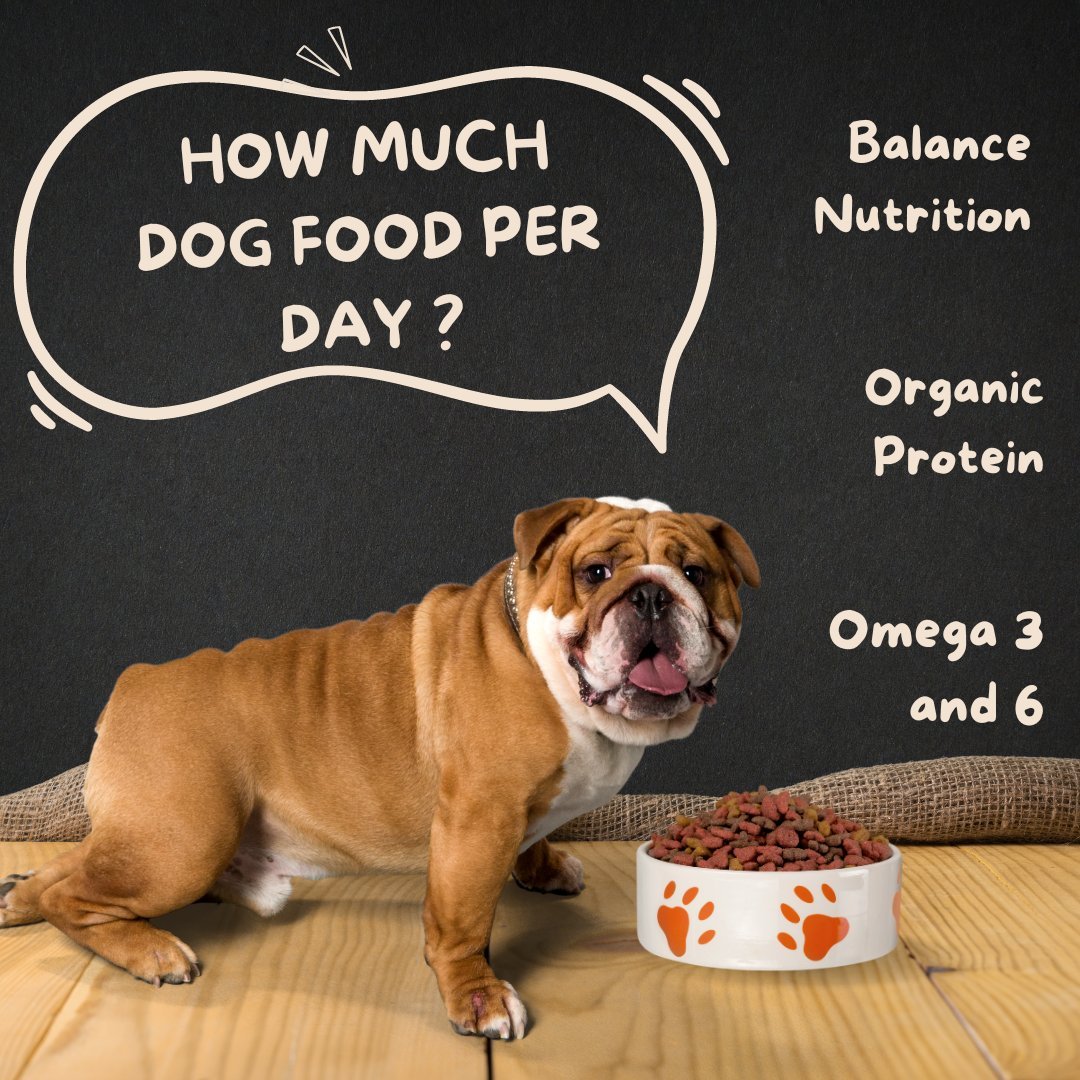
You can a day dog food, but this depends on your pet’s age, health, and activity levels. Most adult dogs thrive on a single meal, while puppies and seniors often need more frequent feedings to manage their digestion.
Feeding schedules for your pet
| Your situation | Answer | Why |
|---|---|---|
| Healthy adult dog | Yes | Simple for daily routine |
| High-energy working dog | No | Needs more steady energy |
| Puppy under six months | No | Needs growth-focused calorie intake |
| Senior dog | No | Better for digestion control |
| Dog with bloat risk | No | Smaller meals prevent gas |
| Dog on medication | No | Needs food with each dose |
What decides the frequency
The total daily caloric requirement is the primary factor that decides your dog’s feeding schedule. This value is determined by the dog’s weight, breed, and metabolic rate rather than just the clock. If you provide the full daily amount in one sitting, you must ensure the dog doesn’t eat too fast, which can lead to digestive discomfort. For large breeds, the risk of gastric dilatation-volvulus (bloat) makes multiple smaller meals safer than one large serving. If your dog has a high activity level, then divide the food; if your dog is sedentary, then once a day may be sufficient.
How to adjust your routine
If you decide to feed your dog once per day, follow these steps to maintain their health:
- Calculate the daily portion based on the weight guidelines printed on your dog food bag to avoid overfeeding.
- Use a standard measuring cup to ensure you provide the exact amount prescribed for your dog’s current weight.
- Set a consistent time for the feeding to help your dog regulate their digestion and bathroom habits throughout the day.
- Monitor body condition by checking if you can easily feel their ribs without seeing them, which indicates a healthy weight.
- Adjust the amount if you notice weight gain or loss, typically by five percent per week until you reach the target.
The mistake people make
The most common mistake is ignoring the total calorie count by focusing only on the number of meals. People often assume that feeding once a day means they can provide an unlimited amount of food, which leads to obesity and joint stress. This costs you extra in veterinary bills and reduces your dog’s lifespan. The one check that avoids this is reading the “feeding guidelines” panel on the food packaging. This varies by brand — check the label for the exact gram or cup measurement for your dog’s specific weight class.
When to stop and get help
- Sudden loss of appetite lasting more than 24 hours requires a vet visit.
- Visible ribs or rapid weight gain indicates your current feeding plan is failing.
- Persistent vomiting after meals needs professional diagnostic testing for underlying health issues.
- Difficulty chewing suggests dental pain that only a veterinarian can treat.
If your dog shows these signs, stop your current feeding routine and contact your local animal clinic immediately for advice.
Frequently asked questions
Can a puppy eat once a day?
No, puppies shouldn’t eat once a day because they have small stomachs and high energy needs for growth. Most veterinarians recommend three to four small meals daily until they reach at least six months of age.
How do I know if my dog is hungry?
If your dog is pacing near their bowl or whining near mealtimes, they’re likely hungry. However, check their physical weight regularly to ensure their behavior isn’t just a sign of begging for treats.
Is it safe to change feeding times suddenly?
No, changing feeding times suddenly can cause digestive upset. If you must shift the schedule, do it gradually over five to seven days by moving the mealtime by 30 minutes each day until you reach the goal.
Does the type of food change the frequency?
Yes, the type of food influences your feeding schedule. Wet food spoils faster than dry kibble, so it should be consumed in one sitting, whereas dry food is often left out if you use a slow-feeder bowl.
What happens if my dog skips a meal?
If your dog skips a meal, it’s usually harmless if they remain active and drink water. If they skip two meals in a row or show signs of lethargy, consult your veterinarian to rule out illness.
Does the dog breed matter?
Yes, the breed matters significantly for feeding frequency. Large, deep-chested breeds have a higher risk of bloat and should always eat smaller portions throughout the day rather than one large, heavy meal.
What to do next
Calculate your dog’s total daily food requirement based on the bag instructions. Offer the food at the same time each day and monitor their weight for two weeks. If your dog shows signs of discomfort or refuses to eat, stop the routine and call your veterinarian for guidance.
Related guides