
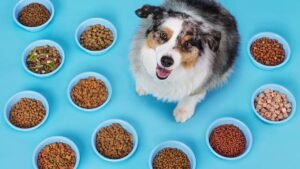
People often ask, are dog food good for dogs? Commercial diets are designed to provide complete nutrition, meeting the standards set by regulatory bodies.
High-quality commercial food is formulated to prevent common nutritional deficiencies. The most frequent mistake owners make is changing a dog’s diet too quickly, which often causes stomach upset or diarrhea. If you must switch brands, do it gradually over seven days by mixing increasing amounts of the new food with the old.
Are dog food good for dogs? How to choose
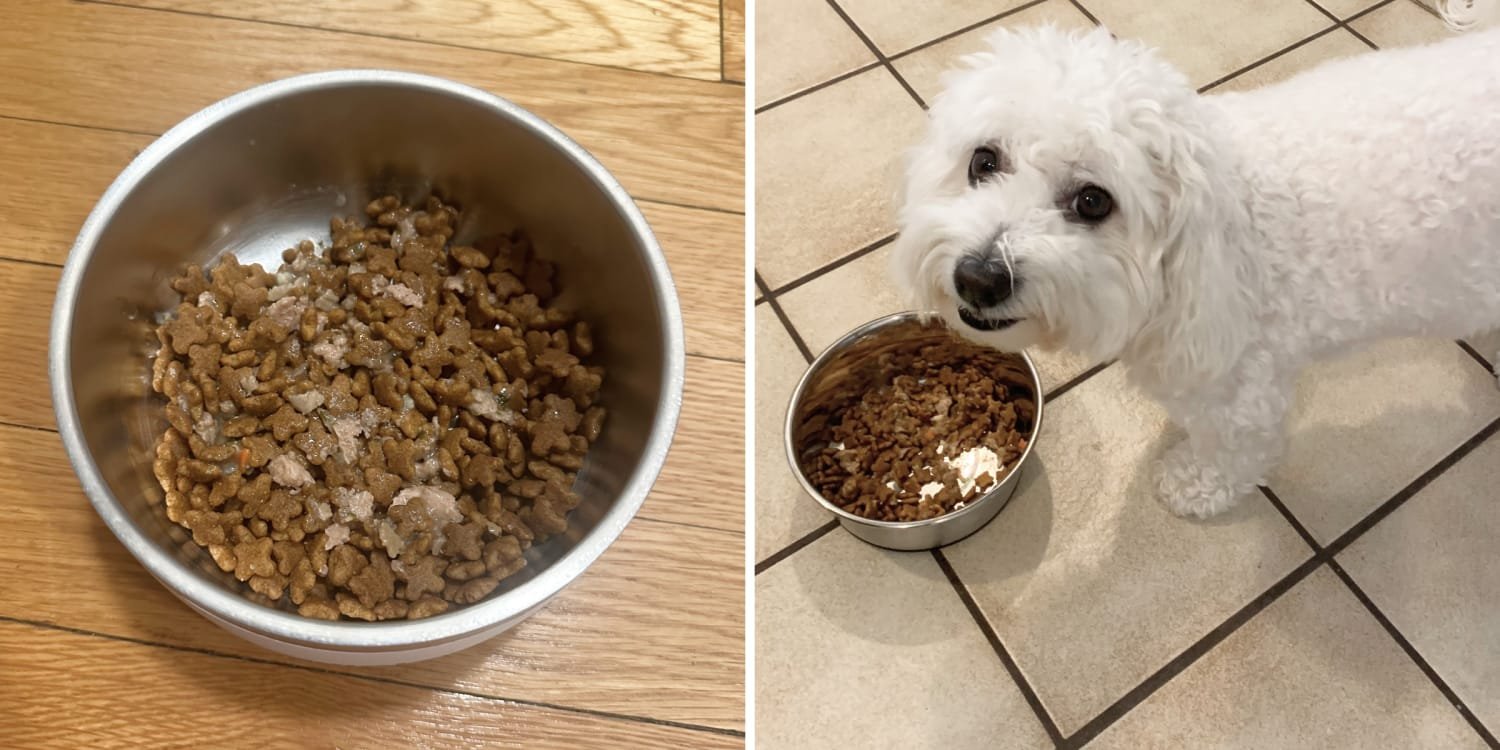
- Choose a formula labeled for your dog’s specific life stage, such as puppy, adult, or senior, as these have different calorie and nutrient densities.
- Follow the serving guidelines on the package, which typically start with a range based on weight; use a measuring cup to ensure you don’t overfeed.
- Keep clean, fresh water available at all times, as dry kibble contains less moisture than wet food or raw diets.
- Store dry food in a cool, dry place inside an airtight container to prevent fats from going rancid, which can make the food unpalatable and less nutritious.
- Check your dog’s body condition weekly by feeling their ribs; you should feel them easily without a thick layer of fat, but they shouldn’t be visible.
- Consult your veterinarian before adding supplements, as commercial foods are already balanced, and extra minerals can sometimes interfere with proper absorption.
Tip: If your dog refuses to eat, check the expiration date on the bag; feeding expired food is a common error that risks bacterial contamination.
How long it takes
The time it takes for a dog to digest food varies based on the type of kibble and the dog’s size.
| Situation | Digestion Time | What changes it | What to watch for |
|---|---|---|---|
| Dry kibble | 8–12 hours | Size of the dog | Stool consistency |
| Wet food | 4–8 hours | Activity level | Energy levels |
| High-fiber diet | 12–16 hours | Age of the dog | Frequency of bowel movements |
If your dog consistently takes longer than 24 hours to pass waste, it may suggest a digestive blockage or intolerance that requires a professional vet visit.
How to tell when it’s done
You don’t need to cook commercial food, but you must monitor your dog’s reaction to ensure it’s the right choice. A healthy dog on a good diet will have a shiny coat, clear eyes, and firm, consistent stools. According to the Association of American Feed Control Officials, look for a statement on the label that confirms the food meets the nutritional profiles established for your dog’s specific life stage. If your dog experiences persistent itching, vomiting, or lethargy after eating, this is a sign that the specific ingredients in that formula don’t agree with them, regardless of the brand’s reputation.
Mistakes that ruin it
- Free-feeding: Leaving food out all day leads to obesity because it makes it impossible to track exactly how much your dog consumes. Use scheduled mealtimes to keep your pet at a healthy weight.
- Adding excessive table scraps: Human food is often too salty or fatty, which disrupts the nutritional balance of the dog’s primary diet. Limit human treats to less than ten percent of their daily calorie intake.
- Ignoring calorie density: Many owners assume all brands are the same, but one cup of food can vary by hundreds of calories depending on the fat content. Always adjust portions when you change brands to avoid rapid weight gain.
- Storing food in the garage: Temperature swings in unheated areas cause moisture buildup and mold growth, which can make your dog sick. Keep all pet food inside your home in a climate-controlled area.
Frequently asked questions
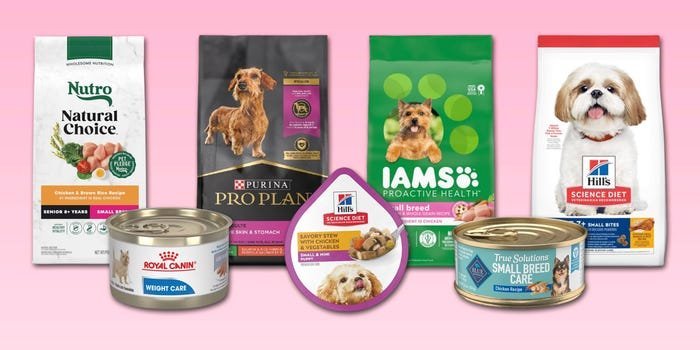
Can I mix dry and wet food for my dog?
Yes, you can combine them to improve palatability or hydration, provided you adjust the total portions to avoid overfeeding. Calculate the calories from both types to ensure your dog stays within their daily recommended limit. Mixing them is a safe way to encourage picky eaters to finish their meals.
Why does my dog get gassy after eating?
Gas is often caused by a sudden change in diet or an ingredient that’s difficult for your dog to digest. If the gas is accompanied by loose stools, try a brand with a different primary protein source. If it continues, speak with your vet about potential food sensitivities.
Is it safe to feed my dog grain-free food?
It’s safe for most dogs, but you should discuss this choice with your veterinarian before making the switch. Some research suggests a link between certain grain-free diets and heart issues in specific breeds. Always prioritize formulas that meet recognized nutritional standards for your dog’s life stage.
How do I know if my dog has a food allergy?
Symptoms of a food allergy typically include chronic ear infections, itchy skin, or frequent paw licking rather than just digestive issues. If you suspect an allergy, your veterinarian may recommend an elimination diet to identify the specific protein or ingredient causing the reaction. Don’t diagnose this yourself.
What happens if my dog eats too much?
Eating too much causes discomfort, vomiting, and long-term health issues like joint pain and diabetes due to obesity. If your dog accidentally consumes a large amount of food, watch for signs of bloating, such as a distended stomach or unproductive retching, which are emergencies requiring immediate veterinary care.
Final Thoughts
Choosing the right meal isn’t just about convenience; it’s about your pet’s long-term health. If you’re unsure which brand fits your pup’s needs, don’t hesitate to ask your vet for a recommendation. They’ll help you find a balanced option that’ll keep your furry friend happy, energetic, and feeling their absolute best.
Related guides