
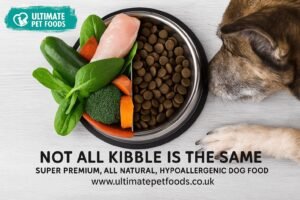
If you are wondering, are all dog foods the same? The answer is no. Commercial formulas differ in ingredient quality, safety testing, and nutritional balance. State rules only set legal minimums for survival, while real health depends on digestibility, life stage, and calorie density.
The short version
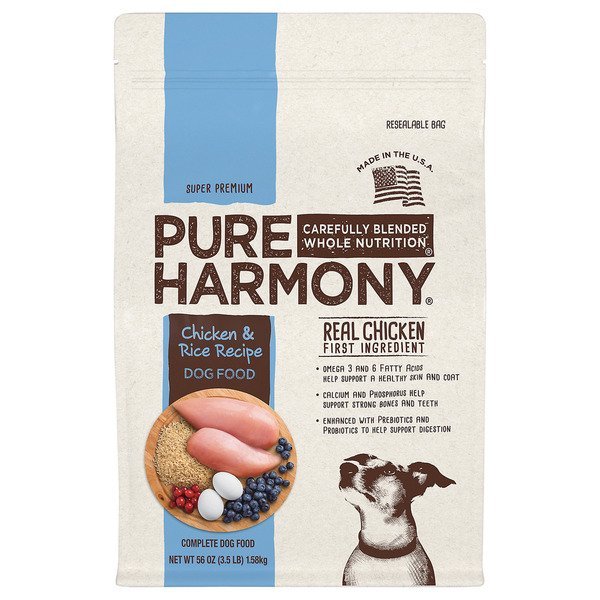
- Legal formulas meet baseline targets set by the Association of American Feed Control Officials, but base survival isn’t equal to optimal nutrition.
- Ingredient lists show items by pre-cooking weight, meaning fresh meat drops below dry meals once moisture cooks away.
- Digestibility varies by processing method, with cheap fillers creating more stool volume than bioavailable protein sources.
- Life-stage labels matter because puppy recipes carry higher phosphorus and calcium minimums than adult maintenance bags.
- Calorie content ranges widely from 300 to over 500 calories per cup, so standard scoop sizes cause accidental weight gain.
- The contact number on the bag shows quality: reliable brands employ full-time veterinary nutritionists to formulate diets.
Why recipes vary so wildly
Pet food manufacturing relies on completely different processing standards and raw material streams. While the FDA animal food safety guidelines require products to be safe and truthfully labeled, brands choose how to hit those targets.
Low-cost formulas meet crude protein minimums using plant meals and by-product fractions. These ingredients keep production costs low, but dogs digest plant proteins less efficiently than animal tissues. Premium brands formulate with specific animal meals and run feeding trials on live dogs. These trials cost significantly more than running software math, but they prove an animal actually absorbs the nutrients.
Manufacturing heat changes the food too. Extrusion forces wet dough through high-heat dies, which destroys natural vitamins and demands synthetic spray-on nutrients later. Gently baked or canned foods preserve more natural fats, yet they cost more per ounce and spoil faster once opened. This trade-off between manufacturing shelf-life and nutritional density shapes every product on the shelf.
When the answer is different
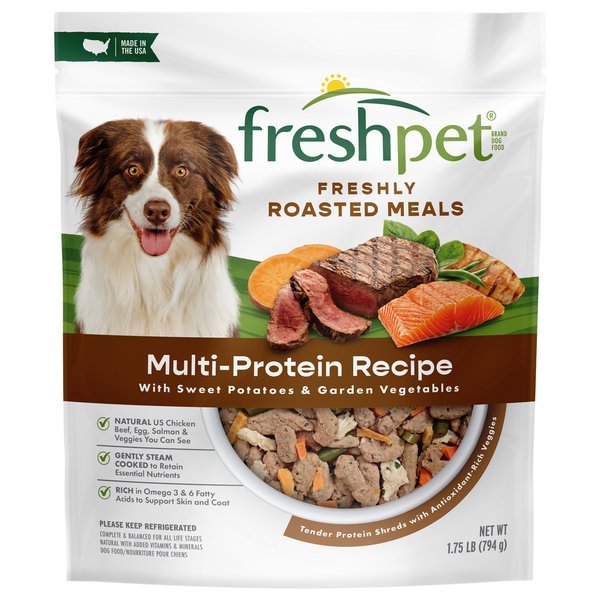
Special health conditions break the basic rule of buying standard, balanced food.
| Situation | What changes | What to do instead |
|---|---|---|
| Growing large-breed puppy | Excess calcium harms bone growth | Buy certified large-breed puppy food |
| Chronic kidney disease | Phosphorus stresses damaged organs | Feed low-protein prescription renal diet |
| Suspected food allergy | Common meats trigger itchy skin | Use hydrolyzed veterinary protein diets |
| Pancreatitis history | High fats trigger severe inflammation | Switch to certified low-fat formula |
| Severe obesity | Standard portions cause hunger | Use high-fiber therapeutic weight food |
| Advanced cardiac disease | Sodium causes fluid retention | Choose strict low-sodium cardiac meals |
How to do it properly
- Check the bag back for the exact AAFCO nutritional adequacy statement to confirm it fits your dog’s stage.
- Read the guaranteed analysis panel to note the crude protein and fat percentages for your animal’s lifestyle.
- Find the calorie statement on the packaging, which lists calories per cup rather than per pound.
- Calculate your dog’s daily calorie need based on exact body weight rather than the generic bag chart.
- Weigh the daily portion with a digital gram scale instead of using an inaccurate plastic kitchen scoop.
- Mix 25% new food with 75% old food for two days to let gut bacteria adapt safely.
- Increase the new food to 50% for two days, then 75% for two days, monitoring stool quality.
- Feed 100% of the new formula on day seven only if stool remains firm and formed.
The mistakes that ruin it
- Assuming the first ingredient tells the whole story leads buyers to purchase watery meats that shrink during extrusion.
- Switching formulas overnight shocks intestinal flora, resulting in days of watery diarrhea and unnecessary vet visits.
- Using a household coffee mug instead of a gram scale overfeeds pets by up to thirty percent daily.
- Buying all-life-stages food for giant puppies risks serious developmental bone diseases due to excessive mineral levels.
Frequently asked questions
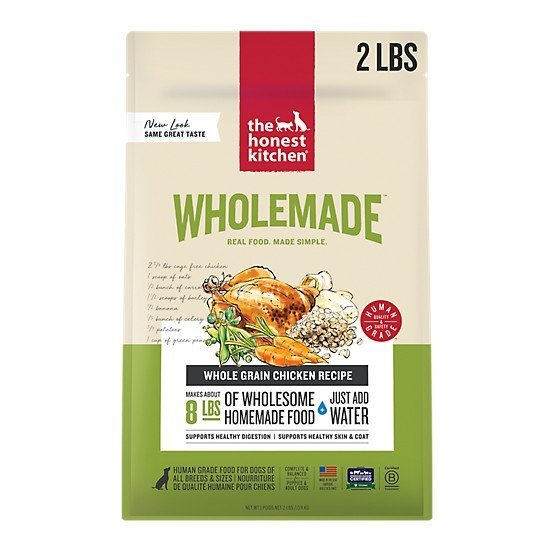
Can you mix different dog food brands together?
Yes, as long as both foods are complete and balanced. If you feed wet, reduce kibble portions by matching calories. If your dog has a sensitive gut, stick to one recipe to avoid stomach pain and sudden loose stools.
Why is cheap dog food bad for dogs?
Cheap dog food isn’t toxic, but it relies on low-cost grain by-products with poor bioavailability. This forces your dog’s body to work harder to extract essential amino acids, leading to larger, more frequent stools and duller coats over time.
How long does an open bag of dry dog food stay fresh?
About six weeks after opening. Oxygen oxidizes the fats on the kibble surface, turning them rancid.
Is grain-free dog food healthier for pets?
No, most dogs digest grains easily without health problems. This diet isn’t for healthy dogs, as veterinary cardiologists have studied links between certain non-prescription grain-free recipes high in peas or lentils and heart conditions like canine dilated cardiomyopathy.
What happens if you feed adult dog food to a puppy?
The puppy can suffer stunted muscle growth and severe bone deficiencies. Adult maintenance foods may not meet the specific nutrient ratios required for developing puppies to build healthy skeletal systems safely.
Are all dog foods the same?
Yes, if the brand uses veterinary nutritionists and conducts real feeding trials. You pay for better quality control, lower contamination risks, and digestible animal proteins that help keep joints healthy and reduce expensive long-term veterinary care costs.
Final Thoughts
Choosing the right bowlful isn’t just about convenience; it’s about your pet’s long-term vitality. Take a moment to read the ingredient label on your current bag tonight. If you don’t recognize the first few items, it’s worth talking to your vet about switching to a recipe that truly supports your dog’s needs.
Related guides