
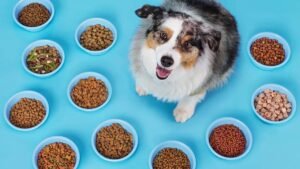
You might wonder, is dog food really good for dogs? Generally, yes, as commercial kibble and wet meals are formulated to meet specific nutrient profiles and regulatory standards. These products provide a balanced mix of proteins, fats, vitamins, and minerals that support canine health throughout their various life stages and activity levels.
Why it works / what to know first
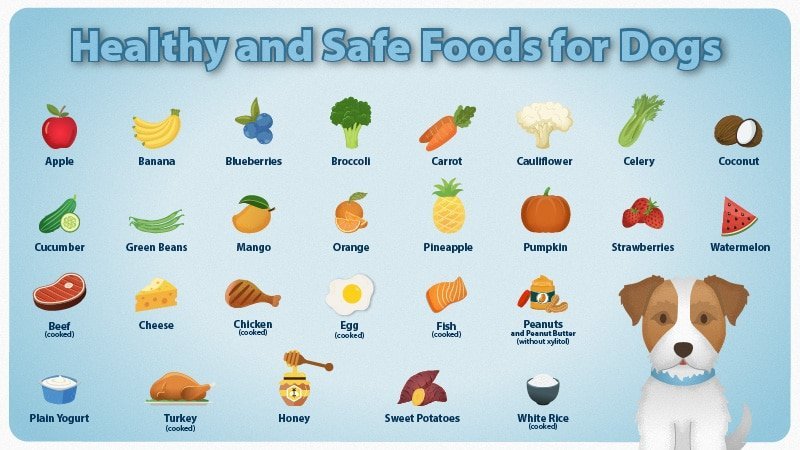
The primary benefit of commercial food is its nutritional consistency. Manufacturers design these recipes to deliver a precise balance of nutrients that an average home-cooked meal often lacks. When you choose a product labeled as “complete and balanced,” you’re buying a diet that has undergone rigorous testing to ensure it meets the physiological requirements of a canine.
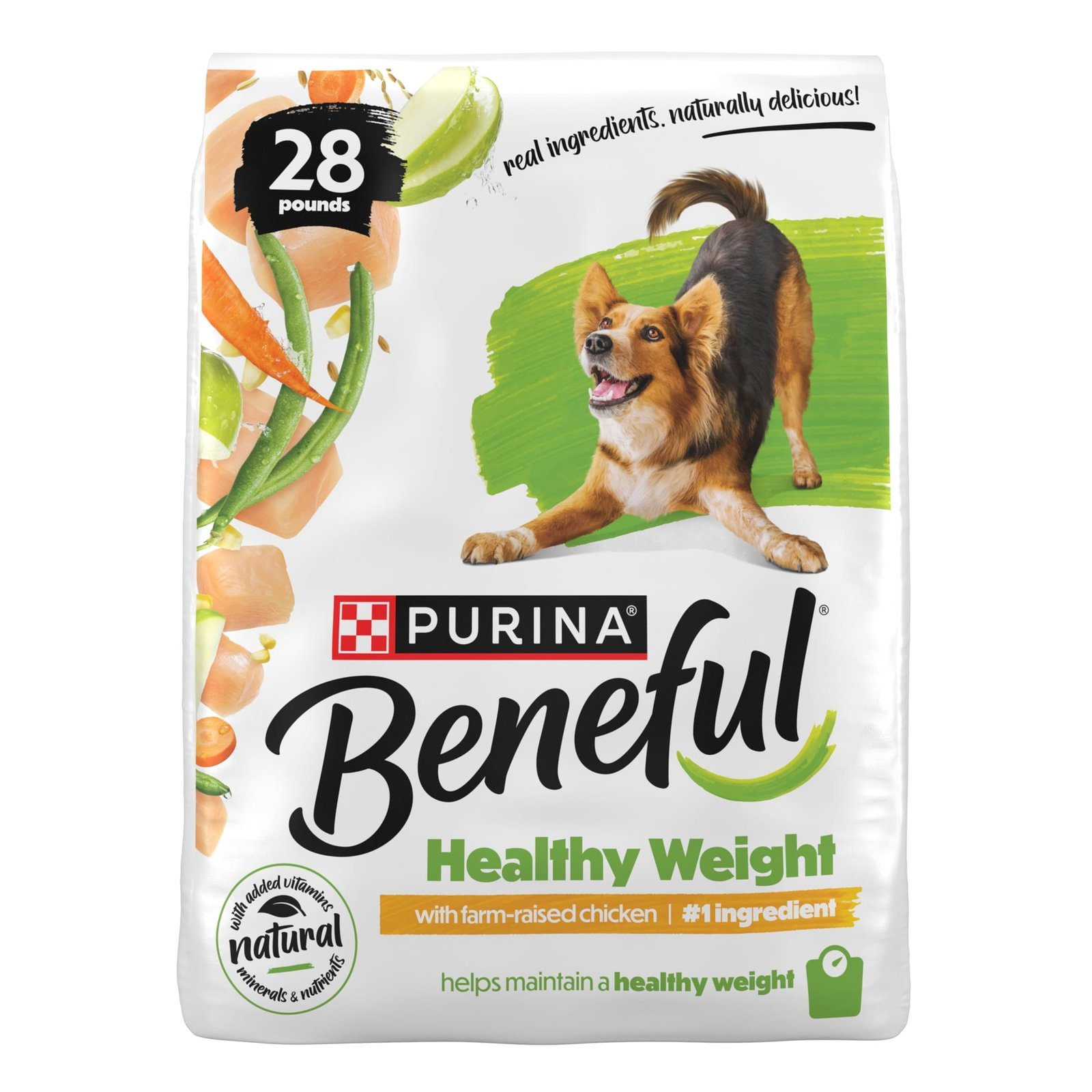
The most common mistake owners make is ignoring the life-stage label on the packaging. Feeding a puppy a formula designed for senior dogs can lead to developmental deficiencies, while feeding a sedentary adult a high-calorie puppy formula often results in rapid weight gain. Always check if the bag specifies “growth,” “adult maintenance,” or “all life stages.”
Proper feeding and storage routines
Photo: www.walmart.com on Google
- Read the label carefully to confirm the food matches your dog’s age, size, and activity level, as these define the nutritional density.
- Measure portions using a standard kitchen scale or measuring cup to prevent overfeeding, which is the leading cause of canine obesity.
- Store dry kibble in its original sealed bag inside an airtight container to keep it fresh and prevent the natural fats from going rancid.
- Keep wet food cans in a cool, dry pantry until opened, then move leftovers to the refrigerator for no more than 3 days.
- Follow the AAFCO guidelines for pet nutrition to ensure the product you select meets the minimum standards for essential nutrients.
- Consult your veterinarian before starting any new diet if your dog has existing health conditions, as some ingredients may interact with medications.
Tip: Never add human supplements to commercial food without professional advice, as you might cause a dangerous mineral imbalance.
Tip: Always provide fresh water alongside dry food to help with digestion and hydration, especially in warmer climates where fluid needs increase.
How long it takes
Photo: www.costco.com on Google
The time it takes to transition a dog to a new diet varies depending on their digestive sensitivity and the type of food being introduced.
| Situation | How long | What changes it | What to watch for |
|---|---|---|---|
| Normal transition | 7 to 10 days | Digestive sensitivity | Loose stools or gas |
| Sudden switch | 1 to 2 days | Breed-specific traits | Vomiting or diarrhea |
| Senior dog swap | 14 days | Metabolism speed | Appetite changes |
If your dog experiences persistent stomach upset beyond two weeks, stop the transition and contact your local veterinary clinic for guidance.
How to tell when it’s done
Photo: www.walmart.com on Google
You know the food is appropriate when your dog maintains a steady body weight and has a shiny, healthy coat. Your veterinarian is the final authority on this, using a Body Condition Score to assess if the diet is working for your specific animal. If your dog is constantly hungry or losing muscle mass, the caloric density may be too low for their activity level. Conversely, if you notice ribs disappearing under a layer of fat, you must reduce the portion size immediately. These physical cues are more reliable than any marketing claim on the front of a bag.
Mistakes that ruin it
Photo: www.target.com on Google
- Free-feeding all day: Leaving a bowl out encourages overeating and makes it impossible to track exactly how much your dog consumes. Use scheduled mealtimes regularly to maintain better control over their caloric intake and digestion.
- Mixing too many toppers: Adding excessive human table scraps dilutes the balanced nutrients in the kibble and can lead to obesity or pancreatitis. Stick to the base diet and use only small, healthy treats for training.
- Ignoring the expiration date: Feeding expired food risks bacterial contamination and the consumption of oxidized fats that have lost their nutritional value. Always rotate your stock and discard any food that has passed its “best by” date.
- Switching brands too quickly: Rapid diet changes often trigger gastrointestinal distress because the gut microbiome can’t adapt to new protein sources instantly. Always follow a gradual mixing schedule to allow your dog’s system to adjust safely.
Frequently asked questions
Can I feed my dog human food instead of dog food?
No, feeding only human food is risky because it’s difficult to balance the exact micronutrients a dog needs. Most human diets are too high in salt, sugar, or fats and lack the specific calcium-to-phosphorus ratios required for canine bone health, which can lead to long-term medical issues.
Is grain-free food better for my dog?
No, grain-free food isn’t inherently better unless your veterinarian has diagnosed a specific grain allergy. Most dogs digest grains perfectly well, and grains provide essential fiber and energy that support healthy digestion and a balanced gut environment for the majority of canine breeds.
Is dog food really good for dogs? How to spot quality
You should look for a statement on the label that confirms the food meets the nutrient profiles established by AAFCO. This certification ensures that the manufacturer has formulated the product to contain the correct levels of protein, amino acids, and minerals required for your dog’s specific life stage.
Why does my dog get gas after eating?
Gas is often caused by eating too quickly or reacting to a sudden change in ingredients. If the behavior persists, try using a slow-feeder bowl to reduce air intake during meals, or speak with your vet about whether a sensitive stomach formula would be more appropriate.
Is wet food better than dry food?
It depends on your dog’s hydration needs and personal preference, as both are nutritionally adequate when labeled “complete and balanced.” Wet food contains more water, which helps with hydration, while dry food is often more convenient for storage and can help reduce tartar buildup on the teeth.
What happens if I feed a puppy adult food?
Feeding adult food to a puppy can lead to stunted growth or skeletal problems because the nutrient density is insufficient for a growing animal. Puppies require higher concentrations of protein, fat, and specific minerals that aren’t present in adult maintenance formulas, so always use a growth-specific diet.
Final Thoughts
Choosing the right diet doesn’t have to be overwhelming, but it’s worth paying attention to your pet’s energy and coat quality. If you’re unsure about your current brand, don’t hesitate to ask your vet for a recommendation. They’ll help you find a high-quality option that’s perfect for your furry friend’s needs.