
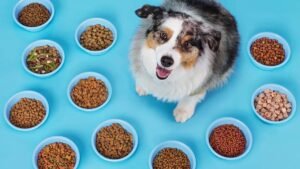
Is dog food actually good for them
Photo: www.nbcnews.com on Google
- Choose products labeled “complete and balanced” to ensure your dog gets all necessary nutrients.
- Check the bag for an AAFCO statement, which indicates the food is formulated to meet nutritional profiles established by AAFCO.
- Match the food type to your dog’s age, whether they’re a growing puppy or a senior dog.
- Monitor your dog’s weight regularly because feeding amounts vary by activity level and metabolism.
- If you notice skin irritation or digestion issues, it may indicate an allergy to a specific protein source.
- Consult your veterinarian before switching brands if your dog has a history of health problems.
Nutritional science for pets
Photo: www.consumerreports.org on Google
Manufacturers create dog food based on complex science that balances proteins, fats, carbohydrates, vitamins, and minerals. Dogs have different dietary needs than humans, and commercial foods aim to provide these in a stable, predictable format. If you choose a high-quality brand, the formula remains consistent across every bag. This consistency prevents the nutritional gaps that can occur with home-cooked meals if you don’t consult a veterinary nutritionist.
If the label says “complete and balanced,” it means the food contains all the nutrients a dog needs in the right amounts for their life stage. Some owners worry about preservatives or fillers, but these ingredients often serve a purpose. For example, fiber helps with digestion, while approved preservatives keep the food from spoiling. If your dog is healthy and active, standard commercial kibble is usually sufficient. However, if you have a dog with sensitivities, you might need a limited-ingredient diet. Always verify that the packaging includes a nutritional adequacy statement to avoid products that are intended only for supplemental feeding.
When the answer is different
Photo: www.petcarerx.com on Google
| Situation | What changes | What to do instead |
|---|---|---|
| Food allergies | Protein or grain source | Try a limited-ingredient diet |
| Underweight dogs | Higher caloric density needed | Switch to a performance formula |
| Kidney disease | Lower protein levels required | Use a veterinary prescription diet |
| Obesity | Calorie intake must drop | Measure portions with a scale |
| Puppy growth | Calcium and energy balance | Use a puppy-specific formula |
How to do it properly
Photo: www.walmart.com on Google
- Read the label to find the life stage category, such as “puppy,” “adult,” or “senior,” to ensure it fits your dog.
- Calculate the daily portion based on your dog’s weight and activity level, usually found in a chart on the side of the bag.
- Use a kitchen scale to measure the exact grams of food, as using a scoop can lead to overfeeding by up to twenty percent.
- Transition to new food over seven days by mixing twenty-five percent new food with seventy-five percent old food, gradually changing the ratio.
- Watch for signs of stomach upset, like loose stools or vomiting, which suggest the transition is moving too fast for your dog.
- Keep the food in its original bag inside a sealed container to prevent oxidation and maintain the freshness of the fats inside.
The mistakes that ruin it
Photo: www.costco.com on Google
- Feeding “all life stages” food to a large-breed puppy can lead to dangerous bone growth issues.
- Adding too many table scraps dilutes the nutrients in the dog food, which often leads to obesity.
- Leaving dry food out all day causes it to lose flavor and freshness, making your dog eat less.
- Buying food based on marketing claims instead of the nutritional adequacy statement often results in poor quality.
Frequently asked questions
Photo: www.walmart.com on Google
Is it safe to feed dogs raw meat?
No, it isn’t considered safe by most veterinarians due to the risk of bacterial contamination. Raw meat can carry pathogens like Salmonella that may harm both your dog and the people in your home, even if the dog seems healthy.
How do I know if the food is high quality?
Look for the AAFCO statement on the back of the bag. This confirms the food is formulated to meet established nutritional profiles.
Does grain-free food help dogs?
No, unless your veterinarian has diagnosed a specific grain allergy, there’s no evidence that grain-free food is better. Most dogs digest grains easily, and grains provide essential energy and fiber that support a healthy digestive tract.
Should I rotate brands of dog food?
It’s usually unnecessary to rotate brands if your dog is doing well on their current food. Frequent switching can lead to digestive upset, so stick to one high-quality, balanced brand unless your veterinarian suggests a change for health reasons.
What happens if I overfeed my dog?
Overfeeding leads to obesity, which shortens a dog’s life and causes joint pain. Check your dog’s body condition score by feeling their ribs; you should feel them easily without pressing hard, but they shouldn’t be clearly visible.
How long does an open bag of dog food last?
Most open bags stay fresh for about four to six weeks if stored in a cool, dry place. If you live in a humid climate, the food may spoil faster, so buy smaller bags to ensure your dog is eating fresh food.
Final Thoughts
Ultimately, your dog’s health depends on finding a balance that works for their unique lifestyle. Don’t hesitate to chat with your vet during your next visit to see if your current choice is the right fit. They’ll help you feel confident that you’re providing the best nutrition for your furry friend.