
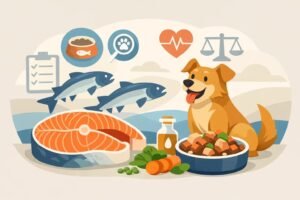
Does dog food really matter for long-term health, organ function, and vet bills? Yes, whether a pet eats balanced nutrition or cheap scraps determines the outcome. Poor diets cause dull coats, skin problems, and loose stool within four to six weeks.
The short version
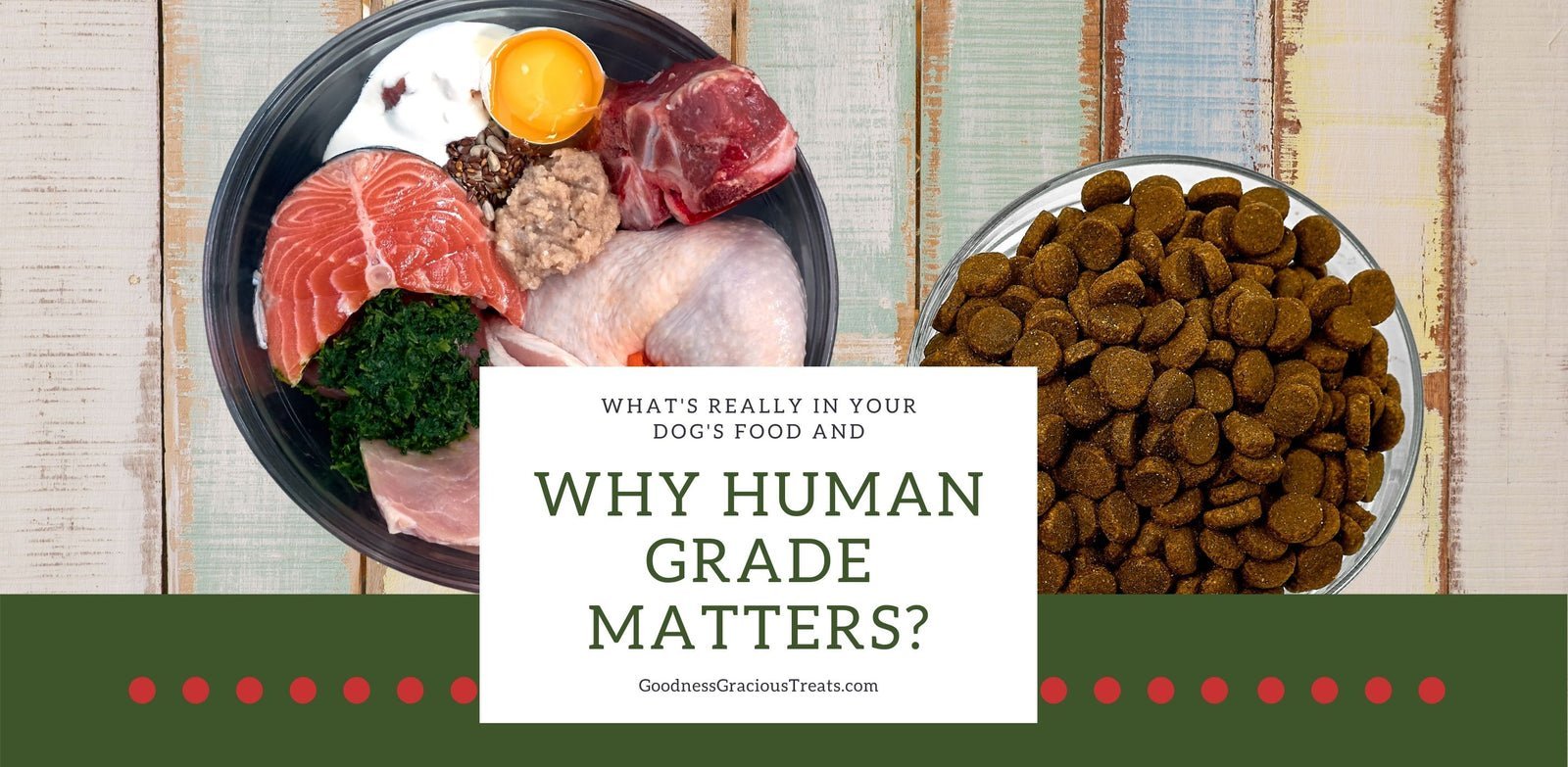
- Look for an AAFCO statement on the bag confirming the recipe is complete and balanced for your dog’s life stage.
- Premium boutique bags often cost triple the price of basic kibble, but price alone doesn’t prove better safety or digestion.
- If stool is firm and your dog stays active with clear eyes, keep your current food; if stool stays soft past two weeks, switch diets.
- Whole meat listed first doesn’t guarantee high protein, because fresh meat weighs mostly water before it gets cooked down.
- Avoid home cooking without a recipe from a board-certified veterinary nutritionist, or your dog will lack key trace minerals.
Does dog food really matter?
Photo: blog.thepetstable.com on Google
Food provides the exact amino acids, vitamins, and minerals that a dog can’t build inside its own body. A dog needs over forty separate nutrients every day, including calcium, phosphorus, zinc, and taurine. When a cheap food skimps on bioavailable ingredients, the gut fails to absorb them. Over time, this failure weakens the immune barrier and slows down cell repair.
The biggest trade-off comes down to cost versus convenience: ultra-premium diets use distinct protein sources, while standard commercial kibble uses regulated by-products that provide the same baseline nutrients for far less money. The FDA animal food safety guidelines require commercial pet foods to be safe, produced under sanitary conditions, and truthfully labeled.
This guide isn’t for working sled dogs or greyhounds that burn massive calorie loads on specialized diets. For ordinary house pets, the digestive system processes clean commercial kibble reliably. What matters is bioavailability—how much nutrition passes through the gut wall into the blood, rather than leaving the dog as heavy yard waste.
When the answer is different
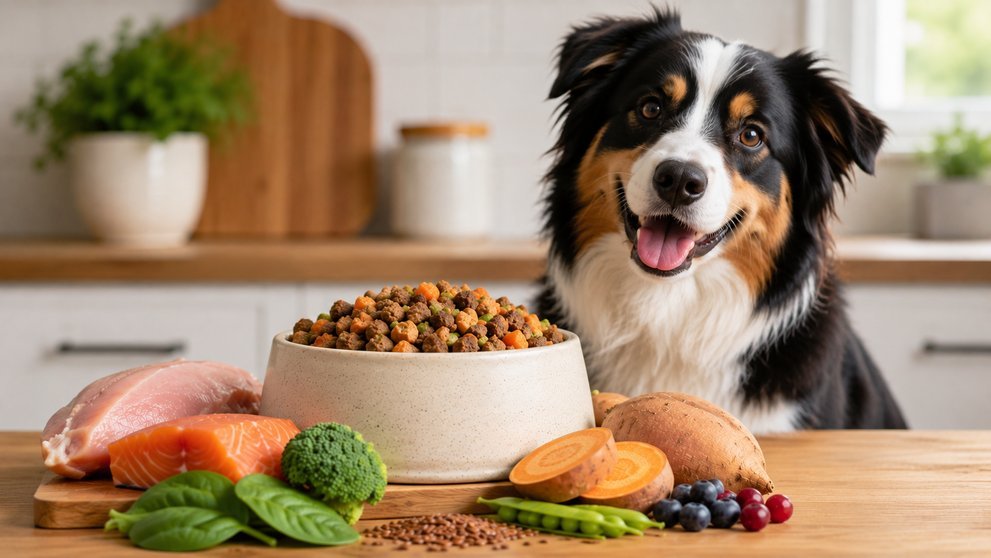
A healthy adult dog thrives on regular kibble, but specific medical conditions change what the body requires.
| Situation | What changes | What to do instead |
|---|---|---|
| Kidney failure | Phosphorus hurts kidneys | Feed low-phosphorus prescription food |
| Large breed puppy | Fast bone growth risks joints | Feed large-breed growth formula |
| Chronic pancreatitis | Fat triggers severe inflammation | Use low-fat digestive kibble |
| Food allergy | Common proteins cause itchiness | Switch to hydrolyzed protein diet |
| Obesity | Excess weight damages hips | Feed high-fiber weight-control food |
How to do it properly
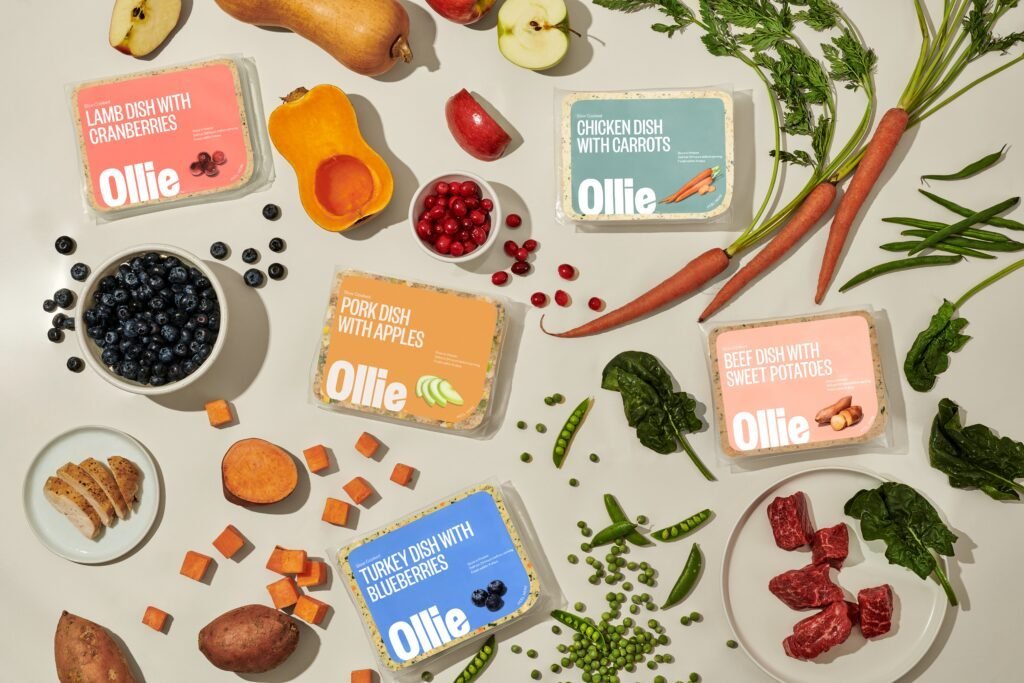
- Check the bag label for the exact phrase stating the food meets AAFCO nutritional profiles.
- Measure your dog’s daily portion using an eight-ounce measuring cup based on the back-of-bag weight chart.
- Transition to new food over seven days by mixing 25% new food with 75% old food on days one and two.
- Increase the mix to 50% new food on days three and four to let gut bacteria adapt without vomiting.
- Feed 75% new food on days five and six, watching for normal brown, firm droppings in the yard.
- Serve 100% new food on day seven if your dog shows steady energy and no stomach rumbling.
- Wash the stainless steel food bowl daily with hot water and soap to stop bacterial film growth.
The mistakes that ruin it
- Buying raw meat blends from a grocery butcher without added bone meal or vitamins leaves your dog deficient in essential calcium.
- Overfeeding by eyeballing bowl scoops causes steady weight gain that destroys your dog’s knee ligaments and adds expensive joint surgeries.
- Switching diets too quickly can cause gastrointestinal upset, potentially leading to diarrhea.
- Leaving dry kibble open to air in warm garages oxidizes healthy fats and turns the kibble rancid within four weeks.
Frequently asked questions
Is expensive dog food always better?
No. High price tags often reflect boutique marketing rather than scientific feeding trials. Many standard mid-priced brands run strict quality checks and meet every nutritional standard your pet requires.
Can bad food shorten a dog’s life?
Yes, poor food can cut years off your dog’s life. Deficiencies cause organ strain, while excess fat leads to obesity, which veterinary studies link directly to shortened lifespans and early arthritis.
Does wet food clean dog teeth?
No, wet food doesn’t clean teeth at all. It sticks to gums easily, and standard kibble also shatters too quickly to scrape off plaque; only daily brushing or approved dental chews protect teeth.
What happens if a dog eats cat food?
A single bite won’t hurt, but cat food contains far too much fat and protein for dogs. Regular feeding causes stomach pain, diarrhea, and potentially life-threatening inflammation of the pancreas within days.
Why do some dogs do well on cheap food?
Genetics play a large role in natural gut toughness. Some individual animals have robust digestive systems that allow them to remain healthy on a variety of commercial diets.
Does grain-free food protect dog hearts?
No. Grain-free foods don’t help heart health, and health agencies have investigated links between certain legume-heavy grain-free diets and canine dilated cardiomyopathy. Plain whole grains like oats and rice are completely safe for normal dogs.
Final Thoughts
Choosing the right bowl of kibble isn’t just about convenience; it’s about your companion’s long-term vitality. You don’t have to be a nutritionist to make a better choice. Check the ingredient label for high-quality proteins today, and you’ll see how a small change can help your best friend thrive for years.
Related guides